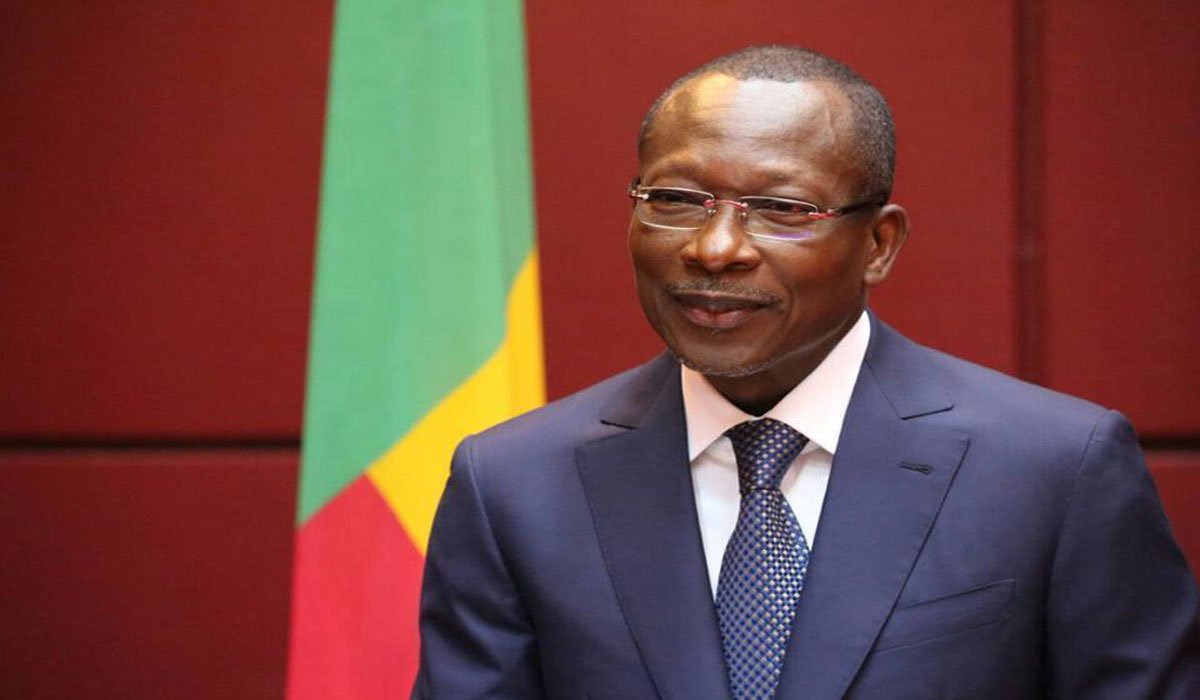
On Thursday, August 6, 2026, Benin’s political landscape underwent a historic transformation. Delegates convened at the Governor’s Palace in Porto-Novo elected former President Patrice Talon as the inaugural leader of the country’s newly established Senate, marking a bold chapter in the nation’s bicameral governance.
After a decade in the executive branch (2016–2026), the architect of the Nouveau Départ agenda has shattered the stereotype that departing the presidency equates to political retirement or exile in West Africa.
Reclaiming a central role in Benin’s institutions
The overwhelming mandate granted to Patrice Talon reflects the culmination of constitutional reforms that restructured Benin’s political framework. His election signals more than a personal milestone—it redefines institutional continuity.
- A stabilizing force: The Senate, composed of 25 members—including former heads of state as ex-officio members—was designed to serve as a pillar of national unity and democratic resilience.
- A voice of moderation: By assuming leadership of the Senate’s permanent bureau, Talon retains decisive political influence, positioning himself as a guardian of democratic balance between the executive and the National Assembly.
Can a president transition beyond the Marina Palace?
Across Africa, political narratives often revolve around prolonged mandates or abrupt exits from public life. Patrice Talon’s trajectory defies this pattern, offering a model of measured transition:
- Upholding constitutional boundaries: By stepping down after two full terms, he reinforced Benin’s tradition of peaceful leadership turnover.
- Leveraging legislative power: Rather than pursuing international roles or private ventures, he chose to institutionalize his legacy by steering the upper house of parliament.
- Shaping a statesman’s legacy: Within the Senate, where he joins other prominent figures from Benin’s history, Talon assumes the role of a stabilizing force, guiding reforms and fostering national cohesion.
Key takeaways from Patrice Talon’s Senate presidency
Patrice Talon’s election on August 6, 2026, embodies a broader shift in African governance: the recognition that former presidents can continue contributing meaningfully at the highest levels of statecraft without retaining executive authority. This development serves as a compelling case study for neighboring nations navigating institutional evolution.