security chaos fuels Rwanda’s hidden agenda in eastern dr Congo
While the government of the Democratic Republic of the Congo claims to have finalized a protocol with the Rwanda-backed Democratic Forces for the Liberation of Rwanda (FDLR) for disarmament, demobilization, and cantonment of rebel fighters in eastern DRC, Kigali has dismissed the initiative as a mere stalling tactic. The longstanding dispute between Kinshasa and Kigali over the FDLR—some of whose members are accused of involvement in Rwanda’s 1994 genocide—remains unresolved. Kigali continues to view the group as an ongoing threat, a justification it uses to justify its military presence in eastern DRC alongside the M23 rebel alliance.
The agreements signed last year in Washington mandated Rwanda’s troop withdrawal, with Kinshasa pledging to neutralize the FDLR. Yet today, the stark contrast between the two nations’ commitments raises critical questions. Why does Kigali continue to reject diplomatic avenues while maintaining its military operations?
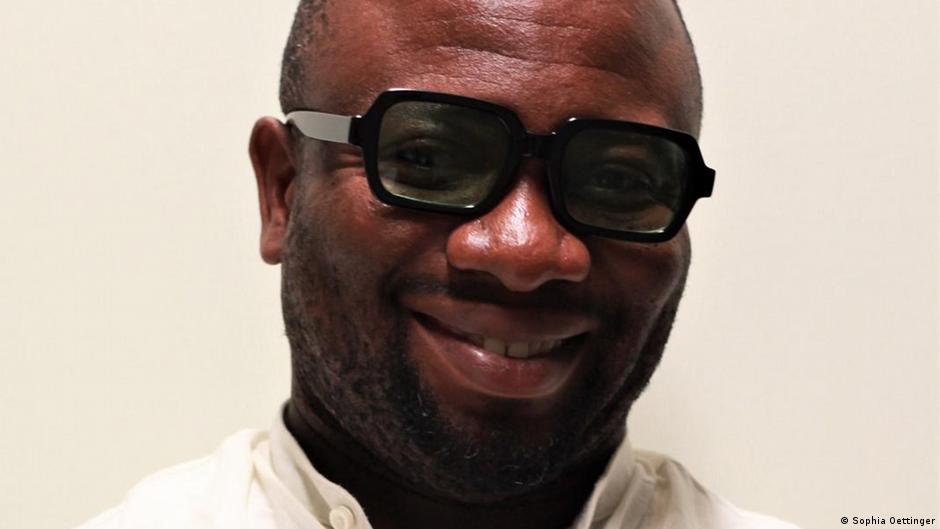
Insights from Josaphat Musamba, a PhD researcher at Ghent University in Belgium
Josaphat Musamba: Kigali has flatly rejected the sensitization process and rejected any form of persuasion. I believe Kigali is acting in bad faith. What are its true intentions? Despite its military presence in eastern DRC, I argue that this status quo serves Kigali’s interests and that it seeks to reinforce it. Kigali’s geostrategic ambitions in eastern DRC remain opaque.
Question: What is the true reality behind the FDLR’s presence in eastern DRC, and what lies beneath it?
Josaphat Musamba: While Kigali and the M23 alliance claim the FDLR are integrated into the DRC’s armed forces—a claim without factual basis—I argue that neither the M23 nor Rwanda’s Defence Forces (RDF) have succeeded in fully neutralizing the FDLR within their zones of control. This persistent insecurity, I contend, aligns with Kigali’s broader geopolitical agenda. By destabilizing eastern DRC’s administrative structures, Rwanda extends its influence across this critical region.
Question: Does Kigali’s rejection of the Kinshasa-FDLR protocol indicate that the group will never be dismantled, preventing lasting peace between Rwanda and the DRC?
Josaphat Musamba: I maintain that Kigali’s objections lack factual grounding. The DRC has opted for dialogue-driven persuasion with the FDLR rather than confrontation, a contextual approach that prioritizes stability. While countering RDF and M23 advances, Kinshasa cannot afford to open additional fronts against the FDLR. If dialogue can persuade this group to disarm, the armed factions may fade—but not their underlying ideology. The FDLR’s resistance isn’t genocidal as Kigali alleges; it’s a struggle against the Kigali regime itself.