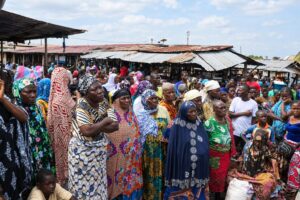
The social fabric of Senegal is increasingly strained as citizens voice mounting frustrations over economic hardships and administrative hurdles. In urban centers and rural communities alike, families struggle with soaring living costs, particularly housing expenses, while access to essential services remains inconsistent. Bureaucratic delays further exacerbate daily challenges, fueling widespread discontent among the population.
Young people, in particular, express growing concerns about limited economic opportunities, with many questioning whether current policies can address their aspirations for stable employment and improved livelihoods. Analysts warn that if structural reforms are not implemented swiftly, this disconnect between citizens and policymakers could deepen, undermining national cohesion.
Political maneuvering overshadows pressing social issues
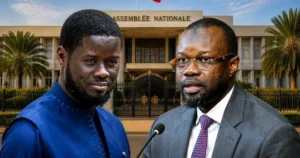
The political arena has become a focal point of national discourse, with President Bassirou Diomaye Faye and Prime Minister Ousmane Sonko—key figures in the current administration—under intense scrutiny. Their leadership is analyzed from institutional and strategic perspectives, especially as the country prepares for upcoming electoral milestones. While their actions are closely monitored, some observers argue that political alliances and power consolidation efforts are receiving disproportionate attention, diverting focus from urgent socioeconomic needs.
Critics highlight a disconnect between political priorities and the immediate concerns of ordinary citizens. As debates intensify, questions arise about whether the government’s agenda aligns with the realities faced by communities grappling with unemployment, rising prices, and inadequate public services.
Environmental and urban challenges add to the complexity
Beyond political and economic tensions, environmental and urban planning issues are gaining prominence in public discussions. Locations like the Parc de Hann symbolize broader challenges such as rapid urbanization, demographic pressures, and the need for sustainable resource management. Preserving green spaces and ensuring livable cities have become critical talking points, reflecting a society seeking balance between development and environmental stewardship.
Many citizens emphasize the need for a national shift toward foundational social priorities. Priorities such as efficient public services, job creation, and improved living conditions top the list of expectations. The prevailing sentiment underscores a call for tangible action rather than political posturing, with hopes that leaders will prioritize solutions over rhetoric.
Balancing political dynamics and social needs
The path forward for Senegal hinges on bridging the gap between political decision-making and grassroots demands. With public trust in institutions waning, analysts stress the importance of transparent governance and responsive policies to restore confidence. The ability to reconcile these competing pressures will determine whether the country can achieve lasting stability and inclusive growth.