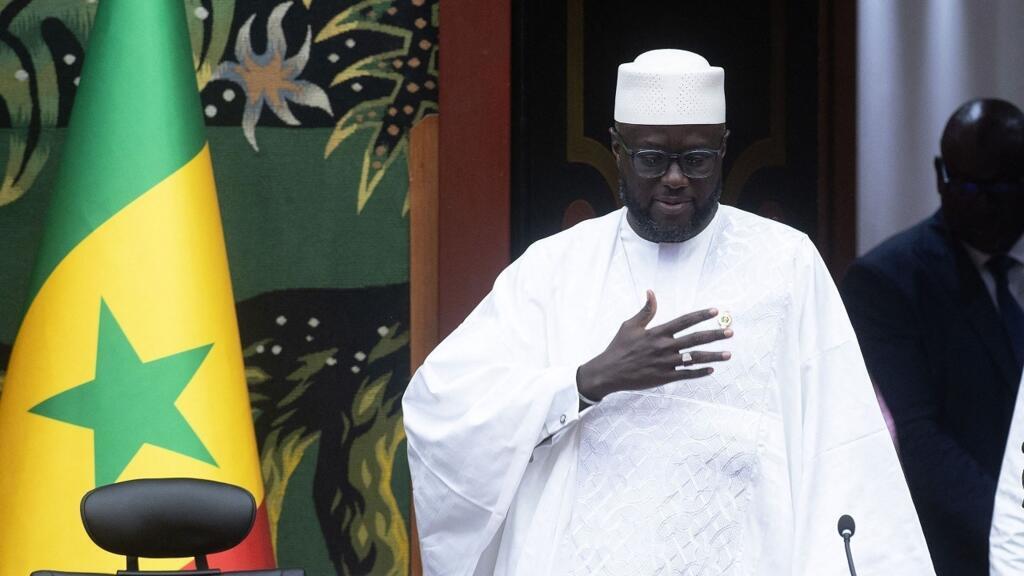
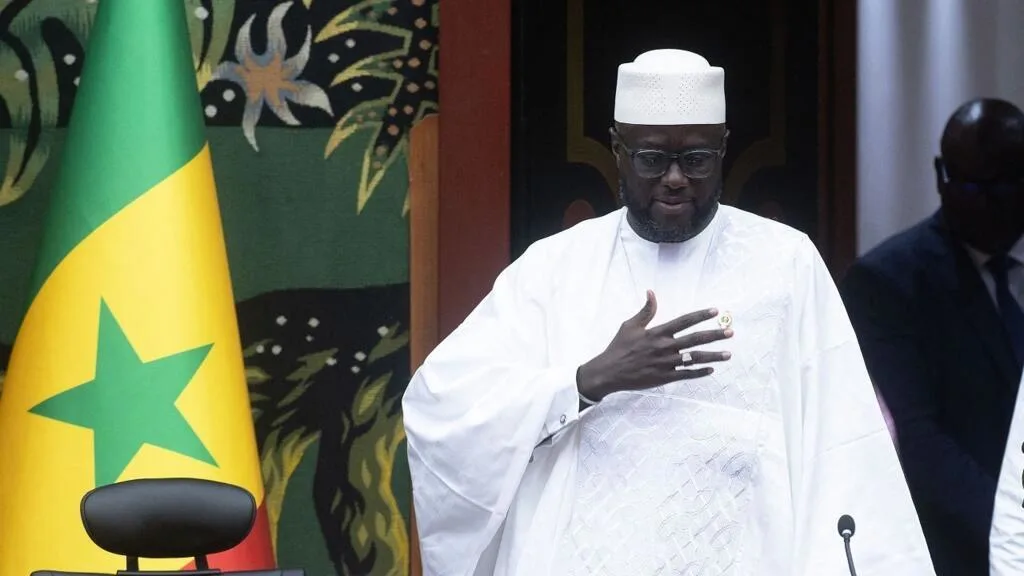
In a stunning turn of events, the political landscape of Senegal has been upended with the announcement of Malick Ndiaye’s resignation from his role as President of the National Assembly. The decision, made public through a social media statement, marks a significant moment in the country’s ongoing political narrative.
The outgoing president cited deep personal reflection and a commitment to institutional integrity as the driving forces behind his choice. In his message, Ndiaye emphasized that his resignation stems from a profound sense of responsibility toward the nation and its democratic institutions. “After careful consideration and guided by the values of service and national interest, I have decided to step down from my position as President of the National Assembly of Senegal,” he stated, underscoring the weight of his decision.
Political context behind the resignation
This abrupt departure comes on the heels of a major political rift that has sent shockwaves through Dakar. Less than 48 hours prior to Ndiaye’s announcement, President Bassirou Diomaye Faye made the decision to remove Prime Minister Ousmane Sonko from his post, citing irreconcilable differences in governance approaches. The move triggered a cascade of changes, culminating in the dismissal of the entire government.
Ndiaye’s close ties to Sonko, a prominent opposition figure, have long positioned him as a key player in the country’s political dynamics. His resignation adds another layer of complexity to an already turbulent period for Senegal.
What’s next for Senegal?
As the dust settles on this political upheaval, questions arise about the future direction of the nation. With institutional roles shifting rapidly, the coming days will likely reveal how these changes will impact governance and public sentiment. Observers are closely monitoring the situation, anticipating further developments in the wake of this dramatic shift.