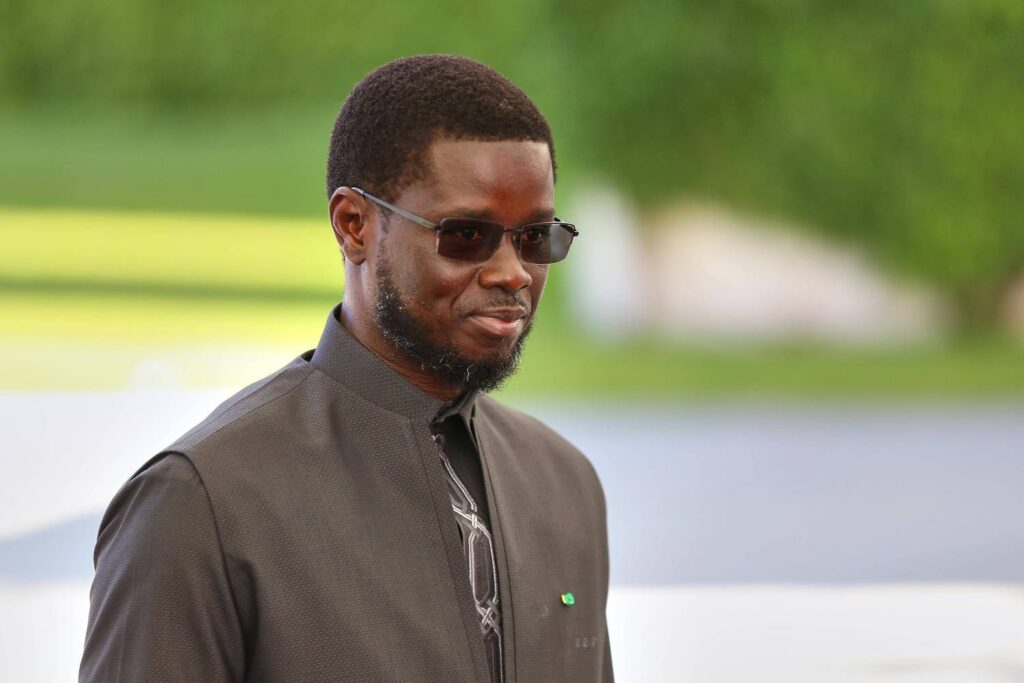
The President of Senegal and current Chair of the Economic Community of West African States (ECOWAS) is paying a critical visit to Mali today. Despite deep political differences, both nations are prioritizing regional solidarity to counter the escalating terrorist threat gripping the Sahel.
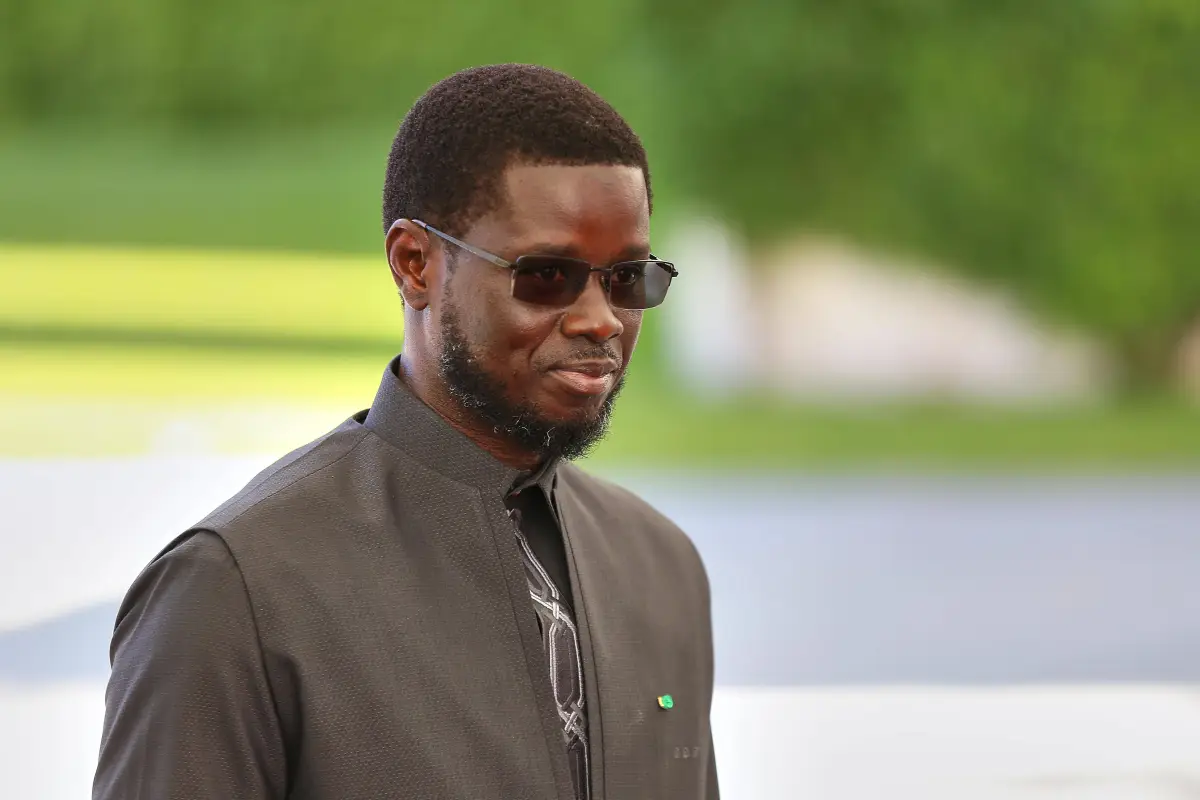
Elected in 2024, Bassirou Diomaye Faye made his first regional tour as Senegal’s leader with a stop in Mali, weeks after taking office. Two years later, he returns as ECOWAS Chair to Bamako, where he will meet transitional President Assimi Goïta. The agenda centers on forging a unified strategy against the spreading violence in the Sahel, even as diplomatic tensions persist between Dakar and Bamako.
Regional security takes precedence over political disputes
The visit underscores a pragmatic shift in West African diplomacy. While Senegal and Mali maintain opposing stances on governance and regional alliances, both governments acknowledge that security cooperation cannot wait. With armed groups intensifying attacks across the Sahel, the two leaders are expected to explore concrete measures to enhance intelligence sharing and military coordination.
Breaking down barriers to counter terrorism
Behind the scenes, diplomats have been working to bridge divides that have strained relations in recent years. The meeting in Bamako represents an opportunity to reset the dialogue, focusing on mutual interests rather than ideological differences. Key discussions are likely to include border security, counter-radicalization efforts, and the role of international partners in supporting regional forces.
The timing is critical. The Sahel’s security crisis has reached unprecedented levels, with civilian casualties rising and displaced populations growing. Both nations recognize that isolated approaches have proven ineffective, making this high-level engagement a necessity to stabilize the region.
As the threat of terrorism evolves, so too must the response from West Africa’s leadership. This visit sends a clear signal: when faced with existential challenges, regional solidarity must prevail over political disagreements.
Related topics