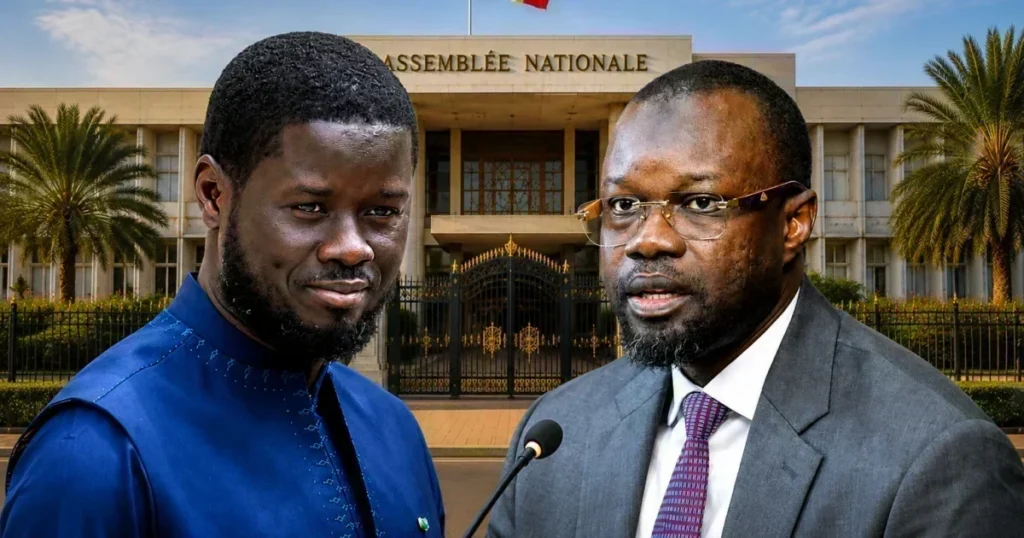
A significant political rift has developed in Senegal, marking a clear separation between President Bassirou Diomaye Faye and his erstwhile political associate, Ousmane Sonko. This evolving dynamic has fueled considerable speculation, particularly from Sonko’s political faction, which now voices strong suspicions regarding the integrity of the upcoming electoral calendar.
The core of these growing concerns centers on the local elections, which are firmly slated for January 2027. Following President Faye’s recent strategic move to establish his own distinct political party, observers within Sonko’s camp are increasingly questioning the President’s intentions. They allege that the Head of State may be considering a postponement of these crucial local polls, a development that would significantly impact West Africa news.
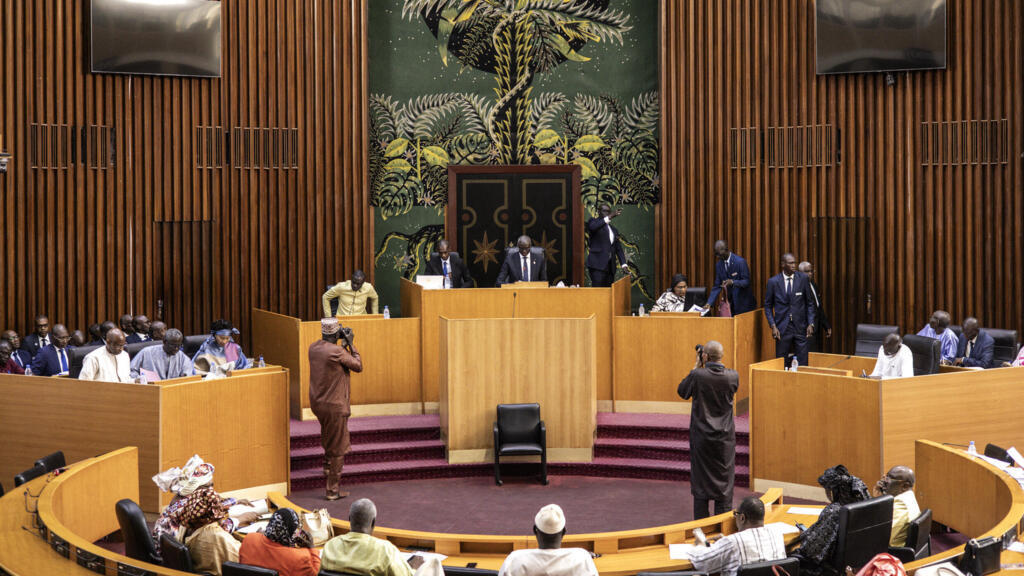
The emergence of these strong suspicions naturally prompts a deeper examination into their validity. Analysts of African politics are keenly observing the situation, pondering the strategic advantages, if any, that President Faye might gain from disrupting the established electoral schedule. A potential Senegal local elections delay could be perceived as an effort to consolidate power, allowing his newly formed party more time to build grassroots support and establish its presence across the nation before facing voters at the local level. Such a move would undoubtedly reshape the dynamics of domestic political competition.
Conversely, maintaining the current timeline would demonstrate adherence to democratic principles and potentially alleviate fears of political maneuvering. The unfolding narrative in Dakar is closely watched, as the nation navigates this period of political realignment and electoral anticipation. The ultimate decision regarding the January 2027 local elections will have profound implications for Senegal’s democratic future and its standing in the broader pan-African political landscape.