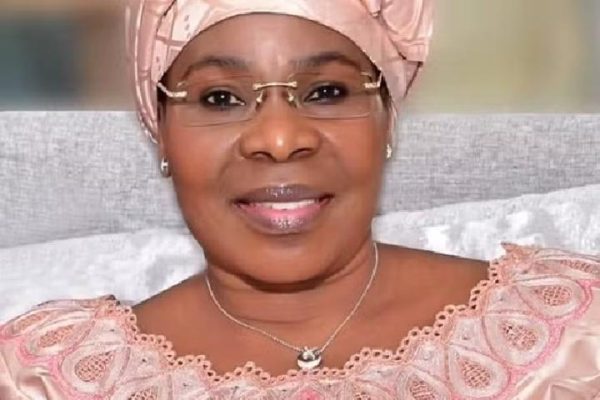
Since July 27, 2026, the former Togolese Defence Minister has refused all food to protest the harsh conditions of her detention. Eleven months after her arrest for criticising President Faure Gnassingbé’s governance, she now embodies the struggle of over sixty political prisoners still held in Togolese jails.
On August 30, 2025, as protests erupted in Lomé over rising living costs and a controversial constitutional reform that shifted Togo from a presidential to a parliamentary system, Essozimna Marguerite Gnakadé took to the streets. The first woman to serve as Togo’s Defence Minister between 2020 and 2022, she was swiftly identified by security forces and briefly sent home. Weeks later, on September 17, 2025, she was arrested for publicly questioning President Gnassingbé’s fitness to lead the country.
From power to prisoner: a voice for Togo’s detained dissenters
Marguerite Gnakadé’s background set her apart long before her imprisonment. Appointed Defence Minister in October 2020 without a military background, she was also the widow of Ernest Gnassingbé, the late brother of the current president. Despite her ties to the ruling elite, her decision to side with the protest movement rather than oppose it sealed her fate.
« This hunger strike is not born of despair, but of conviction. When justice remains silent, our bodies become the last voice that can be heard. »
Statement from a collective of hunger-striking political detainees, November 2025
Desperate measures in the face of inhumane prison conditions
Gnakadé’s protest is not an isolated act. For over a year, hunger strikes have emerged as one of the few remaining tools for Togolese political prisoners to demand change. In November 2025, thirty-seven detainees launched a collective fast. The following month, activist Grâce Koumayi and dual-national Abdoul Aziz Goma endured fifty days without food at Lomé’s civil prison, forcing authorities to respond. Human rights groups have since urged immediate medical care for all hunger strikers.
What future for former regime insiders behind bars?
Marguerite Gnakadé’s case is often linked to those of Kpatcha Gnassingbé and General Félix Kadanga—two former regime figures with drastically different fates. Kpatcha Gnassingbé, half-brother of the president and former Defence Minister, spent sixteen years in prison after a coup attempt conviction before being released in late December 2025 under a presidential pardon.
General Félix Kadanga, former Chief of Staff, has been serving a twenty-year sentence since 2023 for complicity in a colonel’s murder. Unlike them, Gnakadé remains imprisoned solely for exercising her right to political expression.
A nation gripped by tension after constitutional reform
Since March 2024, when Togo adopted a new constitution converting its presidential system into a parliamentary one, President Gnassingbé has ruled as head of the Council of Ministers—now without term limits. The opposition branded the reform a « constitutional coup, » fueling the 2025 youth-led protests. Authorities responded with a heavy crackdown, leading to the arrests that produced most of today’s « opinion prisoners. »
In late December 2025, a presidential pardon freed 1,511 detainees, hailed as a conciliatory gesture. Civil society groups, however, estimate that around seventy political prisoners remain behind bars.
NGOs rally to demand freedom for Togo’s detained voices
The push for the release of Togolese political prisoners continues, led by groups like the « Don’t Touch My Constitution » coalition and opposition parties. They report that at least nine detainees have died in custody since the crackdown began, with others suffering lasting injuries from abuse. Their demands include the immediate, unconditional release of all political prisoners and urgent medical attention for hunger strikers like Gnakadé, whose health has deteriorated after eleven months in detention.