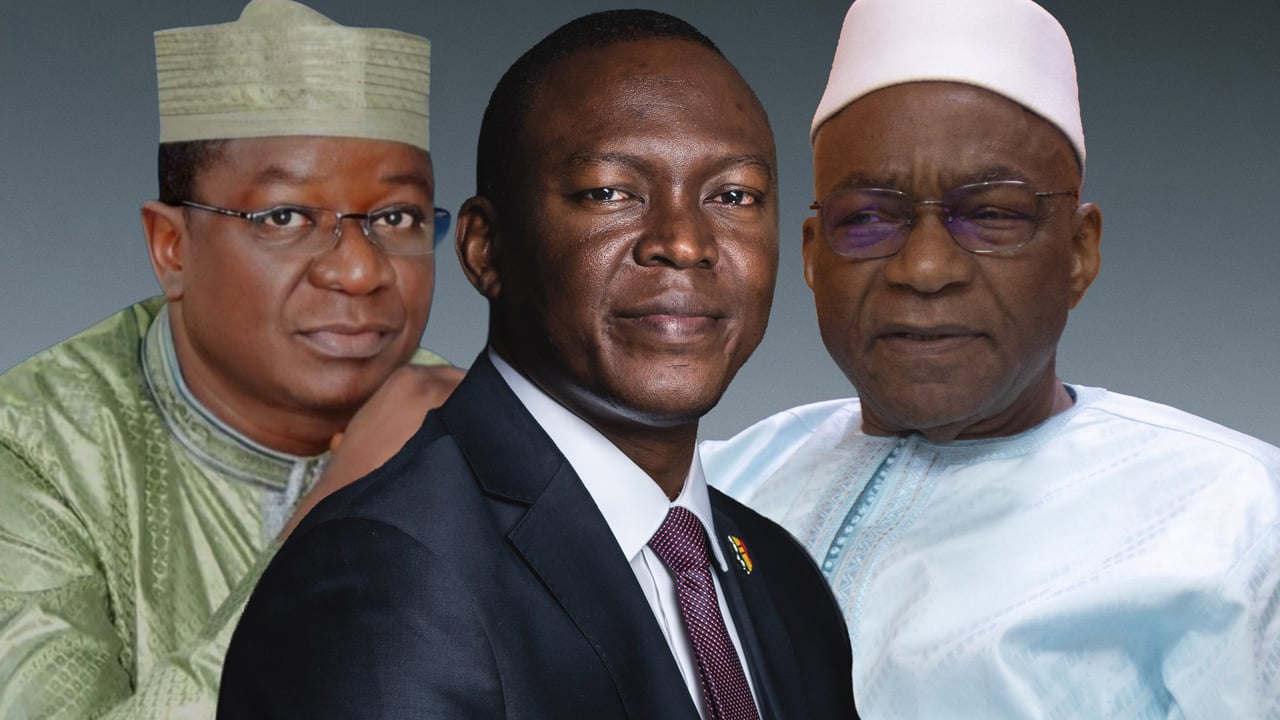

Chad stands at a critical crossroads as political repression intensifies and internal rifts deepen within opposition ranks, leaving key figures like Albert Pahimi Padacké, Succès Masra, and Saleh Kebzabo struggling to challenge the dominance of Mahamat Idriss Déby Itno.
Repression tightens its grip on Chad’s political landscape
Since seizing power in 2021 following his father’s death, Mahamat Idriss Déby Itno has systematically dismantled dissent. Security forces have cracked down on protests, opposition meetings face abrupt cancellations under vague pretexts, and vocal critics frequently vanish into detention without formal charges. The government justifies these actions under the guise of national security, but critics argue they serve to silence legitimate political competition ahead of upcoming elections.
Media and civil society under siege
Independent journalists now operate in a climate of fear, with publications critical of the regime routinely banned or confiscated. Civil society organisations that once provided a platform for opposition voices have been labelled subversive and stripped of their legal status. Even digital activism is monitored, with social media platforms periodically restricted during periods of heightened tension.
Opposition factions: unity remains elusive
The opposition’s inability to present a united front has further weakened its position. Once-prominent leaders like Saleh Kebzabo and Succès Masra have found themselves at odds over strategy and leadership, while Albert Pahimi Padacké’s alliances shift unpredictably. These divisions have prevented the formation of a cohesive alternative to Déby’s transitional government, leaving voters with limited credible choices.
Key opposition figures and their shifting alliances
- Saleh Kebzabo: A veteran politician whose party, the National Union for Democracy and Renewal (UNDR), has faced repeated harassment. Kebzabo’s calls for dialogue are often undermined by younger, more radical factions within the opposition.
- Succès Masra: Leader of the Transformers party, Masra’s bold rhetoric resonates with youth but has triggered harsh reprisals, including a brutal crackdown on his supporters during a 2022 protest that left dozens dead.
- Albert Pahimi Padacké: A former prime minister who briefly joined the transitional government before resigning, his shifting loyalties have eroded trust among both allies and adversaries.
Election looms with opposition voices muted
With Chad’s electoral calendar shrouded in uncertainty, the opposition’s lack of coordination and persistent repression paint a grim picture. International observers have expressed concerns over the fairness of the process, while Déby’s government insists it remains committed to an inclusive transition. Yet, the absence of a level playing field—marked by arrests, media blackouts, and restricted campaigning—raises serious doubts about the legitimacy of any future vote.
As Chad navigates this turbulent period, the opposition’s future hangs in the balance. Without unity and under mounting pressure, its ability to challenge the status quo grows increasingly fragile.