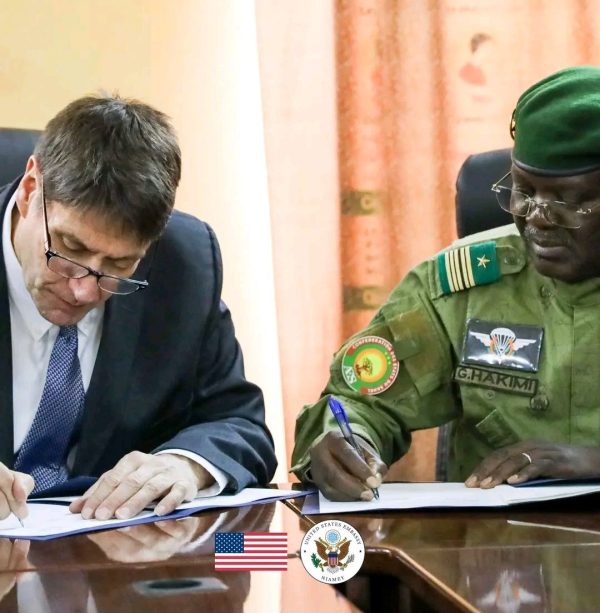
When the government of Niger and the United States inked a health cooperation protocol in Niamey on February 26, 2026, the financial scale of the agreement—178 million USD (approximately 99.6 billion XOF)—immediately commanded attention. Yet beneath the impressive figures lies a complex web of questions about public health priorities, national budget commitments, and the long-term implications of foreign partnerships. At the heart of this bilateral health initiative is a clear mandate: combat malaria, strengthen infectious disease surveillance, prevent polio outbreaks, and improve maternal and child health outcomes. These goals align…
Read MoreMonth: March 2026
1,1 milliard d’euros pour le Niger, Burkina et la RDC : le plan sanitaire des USA pour l’Afrique poursuit sa vague d’adhésion
1,1 milliard d’euros pour le Niger, Burkina et la RDC : le plan sanitaire des USA pour l’Afrique poursuit sa vague d’adhésion Muriel EDJO, Agence Ecofin Ces conventions visent le renforcement des capacités de la RDC et du Burkina Faso à répondre aux menaces sanitaires avant qu’elles se propagent hors de leurs territoires. DR By Aïcha Abdou — Senior correspondent
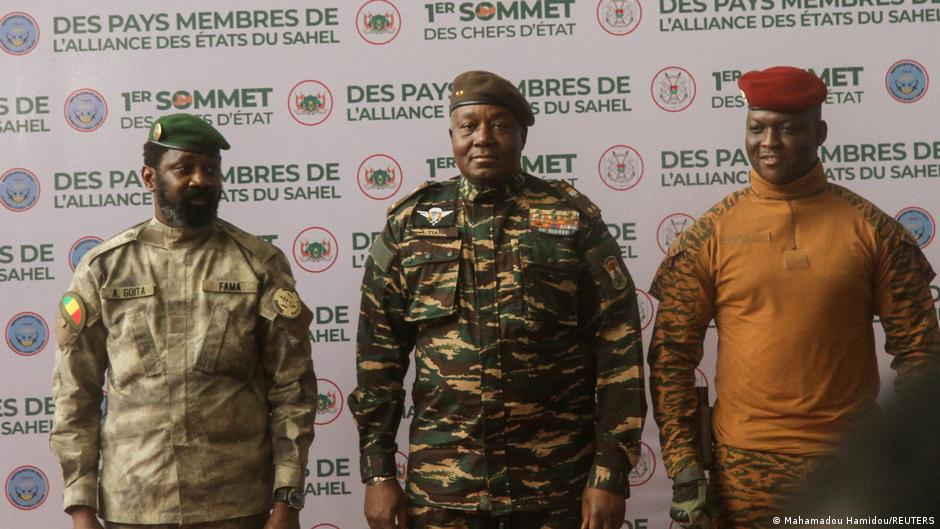
Read MoreWestern powers shift strategies in Sahel amid rising tensions
The European Union and the United States are recalibrating their engagement with Sahel nations, signaling a shift in diplomatic and economic strategies. Recent developments—including a five-year bilateral agreement between the U.S. and Burkina Faso, and diplomatic overtures from the EU’s special envoy to Mali—highlight a nuanced approach to an increasingly complex regional landscape. diplomatic overtures and financial commitments Washington’s recent actions underscore a pragmatic recalibration. On February 25, the U.S. State Department finalized a $147 million agreement with Burkina Faso, prioritizing HIV/AIDS treatment and broader health initiatives. Concurrently, U.S. officials…
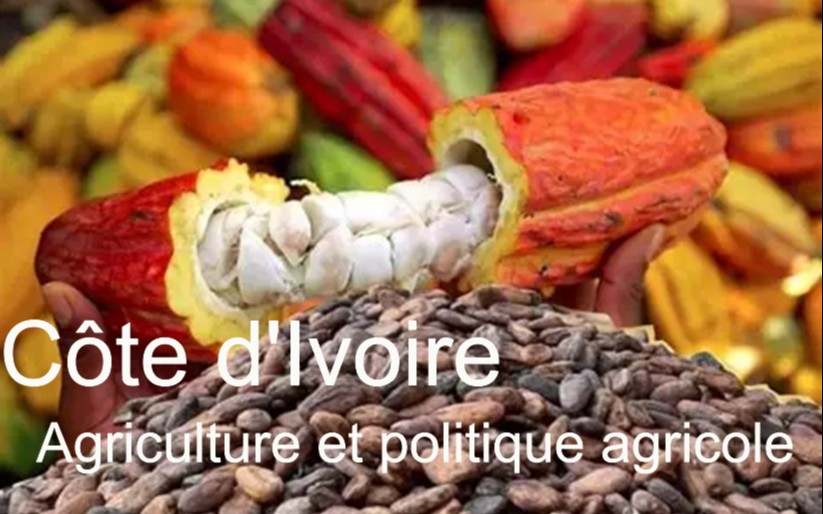
Read MoreCôte d’Ivoire’s agriculture and farming policies explained
article Côte d’Ivoire’s agriculture and farming policies explained Côte d’Ivoire stands out as one of West Africa’s most vibrant economies, with agriculture serving as its backbone since independence. While the agricultural sector accounted for nearly 50% of the GDP at that time, its share has since declined to 15.9% in 2024. Despite this shift, agriculture remains the primary employer, engaging 46% of the workforce directly. The country’s trade surplus is heavily reliant on agricultural products, which constituted 51.5% of exports in 2025. Poverty rates are significantly higher in rural areas,…
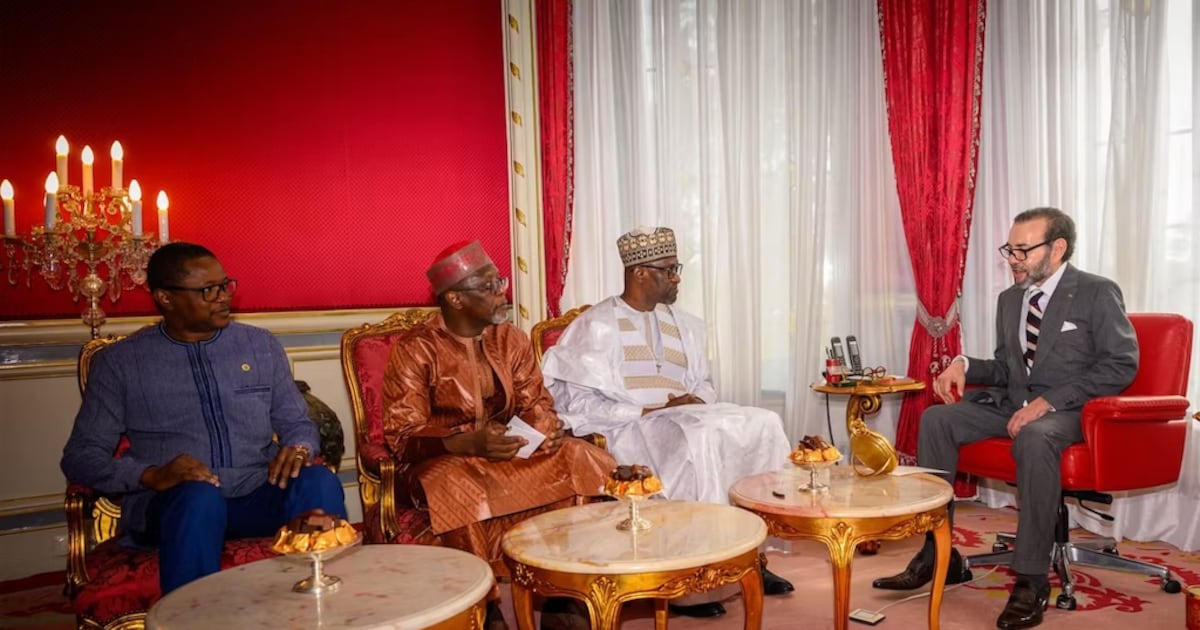
Read MoreRegional powers vie for influence in the Sahel
The Sahel region, a vast geographical expanse stretching from Mali to Chad, hardly presents itself as an economic haven. Far from being a new Singapore for foreign direct investment, nations like Mali, Burkina Faso, and Niger grapple with significant economic challenges. Mali, for instance, faces a demographic reality where 47% of its 25.9 million citizens are under 15, with only 25% of its land being arable. Ranking 188th out of 193 countries on the Human Development Index, Mali also sees nearly 45% of its population living below the poverty line.…
Read More