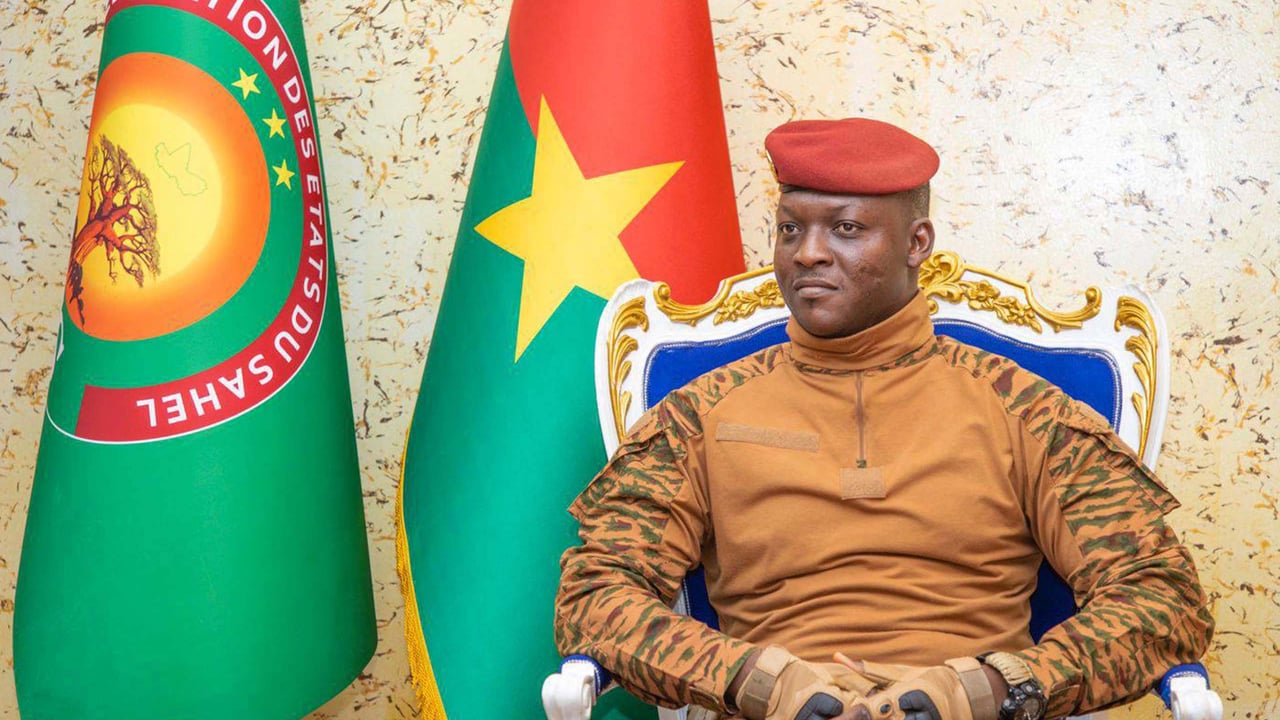

In the heart of Ouagadougou, Burkina Faso’s capital, a controversy is unfolding that has sent shockwaves through the nation’s media landscape. Reports have emerged accusing transitional leader Ibrahim Traoré of orchestrating a digital militia specifically designed to silence critical voices, particularly those of journalists who dare to challenge the status quo.
This alleged online harassment network, described by international observers as a coordinated effort, targets reporters through a barrage of coordinated attacks on social media platforms. These actions have raised serious concerns about the erosion of press freedom in a country already grappling with political turbulence and security challenges.
How the digital campaign operates
The online harassment infrastructure, according to detailed investigations, functions through a blend of automated bots and human operatives. These entities work in tandem to flood digital spaces with discrediting narratives, often leveraging trending hashtags to amplify their reach. Journalists covering sensitive topics—such as human rights abuses or corruption within transitional governance—find themselves at the epicenter of these coordinated smear campaigns.
The tactics employed are not merely random; they are strategic. Accounts linked to this network systematically publish defamatory content, share misleading information, and engage in coordinated downvoting to suppress dissenting voices. The goal appears clear: to instill fear, discredit reputable reporters, and ultimately control the narrative surrounding Burkina Faso’s political transition.
Reactions from media defenders
Press freedom advocates have swiftly condemned the alleged campaign, labeling it a brazen assault on democratic values. Human rights organizations and journalists’ unions have called for urgent investigations, stressing that such actions violate Burkina Faso’s constitutional guarantees of free expression and press freedom.
Prominent media houses and independent reporters have reported an uptick in cyberbullying and smear campaigns since the emergence of these allegations. Many describe the situation as a full-blown crackdown on dissent, with journalists facing not only digital harassment but also threats of legal reprisals for their work.
International bodies monitoring press freedom have echoed these concerns. In a recent statement, they highlighted Burkina Faso’s deteriorating media environment, urging authorities to take immediate action to protect journalists and uphold democratic principles.
What’s next for Burkina Faso’s press?
As the debate intensifies, the future of journalism in Burkina Faso hangs in the balance. Will the transitional government address these serious allegations, or will the digital clampdown on dissent continue unchecked? The coming weeks may hold critical answers.
One thing remains certain: the international community is watching closely. The actions taken—or not taken—by Burkina Faso’s leadership in the face of these accusations will shape perceptions of the country’s commitment to democracy and human rights for years to come.