Togo strengthens ties with Russia and Africa Corps amid rising jihadist threats
Lomé has quietly expanded its security partnerships in recent years, forging discreet but strategic alliances to counter the growing influence of jihadist factions across the Sahel. With the support of external actors, Togo is reshaping its defense strategy to protect its northern borders and vital national interests.

Turkey’s rising role in Togo’s counterterrorism efforts
The search for aerial support and military assistance has led Lomé to deepen its cooperation with Ankara. Over the past decade, Togo has relied on Turkish expertise to enhance its surveillance capabilities and strengthen its defense infrastructure in the northern regions, where jihadist groups have intensified their activities.
Russia’s Africa Corps and Togo’s shifting security landscape
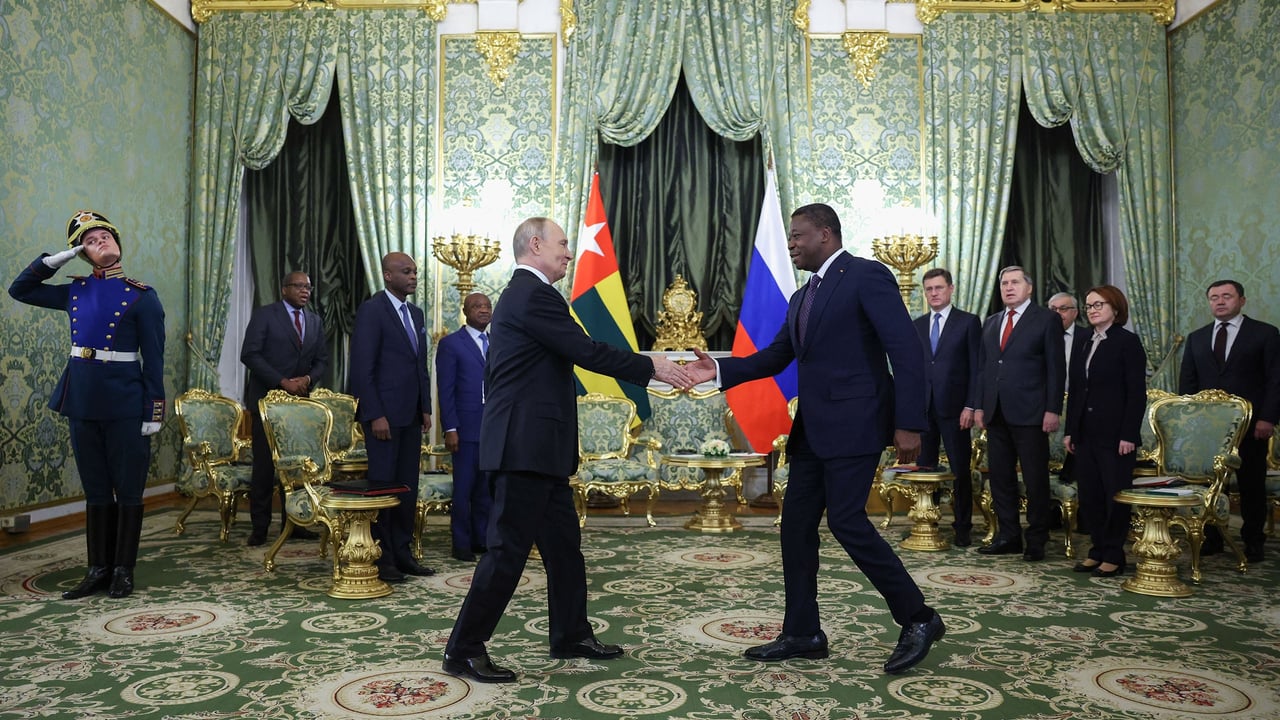
Since 2025, Russia’s Africa Corps has emerged as a key player in West Africa’s security dynamics. Togo’s engagement with Moscow reflects a broader trend among coastal nations seeking to diversify their defense partnerships. Military advisors and specialized units have reportedly been deployed to support Lomé’s counterterrorism operations, marking a significant shift in the country’s foreign policy approach.
Faure Gnassingbé’s strategic balancing act
Under President Faure Gnassingbé’s leadership, Togo has adopted a pragmatic approach to regional security challenges. While maintaining strong ties with traditional partners, such as France, the Togolese government has quietly expanded its network of allies to include non-Western actors. This balanced strategy aims to secure additional military resources and intelligence-sharing mechanisms to address the evolving threat posed by armed groups in the Sahel.
Military cooperation in practice
- Deployment of Turkish drones for border surveillance and reconnaissance missions.
- Russian military advisors providing training and logistical support to Togolese forces.
- Joint exercises with Africa Corps units to enhance interoperability and combat readiness.
Challenges and regional implications
The growing presence of foreign military actors in Togo raises questions about long-term regional stability. While these partnerships offer immediate security benefits, they also introduce new geopolitical complexities. Neighboring countries are closely monitoring Lomé’s evolving alliances, as the Sahel continues to grapple with persistent insurgencies and shifting power dynamics.
As Togo navigates this delicate balance, its strategic decisions will likely influence the broader security architecture of West Africa. The country’s ability to integrate external military support while maintaining regional trust will be critical in shaping its future defense posture.