Togo’s evolving security strategy: partnerships with Russia and Africa Corps gain momentum
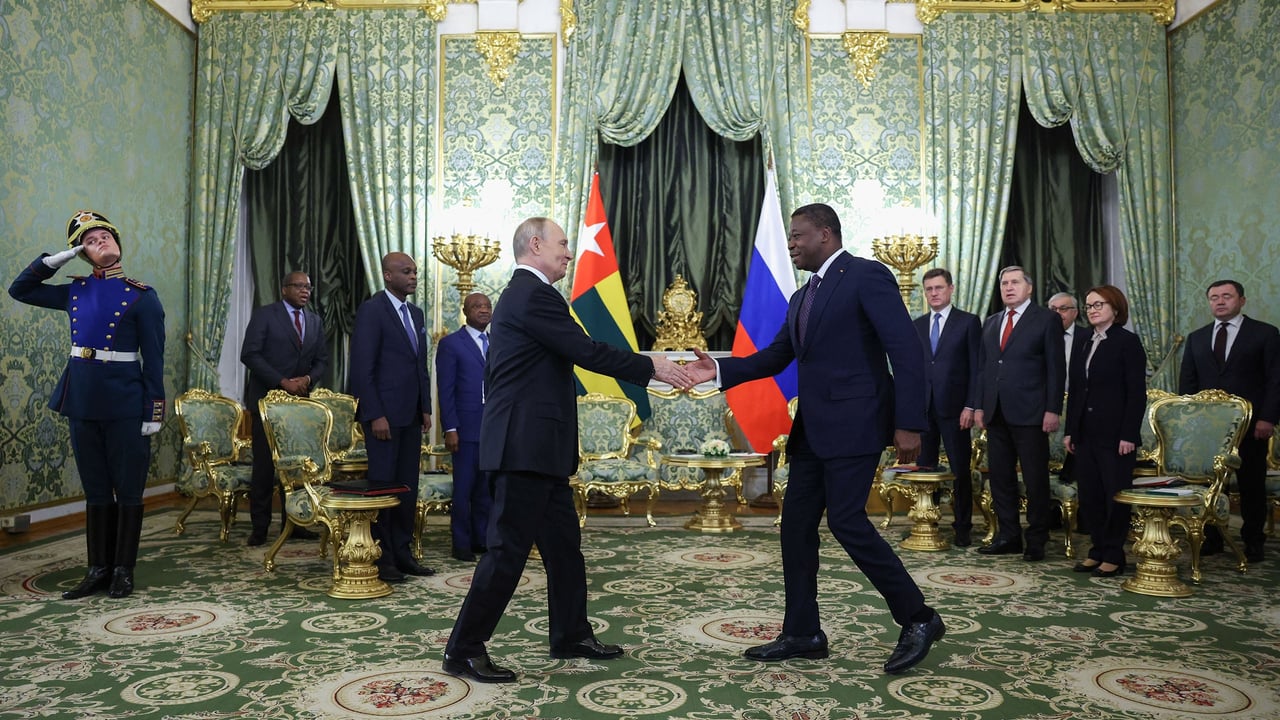
Lomé is quietly reshaping its defense and security alliances to counter the persistent threat posed by jihadist groups operating across the Sahel. Behind the scenes, the Togolese government has quietly forged strategic partnerships with international actors, including Russia and its Africa Corps, as well as Turkey. These collaborations mark a significant shift in Togo’s approach to regional stability, blending military cooperation with covert operations.
From clandestine operations to public defense agreements
The Togolese capital has long been a silent player in the Sahel’s shadow wars, deploying its own elite units to monitor and disrupt jihadist movements near its northern borders. However, recent years have seen a marked escalation in external engagements:
- Turkish support: Tactical aerial assistance and specialized training for Togolese forces have been quietly provided, enhancing the country’s counterinsurgency capabilities.
- Russian Africa Corps presence: Since 2025, Moscow has intensified its involvement, offering logistical aid, intelligence sharing, and potentially combat-ready personnel to bolster Togo’s defenses.
- Expanded regional cooperation: Lomé has also deepened coordination with neighboring West African states, reinforcing border security and intelligence networks.
Why Togo is turning to Moscow and Ankara
The government’s pivot toward these alliances reflects growing concerns over the transnational nature of Sahel-based extremist networks. With Burkina Faso and Niger facing prolonged instability, Togo finds itself in a precarious position—sandwiched between active conflict zones and vulnerable to spillover violence.
Key motivations behind the partnerships include:
- Counterterrorism expertise: Russia’s Africa Corps, with its experience in asymmetric warfare, provides a model Togo hopes to emulate locally.
- Arms and equipment: Enhanced access to modern weaponry and surveillance technology has strengthened Lomé’s ability to monitor and respond to threats.
- Geopolitical leverage: By diversifying alliances, Togo reduces reliance on traditional Western partners, positioning itself as a key player in West Africa’s evolving security architecture.
Controversies and public perception
The covert nature of these agreements has sparked debate domestically. Critics question the transparency of deals with Moscow and Ankara, while supporters argue that pragmatic security partnerships are necessary to prevent the Sahel’s chaos from engulfing Togo. Publicly, the government remains tight-lipped, though whispers of foreign military advisors and joint exercises have begun to surface.
What’s next for Togo’s security strategy?
As jihadist factions regroup and new threats emerge, Lomé is expected to further solidify its partnerships. Potential developments include:
- Expanded military training for Togolese special forces by Russian and Turkish instructors.
- Joint counterterrorism operations involving Togolese, Burkinabé, and Nigerien units, with Russian logistical support.
- Strategic infrastructure projects, such as fortified border outposts and intelligence-sharing hubs.
The coming months will reveal whether these alliances can deliver lasting stability—or if they will merely shift the battleground without resolving the root causes of violence.