Mali war crimes report: a breakthrough moment as Amnesty International forces accountability onto the agenda
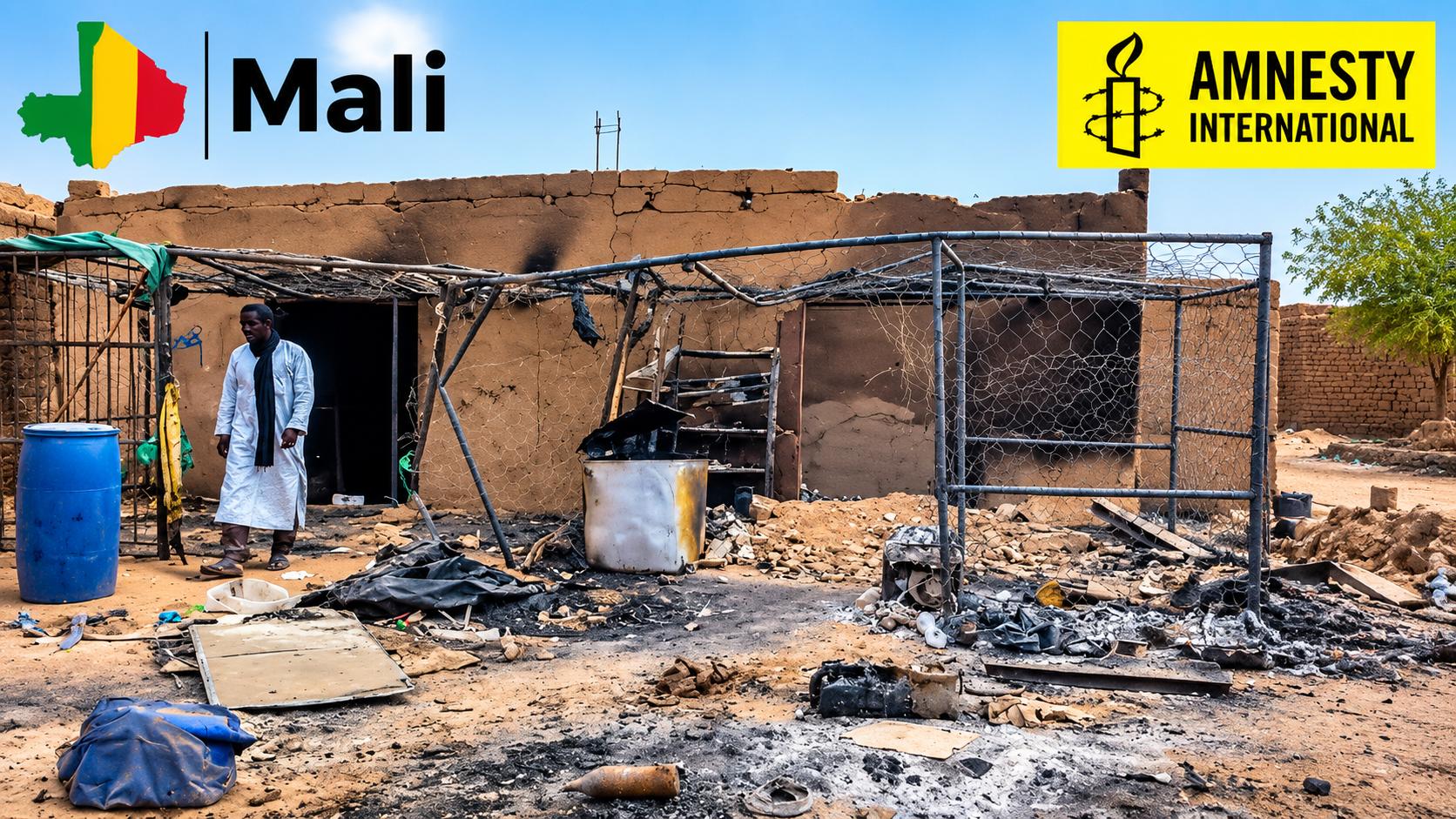
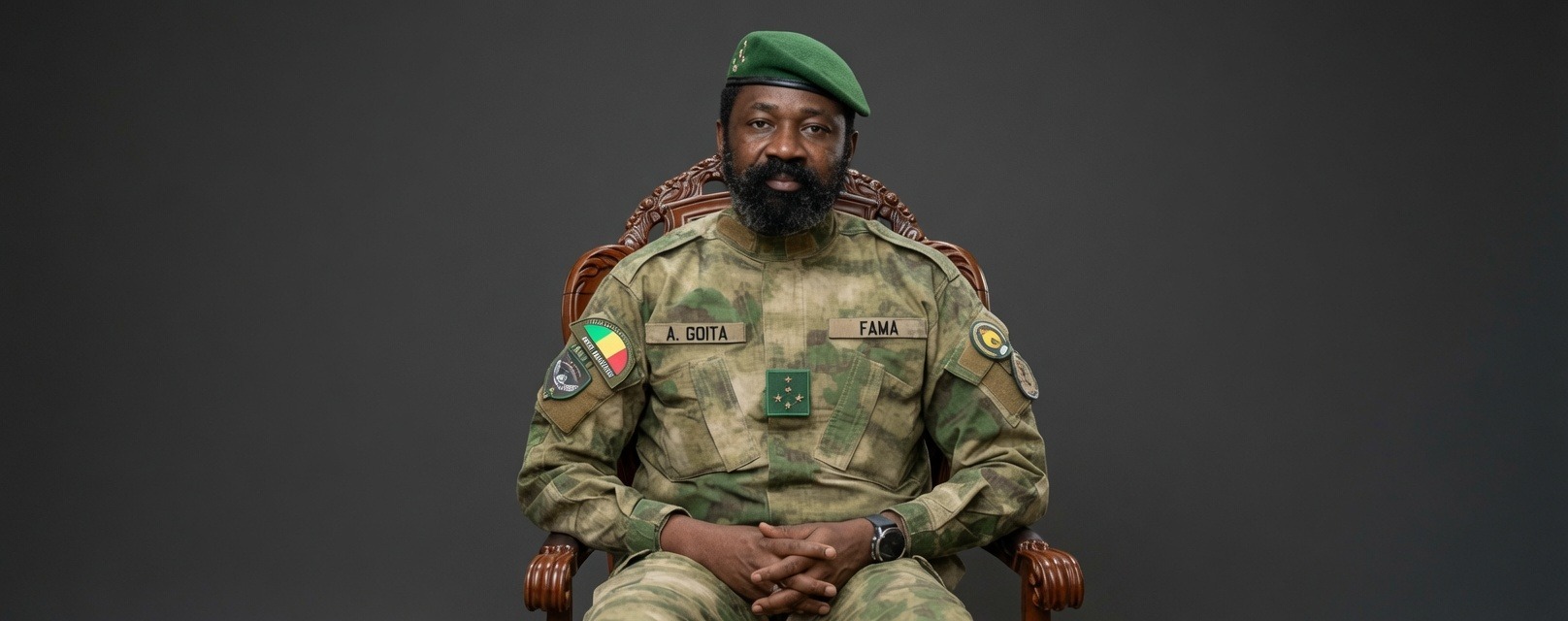
Bamako — A decisive shift is underway in how Mali’s conflict is being scrutinized. Amnesty International’s latest investigation, released on 28 September 2026, marks a turning point by directly accusing members of the Malian Armed Forces (FAMa), operating alongside foreign fighters from the Wagner group, of committing war crimes against civilians between 2023 and 2025. The report’s findings have injected new momentum into a long-stalled debate over impunity. Momentum builds behind a landmark investigation Titled “No one is spared,” the report draws on research conducted in Mauritania among Malian refugees.…

Read More

Mali’s energy breakthrough: 8 billion CFA from BOAD ignites a new chapter in the fuel crisis

Mali has taken a decisive step to break the suffocating grip of its energy crisis by securing an emergency loan of 8 billion CFA francs from the West African Development Bank (BOAD). This financing, earmarked for the immediate purchase and import of roughly 20 million litres of fuel, marks a turning point in the country’s struggle to keep the lights on and its economy moving. The intervention underscores the severe cash and logistical pressures Mali faces in securing essential petroleum products. It also signals a moment of momentum: a major…

Read More

Burkina Faso’s gold refining shift: a pivotal move with foreign custody concerns

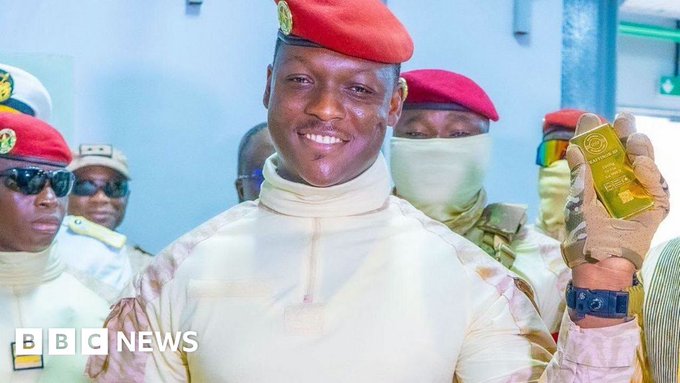
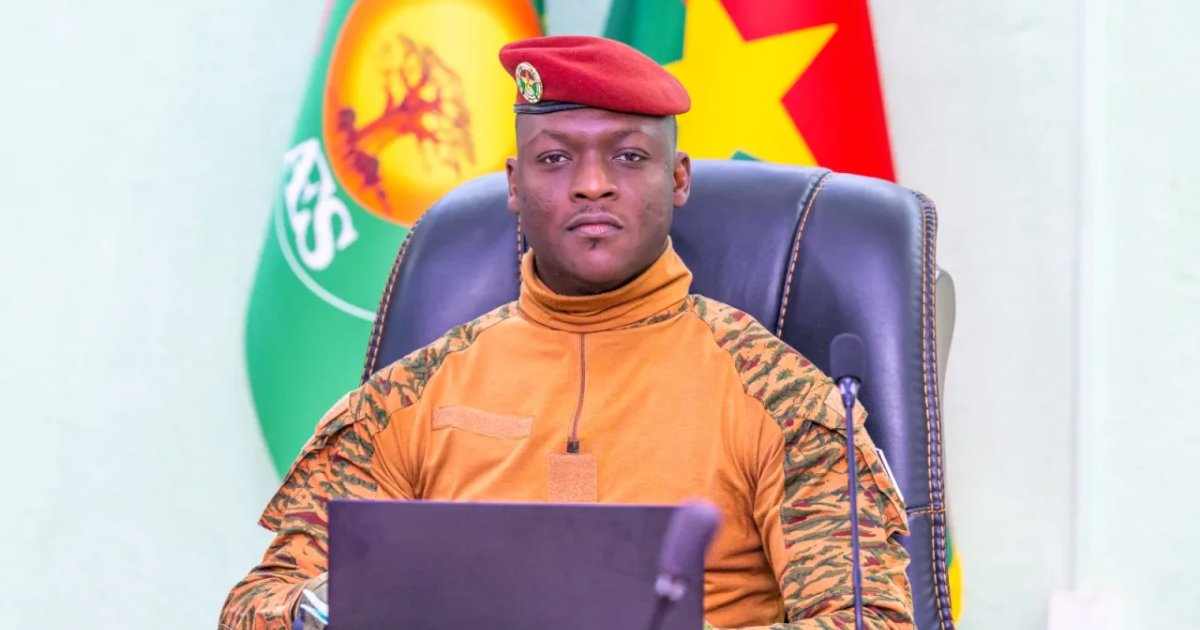
On 28 September 2026, Ibrahim Traoré officially inaugurated Burkina Faso’s first national gold refinery, RAFFINOR-BF, in Ouagadougou. The event marked a decisive turning point in the country’s quest to assert greater control over its mineral wealth. Authorities hailed it as a major breakthrough toward economic sovereignty, with the facility designed to process and add value to gold domestically. Its initial capacity is set at 164 tonnes per year, with potential expansion up to 515 tonnes. The investment exceeds 11 billion CFA francs. The strategic ambition: retaining value within national borders…

Read More

Niger’s competitive dialogue at a breaking point: the reform that never found its stride

The moment Niger’s procurement reform hit a wall When Decree No. 2022-743/PRN/PM was signed on 29 September 2022, it was presented as a decisive turning point for public procurement in Niger. By introducing the competitive dialogue procedure, the government promised to streamline public spending, strengthen transparency, and give the state access to the technical expertise needed for major development projects. Three years on, that turning point has become a dead end. The reform has delivered no tangible results for Niger’s economy, leaving businesses and taxpayers with little more than a…

Read More

Benin’s UN diplomacy: a decisive push for regional security and multilateral cooperation

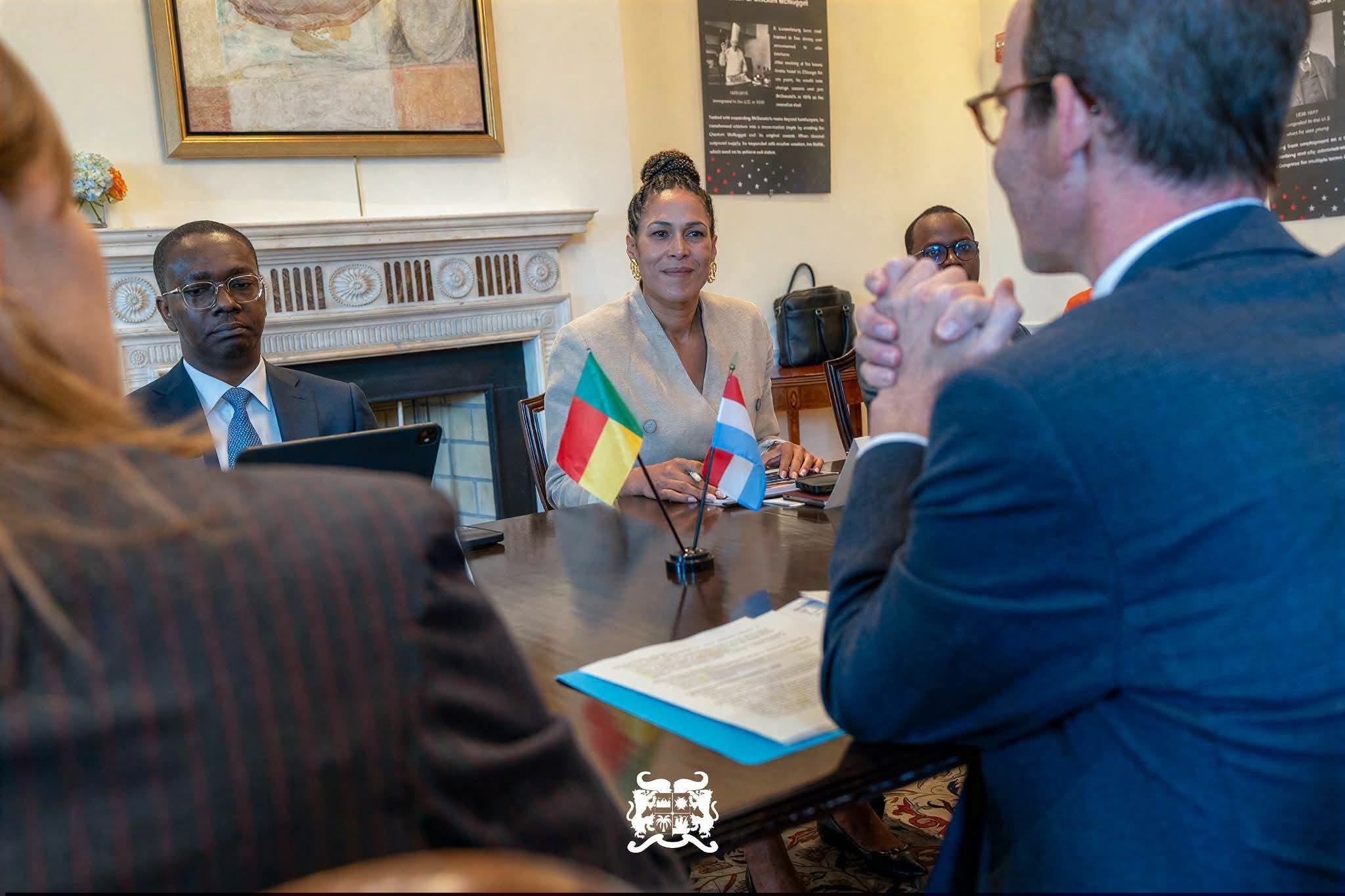
The voice of Benin resonated at the United Nations headquarters in New York. Foreign Minister Corinne Amori Brunet delivered the country’s national statement on the final day of the general debate of the 81st session of the UN General Assembly. She spoke alongside the permanent mission led by Ambassador Marc Hermanne Araba, Benin’s permanent representative to the intergovernmental body. This intervention came in a particularly scrutinized order of speakers, with Benin’s top diplomat taking the podium right after the delegations of Mali, Burkina Faso and Niger. UN principles translated into…

Read More

Cotonou 2026: francophone civil society’s decisive push for peace and resilience

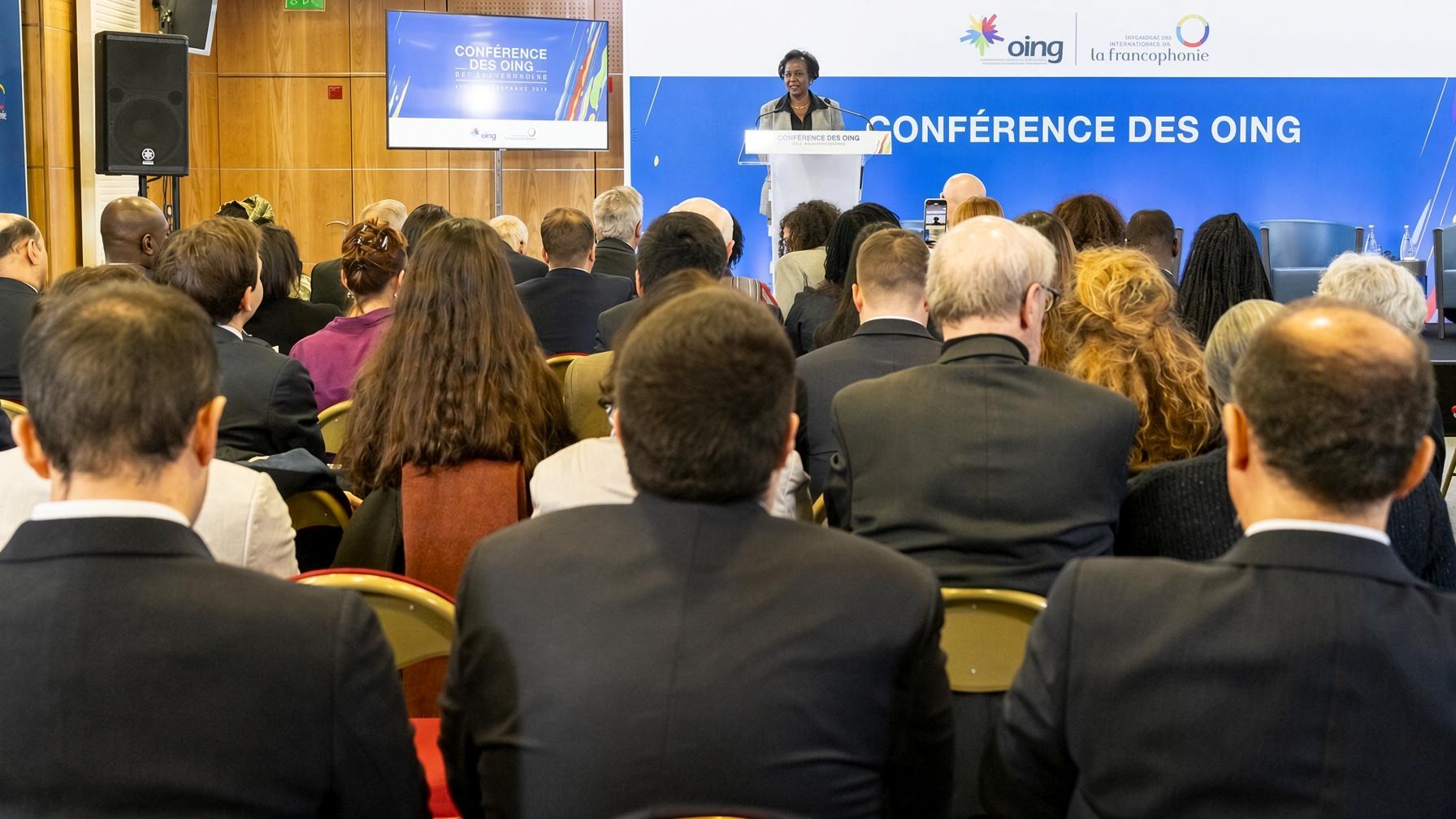
In a breakthrough moment for citizen-driven diplomacy, the 16th Ordinary Plenary Assembly of the Conference of International Non-Governmental Organizations (COING) of La Francophonie opened on September 28, 2026, in Cotonou, Benin. Over two days, civil society leaders from across the French-speaking world are converging to shape a unified contribution ahead of the 20th Francophonie Summit, scheduled for November 15-16 in Cambodia, and to lock in a pragmatic roadmap for 2026-2028. Peace that goes beyond the battlefield Under the theme “Reinvesting in peace: mobilizing francophone civil society for shared prosperity, resilient…

Read More

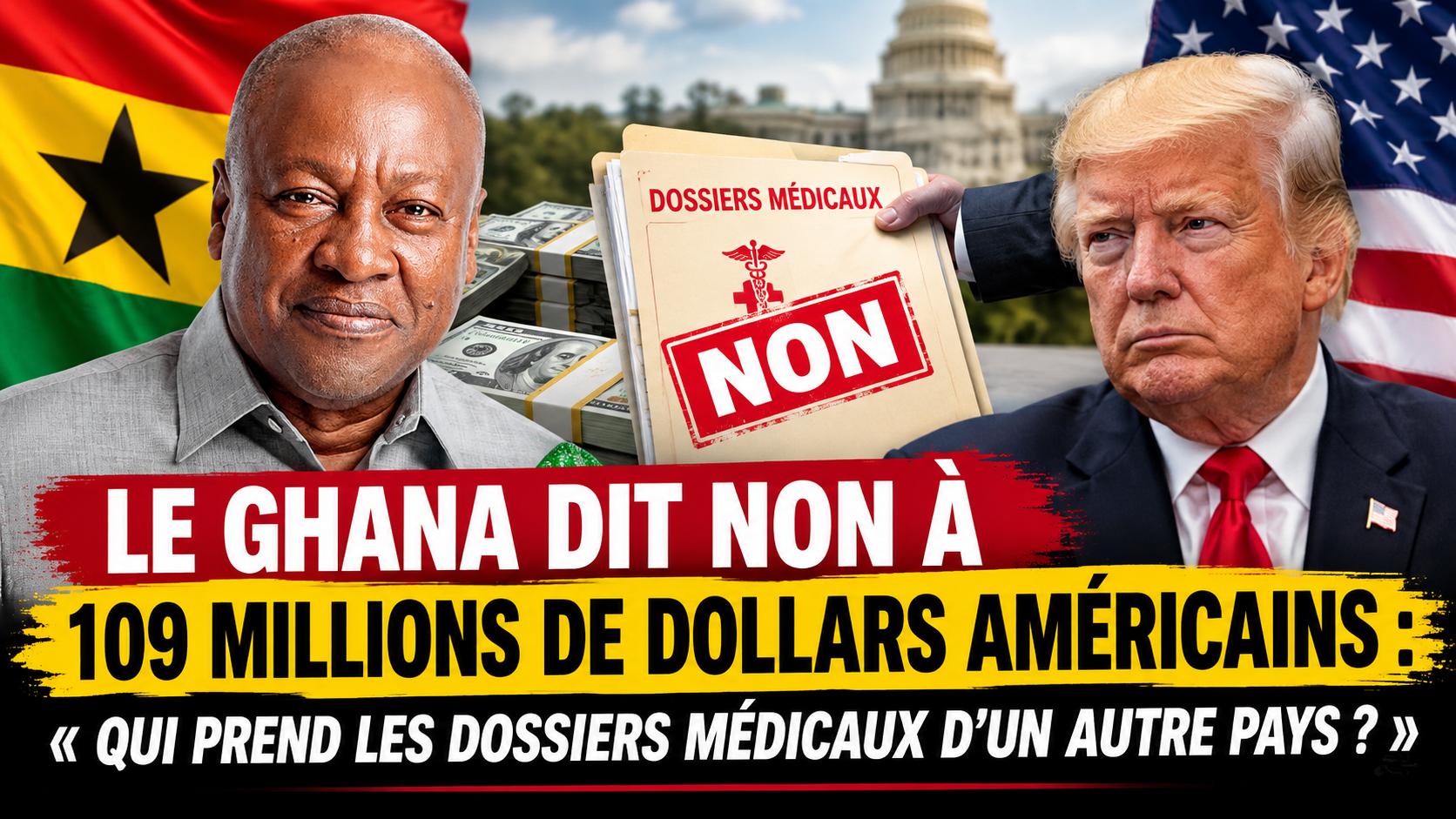
Ghana’s decisive break: Accra rejects $109 million US health pact in a sovereignty turning point

Accra has drawn a line in the sand, turning down a sweeping health agreement with Washington over medical data access, pathogen information, and alleged constraints on drug oversight. The move signals a decisive shift in Africa’s health sovereignty debate. ACCRA — Ghana has just posed a question that reaches far beyond the walls of its health ministry: what is a nation’s sovereignty worth when foreign financial aid comes with sensitive strings attached? Accra’s answer is now clear: not $109 million. The Ghanaian government turned down a new health agreement proposed…

Read More

Kribi port at 15: how Cameroon’s deep-water hub sparked an economic renaissance

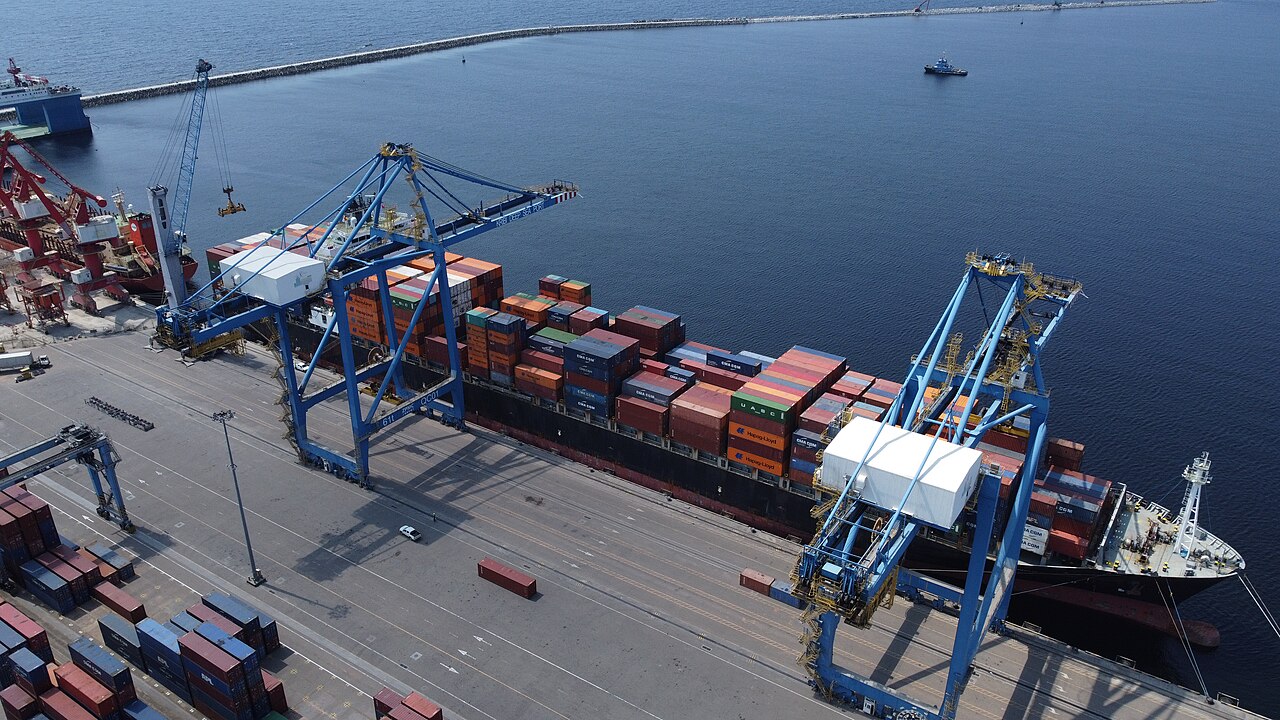
From fishing village to industrial powerhouse: the port transformation Fifteen years ago, Mboro near Kribi in southern Cameroon was a sleepy fishing hamlet with barely a paved road in sight. Today, this stretch of coastline hosts one of central Africa’s most advanced deep-water ports, and the surrounding area is undergoing a rapid industrial and logistical boom that is reshaping lives across the region. For decades, Cameroon had sought to build a deep-water port to complement the shallow-water port of Douala, the country’s main maritime gateway. This long-held vision finally became…

Read More

Niger’s breakpoint: when the SOMAÏR and SONIDEP collapse became impossible to ignore

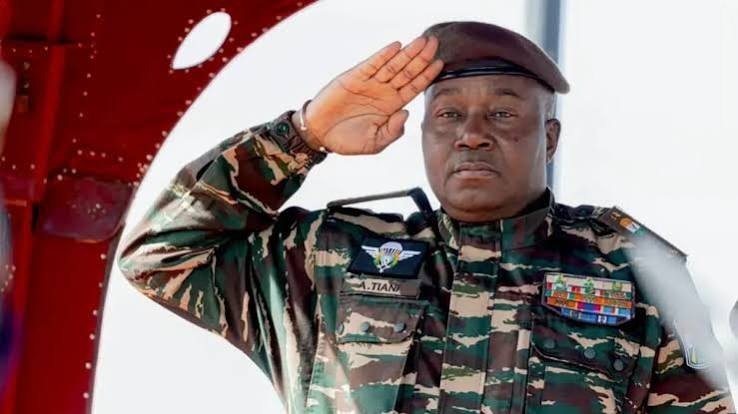
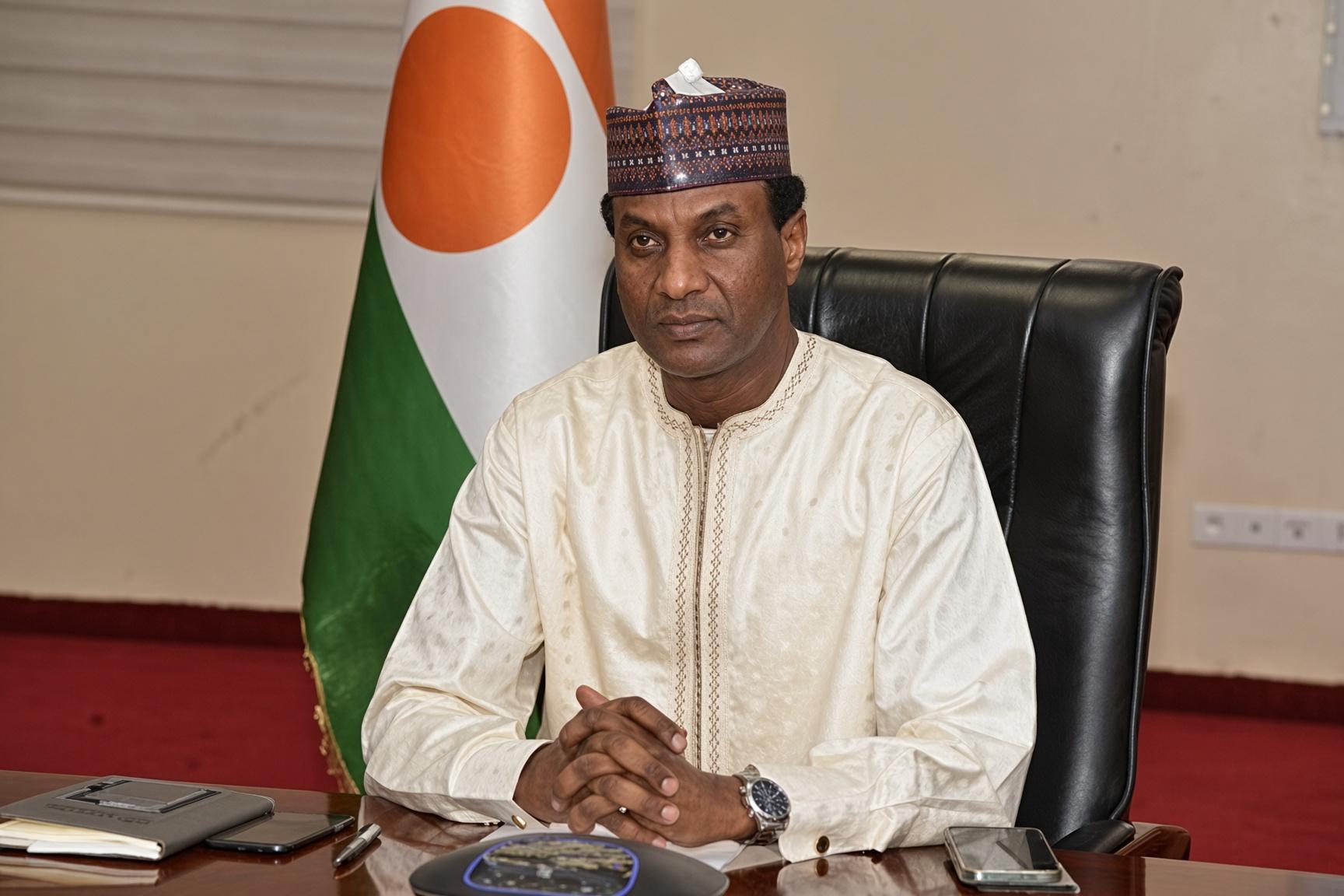
The moment of truth arrived not in a conference room in Niamey, but on the world’s most visible stage. At the 81st United Nations General Assembly, Prime Minister Ali Mahaman Lamine Zeine delivered yet another soaring sovereignty speech, repeating the CNSP’s familiar watchwords: reclaiming national resources, economic independence, breaking with neocolonialism. The applause has faded. The numbers have not. Behind the patriotic curtain, two state-owned giants — the SOMAÏR and the SONIDEP — are sinking under chaotic management, and the financial wreckage is now hitting Nigerien households directly. This is…

Read More

UK airport transit visa shake-up: Senegal faces a pivotal shift in global travel access

The United Kingdom has implemented a sweeping change that places Senegal alongside eight other West African nations under its airport transit visa regime. Effective immediately, travelers from these countries—including those merely transiting through London’s Heathrow or Gatwick airports—must secure a transit visa, even if they never clear UK immigration. This abrupt policy shift creates new hurdles for business travelers, students, and diaspora communities connecting through British airspace en route to North America or Asia. Nine West African nations added to UK transit visa list The Home Office’s updated directive now…

Read More

Burkina Faso’s AES monetary shift: Traoré signals cautious progress without deadlines

Burkina Faso’s AES monetary shift: Traoré signals cautious progress without deadlines The future of a unified currency for the Alliance of Sahel States (AES) remains a high-stakes question, though no concrete timeline has emerged. Speaking to journalists on September 27, 2026, Burkina Faso’s President Ibrahim Traoré maintained deliberate ambiguity about the project’s status, while hinting that discussions are advancing behind closed doors. Whispers of monetary sovereignty: what Traoré’s silence truly means When pressed on the possibility of an AES currency replacing the West African CFA franc, President Traoré offered no…

Read More

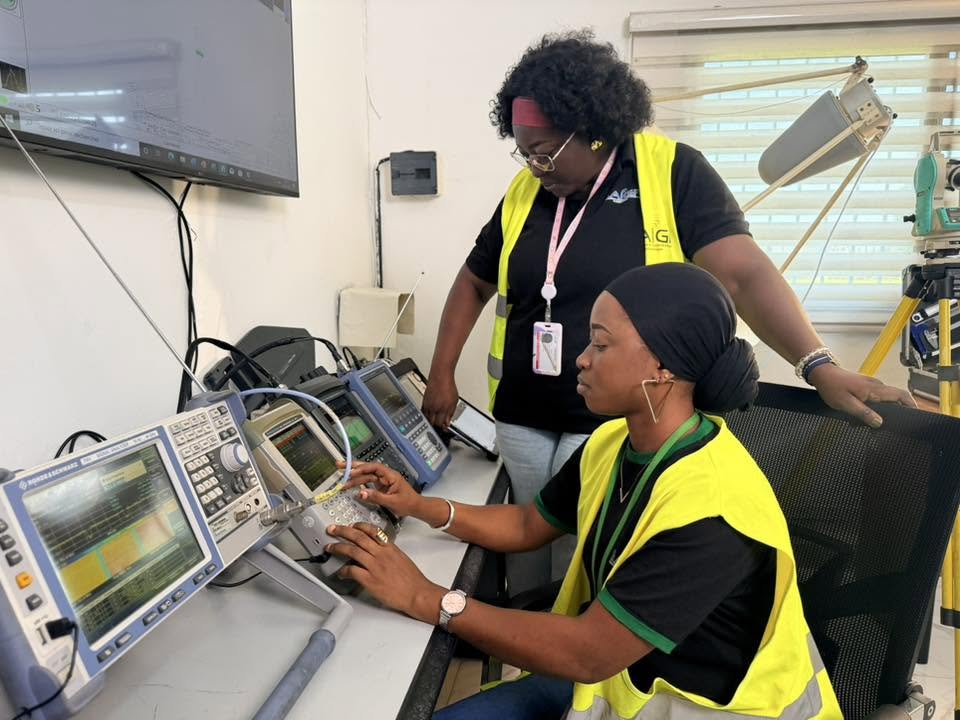
Côte d’Ivoire’s radio frequency management: a major shift in spectrum oversight

Côte d’Ivoire’s radio frequency management: a major shift in spectrum oversight The West African nation stands at a critical juncture as Côte d’Ivoire prepares to unveil groundbreaking advancements in its radio frequency management strategies. On September 29, 2026, a landmark public briefing will shed light on the nation’s evolving approach to spectrum control and allocation, marking a decisive turning point in how radio waves are governed and utilized across the country. Unveiling the mechanisms behind Côte d’Ivoire’s radio frequency strategy At the heart of this transformative shift lies the Agence…

Read More