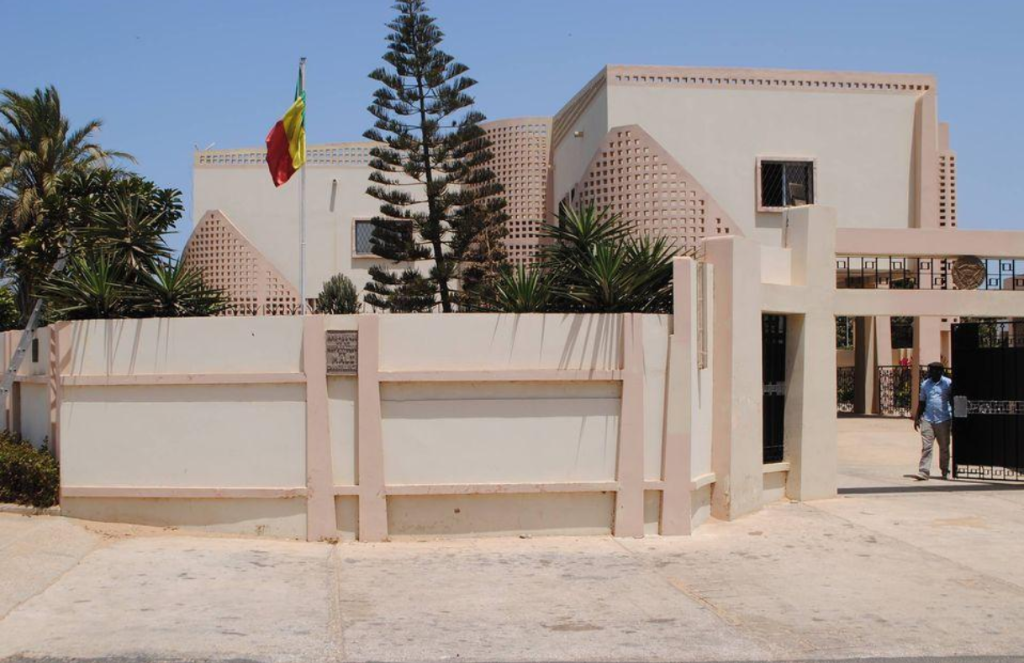
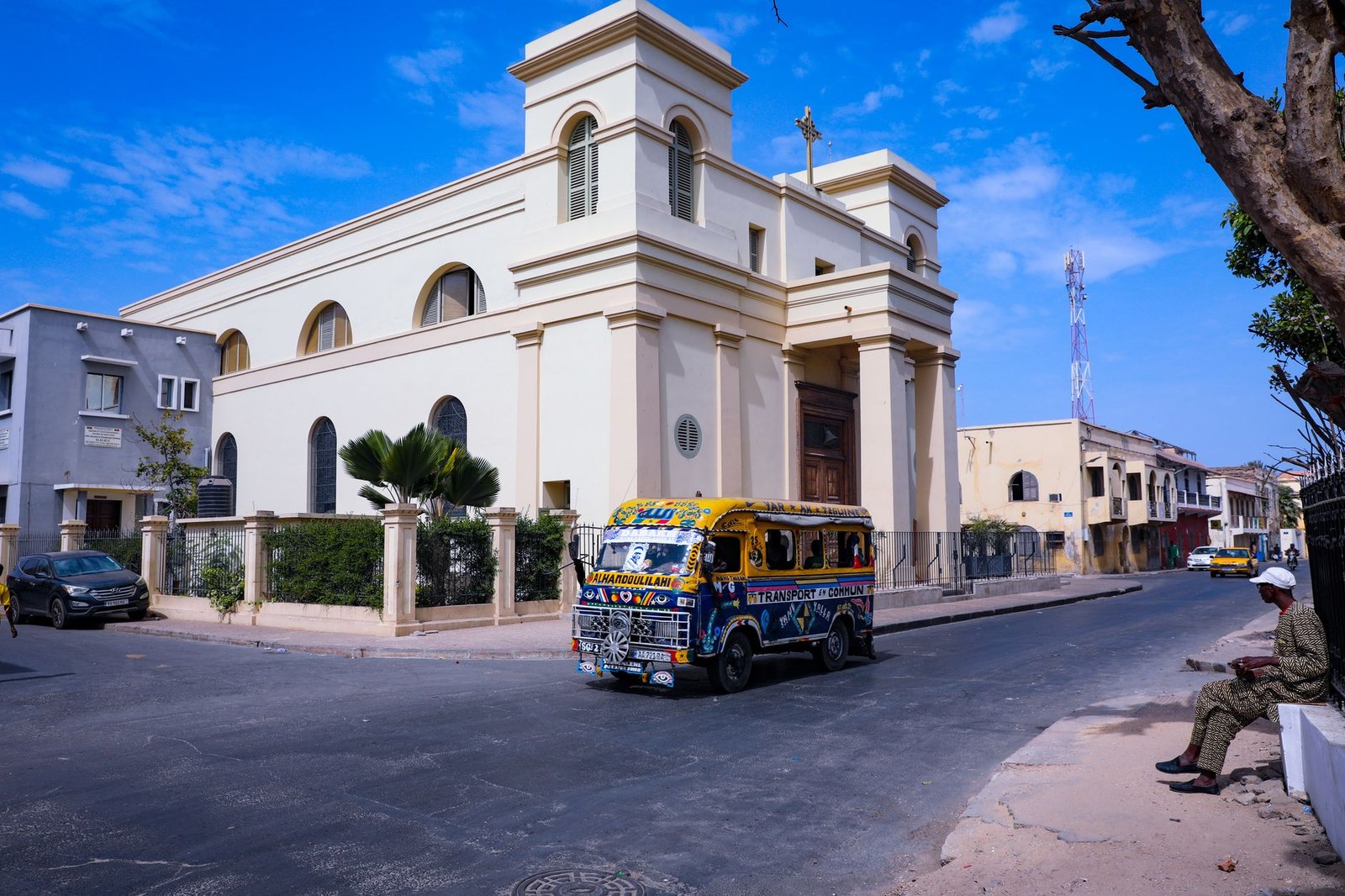
The expulsion order handed down by Senegal’s judicial system against Mali’s embassy has ignited a heated public debate in Dakar. The ruling, which requires the diplomatic mission to vacate a 1,157 square meter plot in the upscale Fann neighborhood, has raised questions about property rights, diplomatic immunity, and the enforcement of national laws over foreign missions. What the court decided and why it matters The decision stems from a long-standing property dispute between Immoland SARL and Mali’s embassy. The Senegalese court ruled that the diplomatic mission’s occupation of the land…
Read MoreAuthor: Aïcha Abdou
How Russia’s veteran diplomat reshapes Gabon’s diplomatic landscape
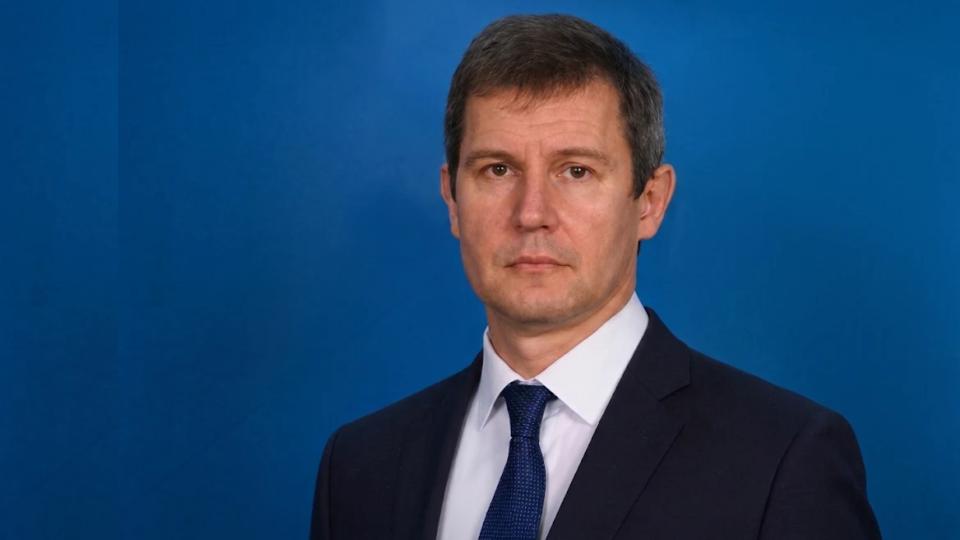
The Kremlin’s latest African pivot reveals deeper strategic intentions behind Moscow’s personnel reshuffling in sub-Saharan embassies. A presidential decree dated November 10, 2026, confirmed the appointment of Gueorgui Tchepik as Russia’s ambassador to Gabon, marking a deliberate shift toward profiles deeply familiar with African corridors of power. This move is not happening in isolation. Parallel to Libreville, Moscow reassigned Alexeï Sentebov to Gaborone, replacing Andreï Kemarski. Both diplomats bring extensive continental experience—former heads of mission in Kinshasa and Pretoria respectively—signaling a coordinated effort to rebalance Russian influence across the region.…
Read MoreJustice delayed but not denied: Rwanda prepares to try Jean Leonard Teganya after 30-year exile
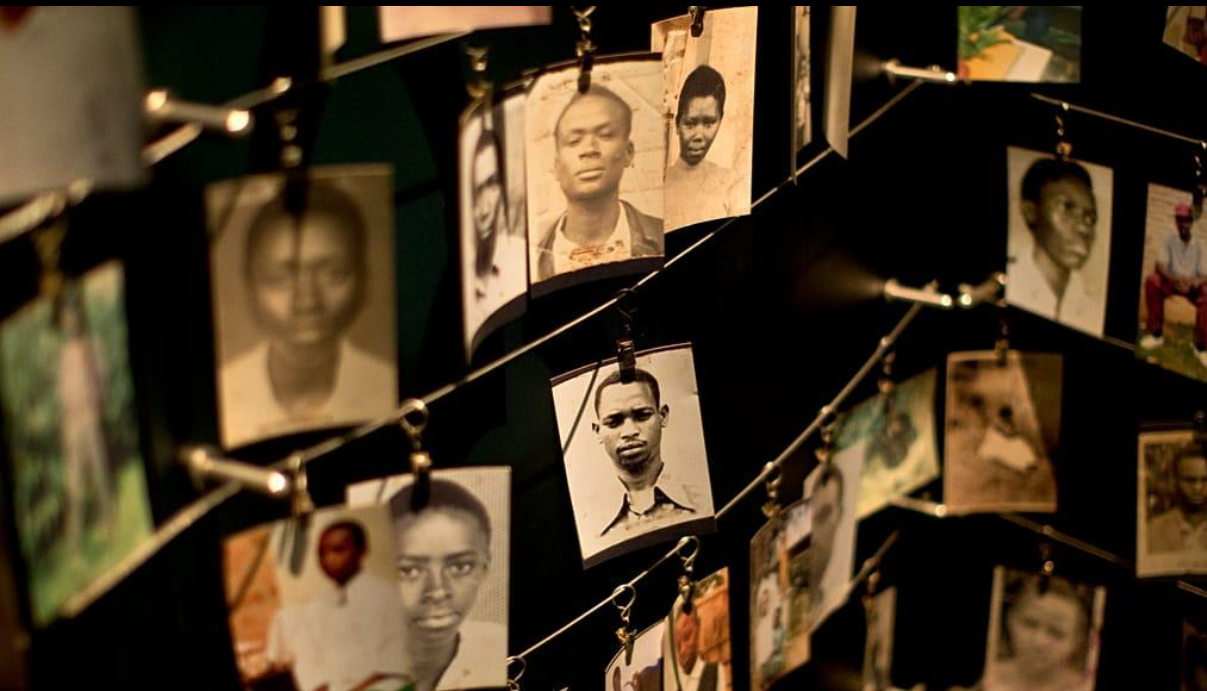
From fugitive to defendant: Teganya faces genocide charges after decades After spending over 30 years evading justice, Jean Leonard Teganya has been forcibly returned to Rwanda to stand trial for alleged involvement in the 1994 genocide against the Tutsi people. The 55-year-old former medical student, expelled from the United States on November 9, 2026, now faces charges of genocide and crimes against humanity under Rwandan law. Upon his arrival in Kigali, Teganya was immediately handed over to national authorities and placed in police custody for questioning. His case has since…
Read MoreAlgeria raises alarm over Morocco-linked water pollution as diplomatic fallout escalates
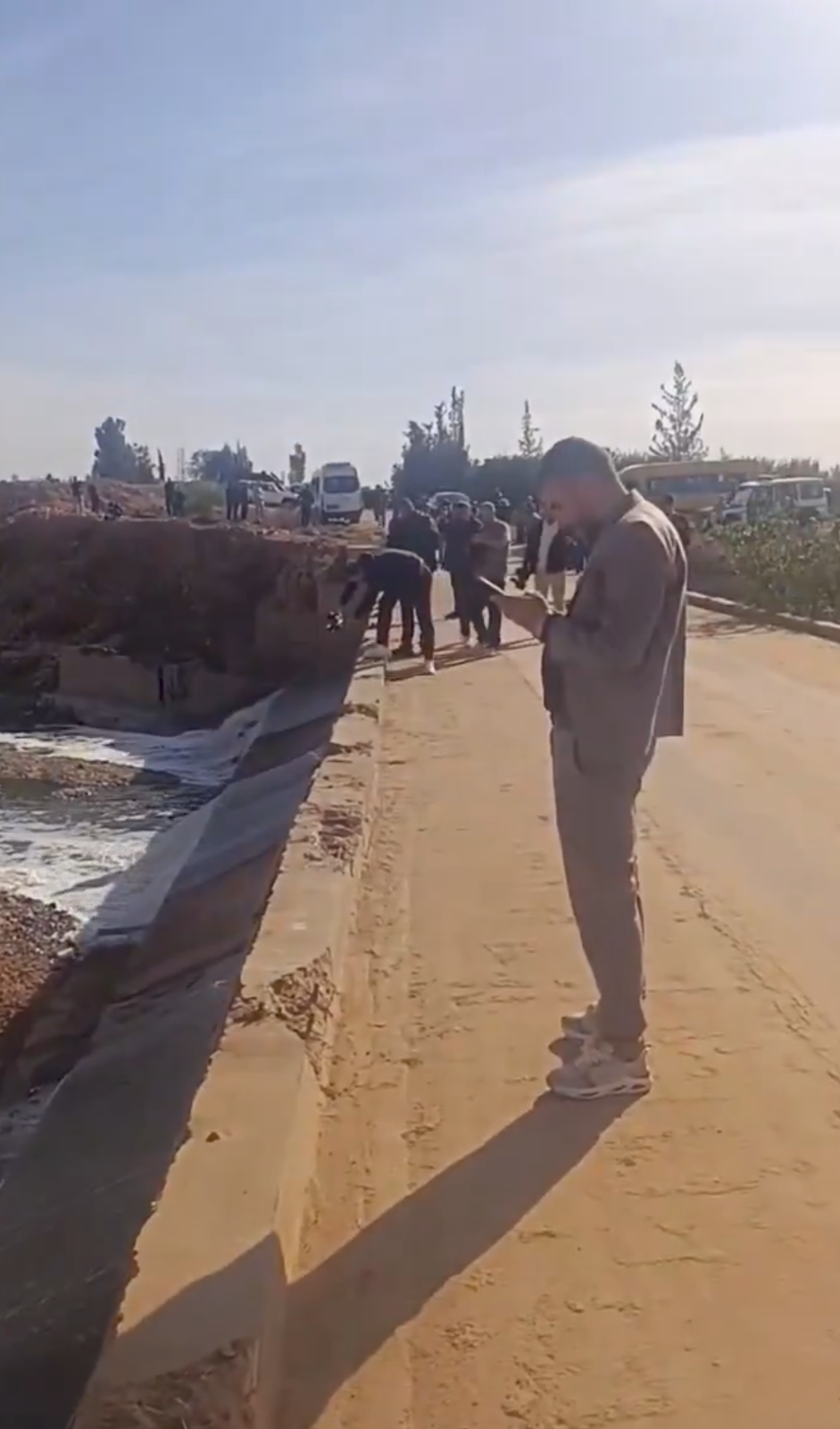
Algeria’s latest environmental grievance with Morocco has escalated into a full-blown dispute, with officials warning that industrial and municipal discharges from across the border are poisoning the oued Mouilah in Tlemcen Province. Beyond the immediate ecological threat, the incident is being framed as a potential test case for international water law—and a fresh flashpoint in a relationship already strained by years of geopolitical rivalry. How water pollution became the latest battleground for Algeria and Morocco The oued Mouilah, a lifeline for western Algeria, now carries heavy loads of nitrites, heavy…
Read MoreAfter school closures and teacher shortages in Niamey, what future for education in the Sahel?
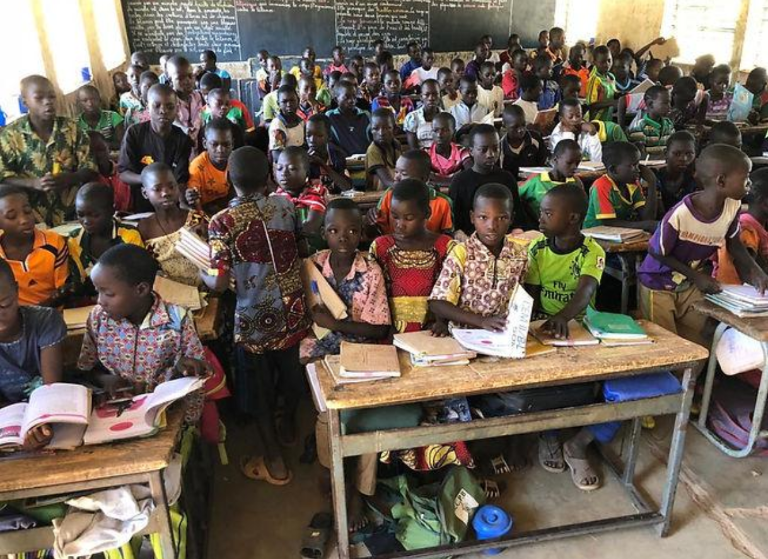
Public backlash grows over Niamey’s education crisis amid fallout from school closures and teacher shortages The first Education and Training Ministers’ Conference of the Alliance of Sahel States (AES), held today in Niamey, opened under heavy scrutiny as Niger, Burkina Faso, and Mali grapple with the fallout of a deepening education crisis. The gathering, presided over by Niger’s Prime Minister Ali Mahamane Lamine Zeine, brings together delegations from all three countries to debate a sobering question: how can education sovereignty be built when classrooms are empty and qualified teachers are…
Read MoreBenin’s energy crisis: can 2030 electrification targets revive industry and jobs?
As Benin celebrates an average annual economic growth rate of 7.1% between 2021 and 2025, surpassing 8% in 2025 alone, the West African nation stands out as one of the region’s most resilient economies. Massive infrastructure investments, industrial expansion, and economic modernization have fueled this expansion. Yet, despite these strong macroeconomic indicators, a troubling disconnect persists: growth is failing to generate sufficient formal, stable, and well-paid employment opportunities. This paradox is at the heart of the ongoing public debate in Benin, as highlighted in the latest economic outlook reports. In…
Read MoreGabon’s strategic shift: dissecting China’s deepening economic footprint in Libreville
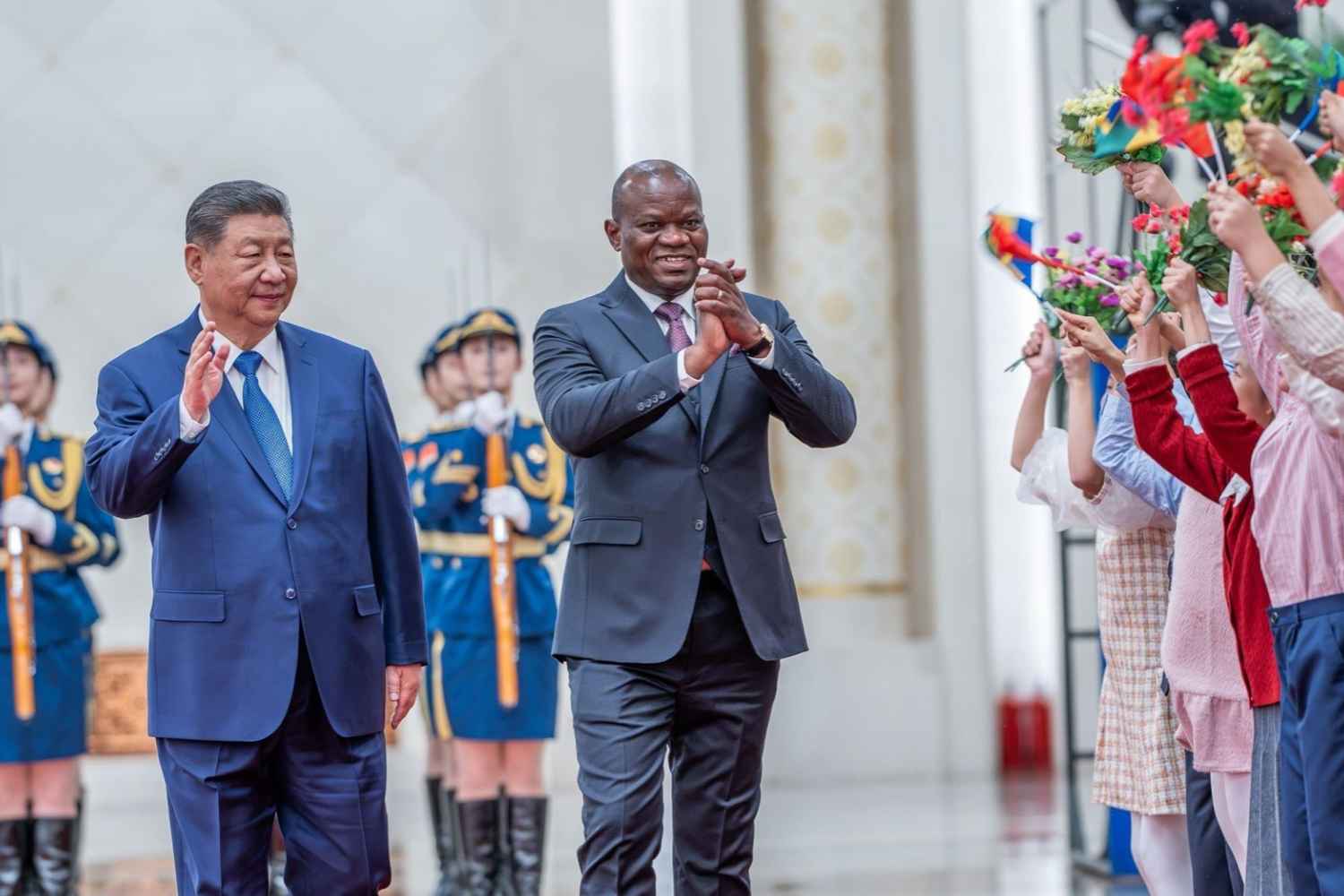
How Beijing’s mining investments are reshaping Gabon’s industrial landscape The recent state visit of Gabonese President Brice Clotaire Oligui Nguema to Beijing wasn’t merely diplomatic theater—it represented a calculated pivot in Libreville’s long-term economic strategy. Behind the joint declarations lies a deliberate push to move beyond raw mineral exports in favor of localized processing and value creation, a move analysts suggest reflects both domestic pressures and shifting global demand patterns. The manganese revolution: converting ore into economic leverage At the heart of this transformation lies a $198 million agreement with…
Read MoreMali’s humanitarian crisis deepens: 5.1 million in need amid shifting global responses
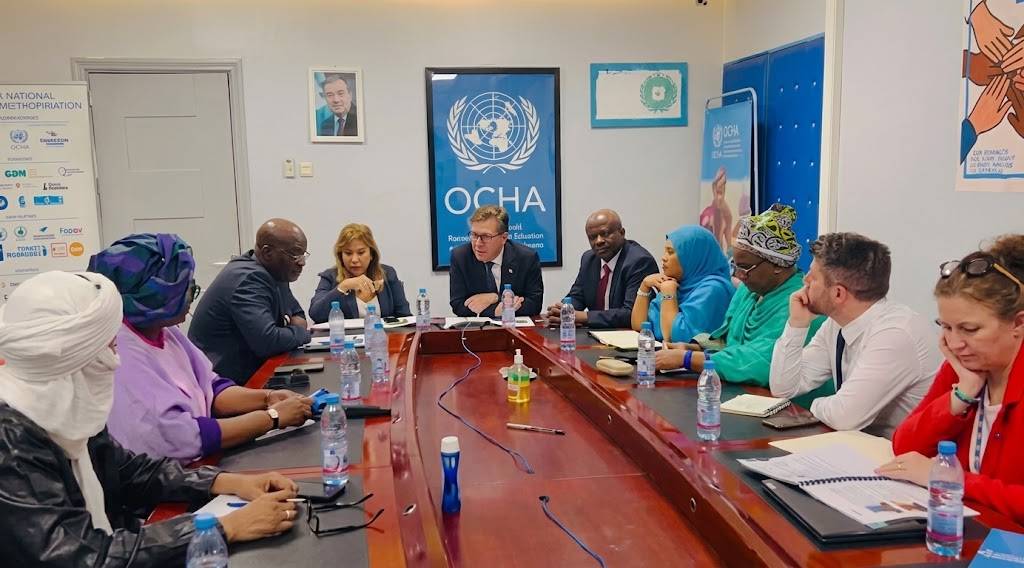
The international community is now facing a critical juncture in Mali as the United Nations sends a high-level delegation to Bamako, just as the country grapples with a severe humanitarian crisis. With 5.1 million people relying on external assistance in 2026, the visit by UN Deputy Emergency Relief Coordinator Tom Fletcher has triggered intense public debate over the future of aid delivery in a nation where diplomatic tensions are reshaping humanitarian operations. The backdrop to this mission is a series of policy shifts by Malian authorities that have led to…
Read MoreCameroon’s 2027 elections: behind the scenes of a delayed but decisive vote
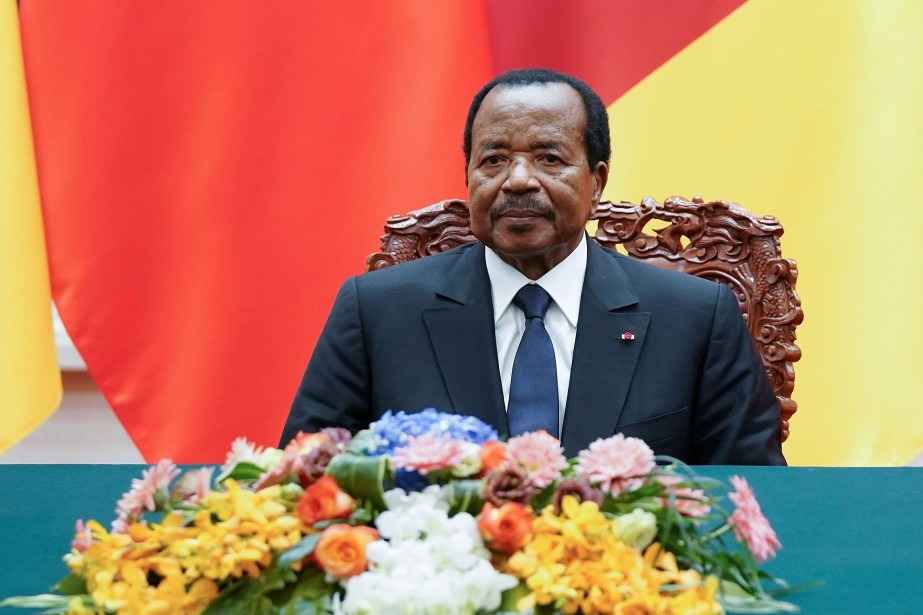
After years of political maneuvering, institutional delays, and intense bargaining among lawmakers, Cameroon’s electoral pathway has finally been set. President Paul Biya signed a decree on November 9, 2026, officially summoning voters to the polls on February 7, 2027. This historic dual electoral process will determine the future of 180 national deputies and hundreds of municipal councilors, marking a pivotal moment in the nation’s democratic journey. Breaking free from years of uncertainty, the announcement closes a chapter of prolonged speculation and institutional limbo that had left the political landscape in…
Read MoreAfrican voices grow louder at Paris peace forum as technology and diplomacy take center stage
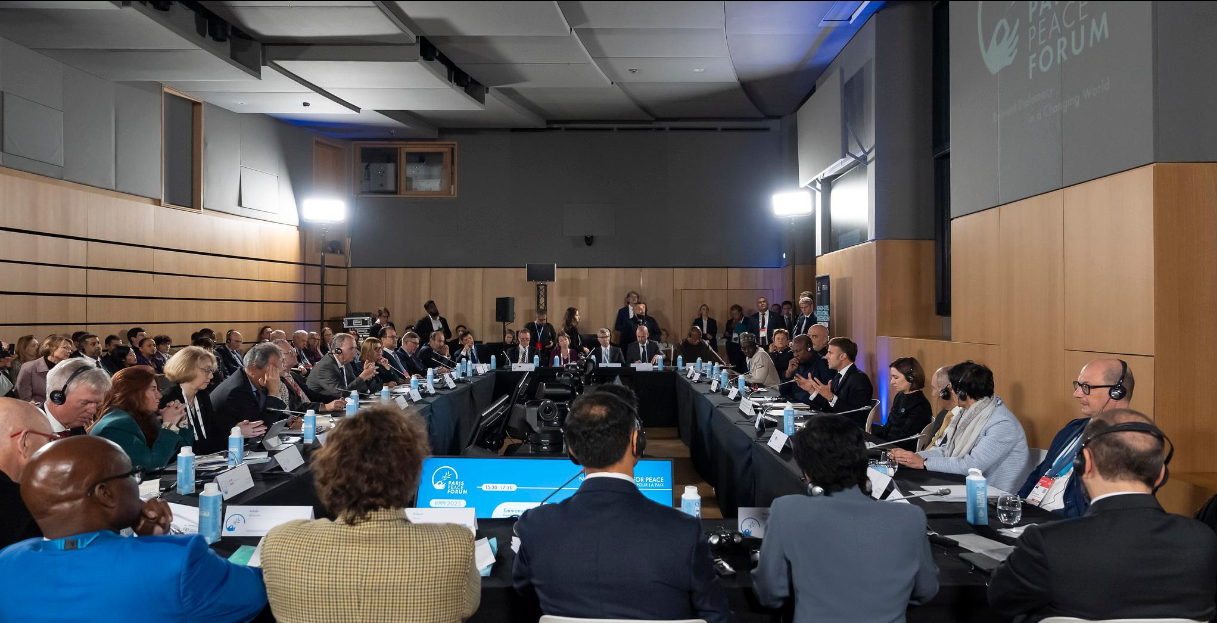
The ninth edition of the Paris Peace Forum, held on November 10-11, 2026, became a battleground for competing visions of global governance, with African leadership emerging as a defining force in the debate. Senegal and Benin took bold steps to assert their priorities on the international stage, sparking fresh discussions about Africa’s evolving role in shaping the world’s future. With geopolitical tensions escalating and technological disruption reshaping power dynamics, the forum served as a critical platform for world leaders to address the fractures in global stability. Against this backdrop, Dakar…
Read MoreNiger : Les produits algériens à la conquête du marché, les producteurs locaux face au risque d’étouffement
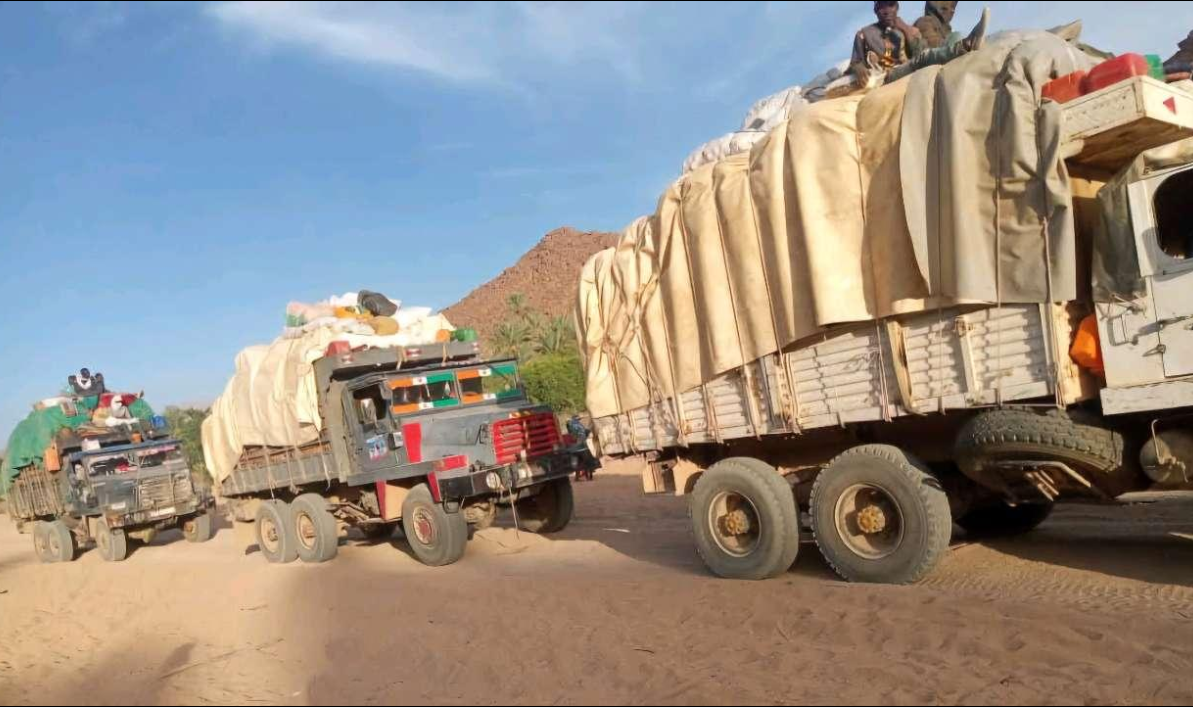
Avec une nouvelle cargaison de 1 050 tonnes de marchandises expédiée depuis Adrar, l’Algérie accélère son offensive commerciale vers le Niger. Dattes, détergents, emballages et sel figurent parmi les produits destinés au marché nigérien. Derrière cette percée commerciale se pose une question cruciale : quelle place restera-t-il aux producteurs et aux industries locales dans un marché de plus en plus ouvert aux importations ? La route commerciale entre l’Algérie et le Niger prend une nouvelle dimension. Le 7 novembre 2026, une caravane composée de 25 camions de gros tonnage a…
Read MoreSenegal’s potential December 2026 parliament dissolution: what lies beneath the timeline
Behind the constitutional move: what the December 2026 dissolution proposal reveals The debate over whether the National Assembly of Senegal should be dissolved has shifted from theoretical discussion to practical urgency. Kiraay, the party aligned with President Bassirou Diomaye Faye and steered by Aminata Touré, has openly advocated for invoking Article 87 of the Constitution as soon as it becomes applicable on December 2, 2026. This constitutional clause empowers the president to terminate the legislature’s term two years after its installation, provided the prime minister and the National Assembly president…
Read More