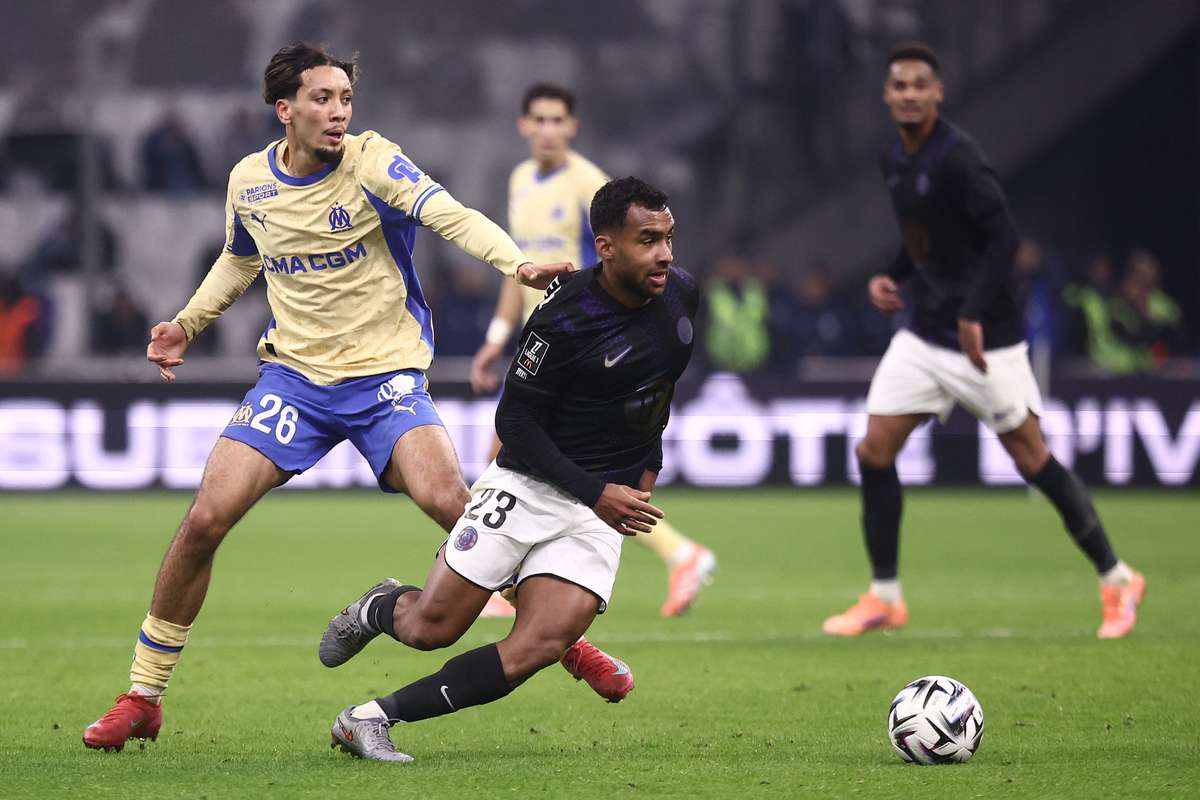
As Marseille and Toulouse prepare to lock horns at the Stade Vélodrome this Sunday, the footballing world is buzzing with questions: will the Phocéens finally reverse their historic underperformance against the Violets, or will Toulouse extend their unbeaten streak and leapfrog into the top half of the table? The reactions across France are stark—Ligue 1’s mid-table battlers are on the brink of a decisive moment that could redefine their seasons. With Marseille’s Europa League struggles adding pressure and Toulouse’s resilient form under Jens Berthel Askou challenging perceptions, this fixture is…
Read MoreAuthor: Aïcha Abdou
Israel’s election aftermath: Netanyahu’s fragile grip and regional ripple effects
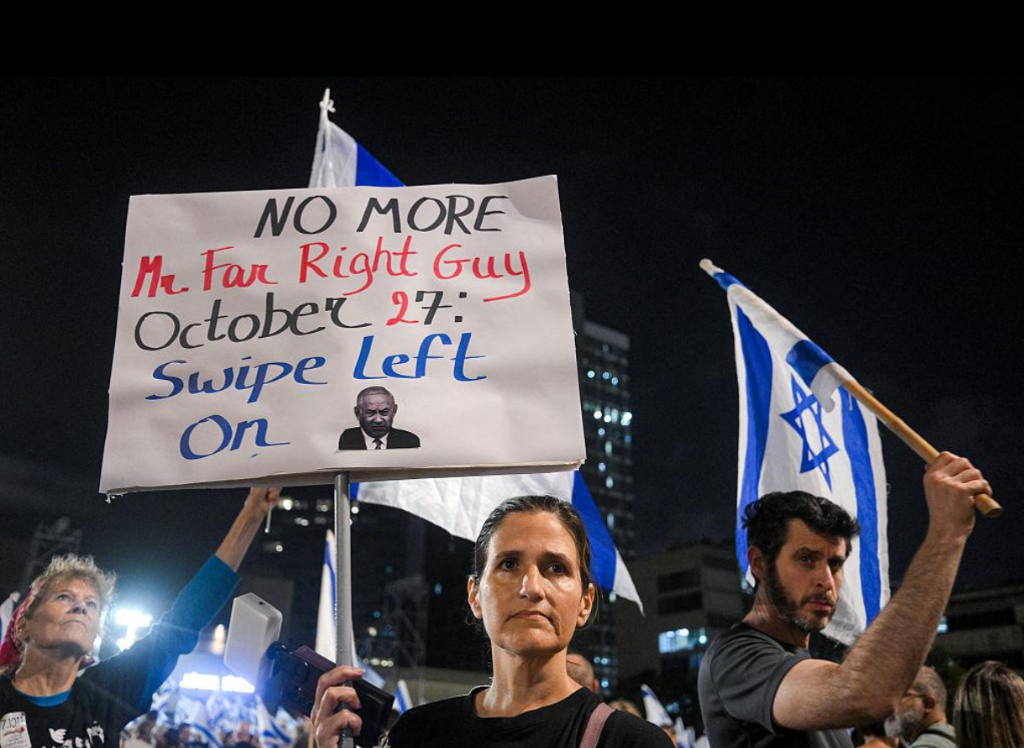
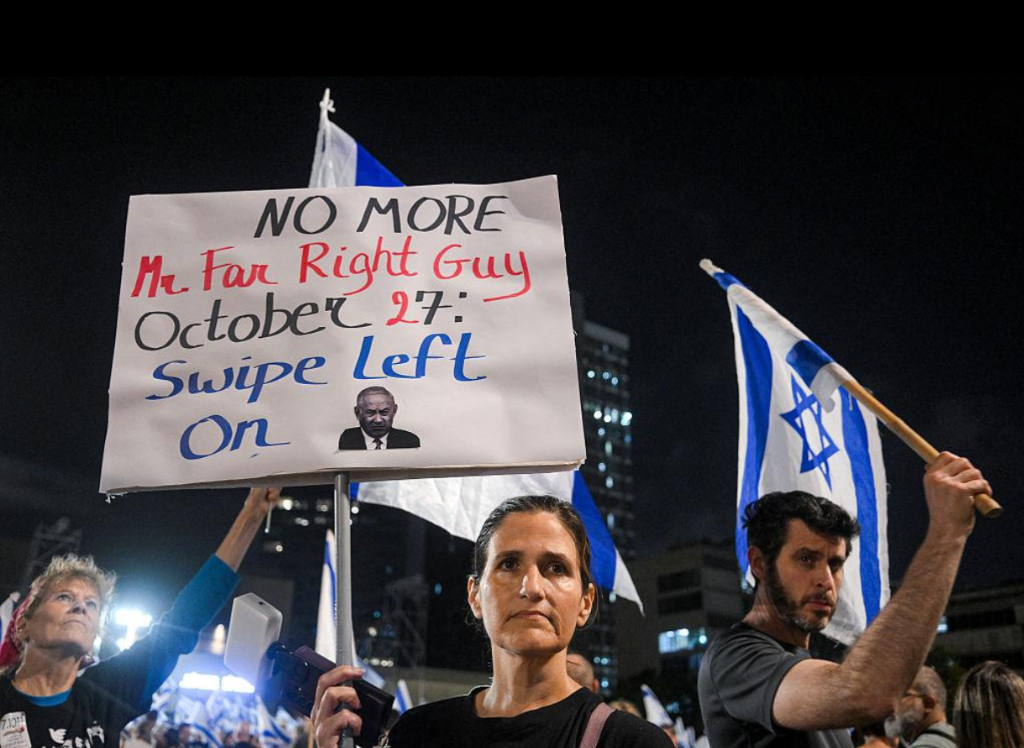
Benyamin Netanyahu may have emerged victorious in Israel’s October 27, 2026 elections, but his 53-seat bloc falls far short of the 61 needed for a parliamentary majority. With opposition forces holding 48 seats and Arab parties securing a record 19 seats, the political landscape has shifted dramatically. This fragmented mandate is igniting fierce debates both inside Israel and across the Middle East, raising critical questions about governance, security, and regional stability. From electoral victory to parliamentary stalemate The election results have shattered any illusion of a clear mandate for Netanyahu’s…
Read MoreIsrael’s tight election leaves Netanyahu’s future uncertain amid regional tensions
Israel’s political earthquake: no clear path forward after fragmented election results The October 27, 2026 legislative elections have delivered a seismic shock to Israeli politics, leaving Benjamin Netanyahu’s bloc with 53 seats in the Knesset – 8 short of the 61 needed for a majority. With the opposition holding 48 seats and Arab parties securing 19, the fragmented parliament has plunged the nation into uncharted political waters that could reshape Israel’s domestic and regional landscape. What the vote reveals about Israel’s deeply divided society The election results expose fundamental divisions…
Read MoreBurkina Faso’s youth training deal with Russia: what are the hidden risks?
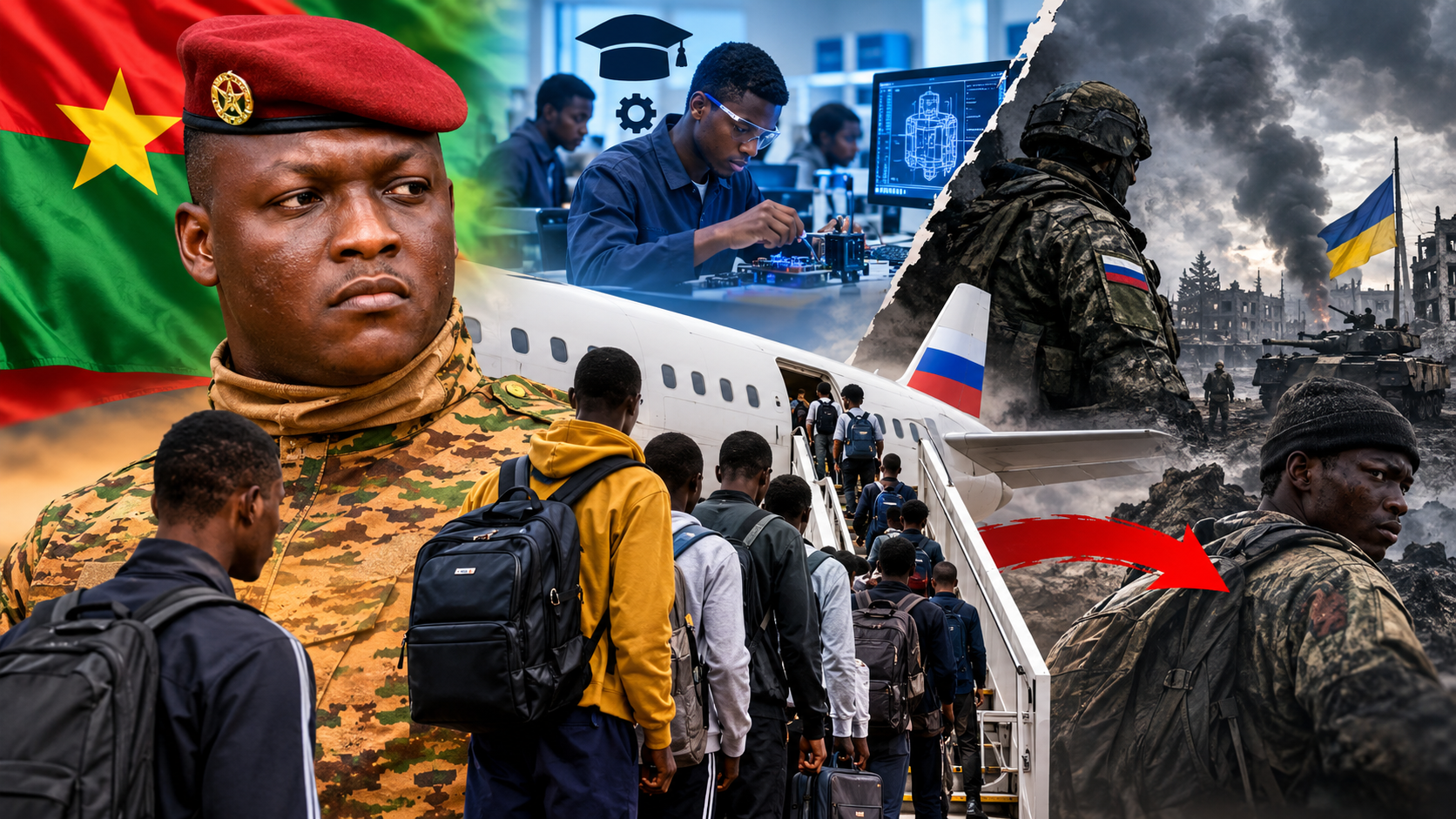
As Burkina Faso prepares to send a new wave of young citizens to Russia for allegedly advanced technological training, critics are questioning whether these individuals are being set up for a far more perilous fate. The initiative, championed by Captain Ibrahim Traoré, promises cutting-edge education and skills development, but growing skepticism surrounds the true intentions behind the program. In a nation already grappling with security threats and economic challenges, the debate over this controversial move is intensifying. From technological promise to potential battlefield exposure The official narrative frames the partnership…
Read MoreUncertain funding sources for Koudougou’s 15,000-seat stadium spark public debate
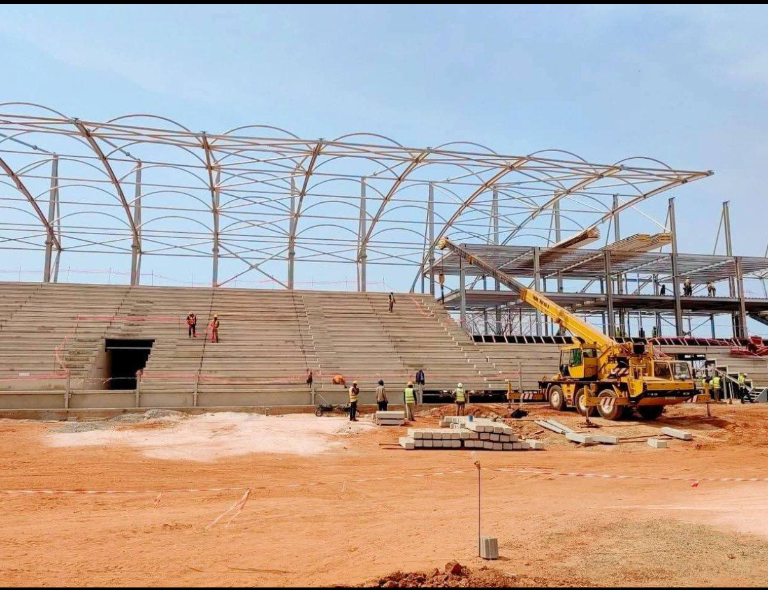
Public scrutiny intensifies over financial origins of Burkina Faso’s new stadium The announcement of a 15,000-seat stadium in Koudougou has ignited discussions across Burkina Faso about who will ultimately bear the financial burden. While authorities celebrate the infrastructure project as a milestone for local sports development, critical questions remain unanswered about the funding mechanisms behind this $60 million initiative. Citizens and analysts demand clarity on whether this investment will rely solely on public coffers or involve international partnerships. Behind the project announcement lies financial ambiguity Positioned as part of the…
Read MoreSenegal’s youth olympics gamble: decoding the logistical and strategic challenges behind Dakar 2026
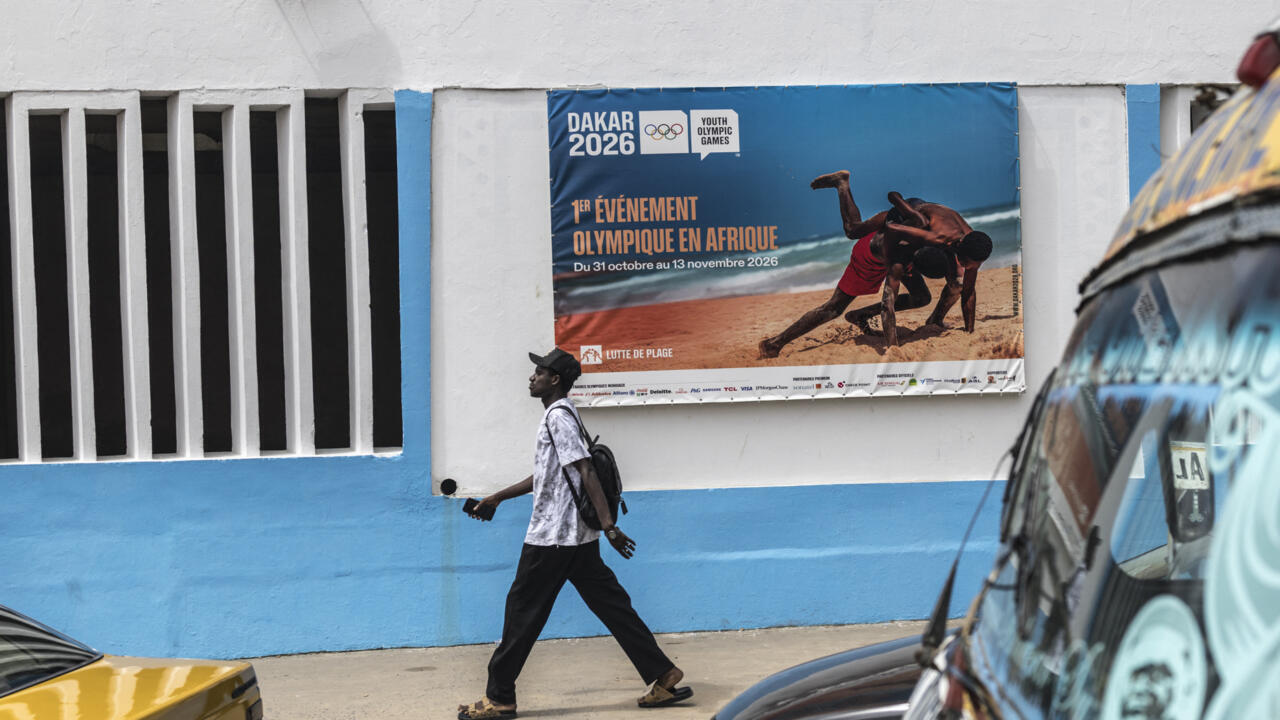
Africa’s olympic debut: the real hurdles behind Dakar’s youth games When the Olympic flame arrives in Dakar on October 31, 2026, it will mark more than a sporting spectacle—it will be the culmination of a decade-long strategic gamble by Senegal and the International Olympic Committee to prove that Africa can stage global events with excellence. Behind the historic first-ever Olympic Games on African soil, however, lies a complex web of logistical, economic and political dynamics that have been quietly reshaping the continent’s sporting ambitions. Why Dakar’s youth olympic games matter…
Read MoreBurkina Faso’s education revolution: examining the gap between promised universities and ground reality
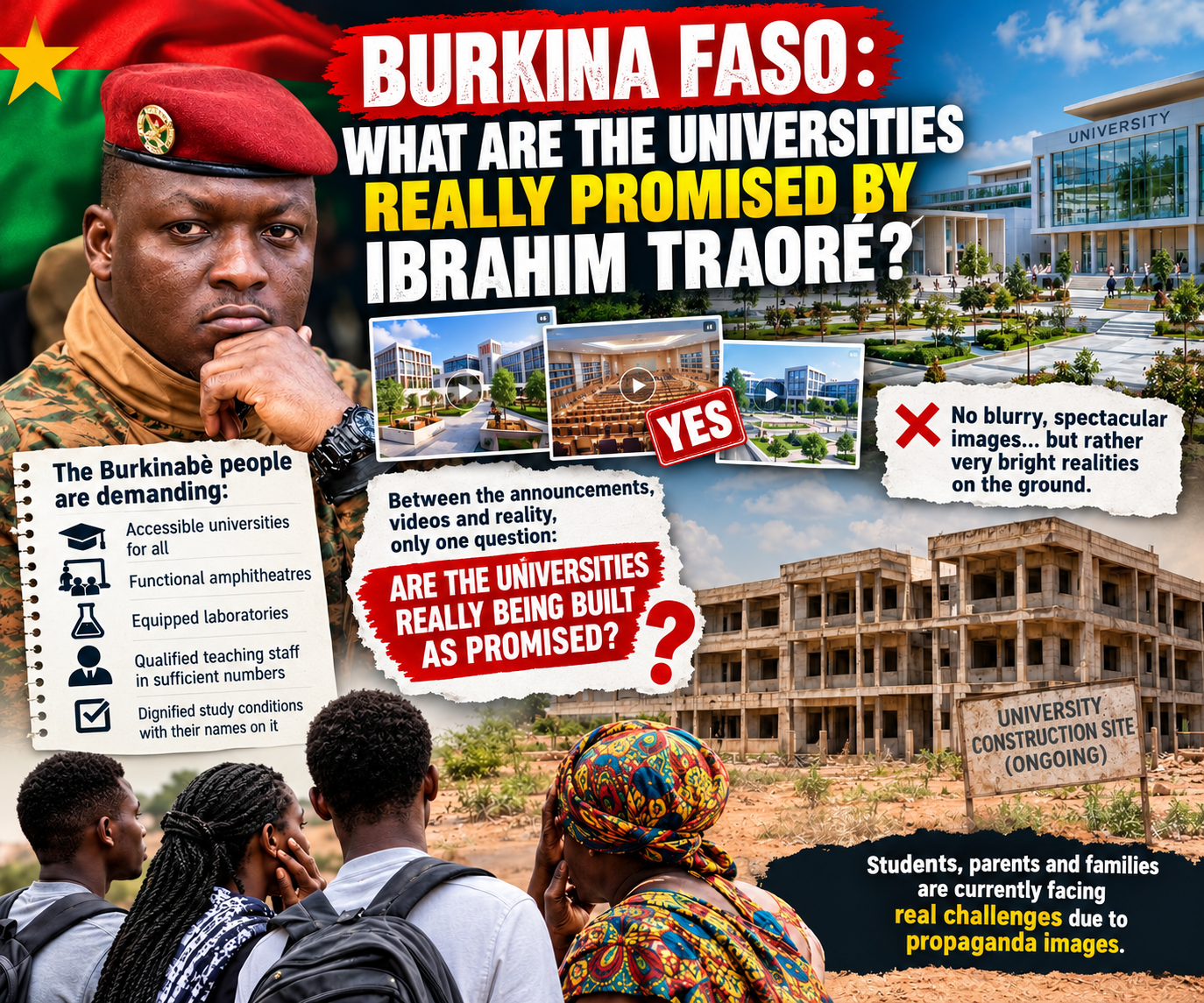
In the wake of Burkina Faso’s political narrative, a critical question lingers in the public debate: what has actually materialized from the much-publicized promises of world-class universities under Captain Ibrahim Traoré’s leadership? While social media feeds overflow with images of gleaming campuses and futuristic facilities, the families footing the bill for higher education demand tangible proof not just digital spectacles. From digital propaganda to concrete expectations Burkina Faso’s government has aggressively promoted its educational ambitions through viral content, showcasing what appear to be state-of-the-art university projects. Yet, for parents draining…
Read MoreSenegal’s political tensions rise as ruling party member threatens ousmane sonko’s life
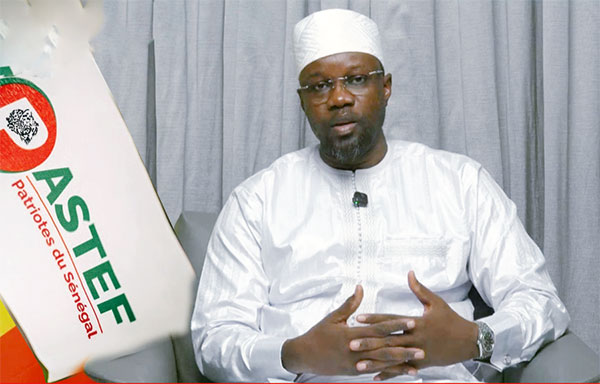
The recent inflammatory remarks by Arona Coumba Ndoffène Diouf, a prominent figure in Senegal’s ruling party Kiiraay, have exposed deeper underlying tensions threatening the nation’s stability. These statements, which include a direct call for a conspiracy to remove President Ousmane Sonko from power, underscore a troubling escalation in political rhetoric that risks undermining Senegal’s democratic foundations. How inflammatory rhetoric from ruling party members fuels instability The remarks by Ndoffène Diouf are not isolated but reflect a broader pattern of aggressive discourse emanating from the presidential camp. This rhetoric often targets…
Read MoreCameroon’s FSNC suspension: uncovering the hidden factors driving the government’s bold move
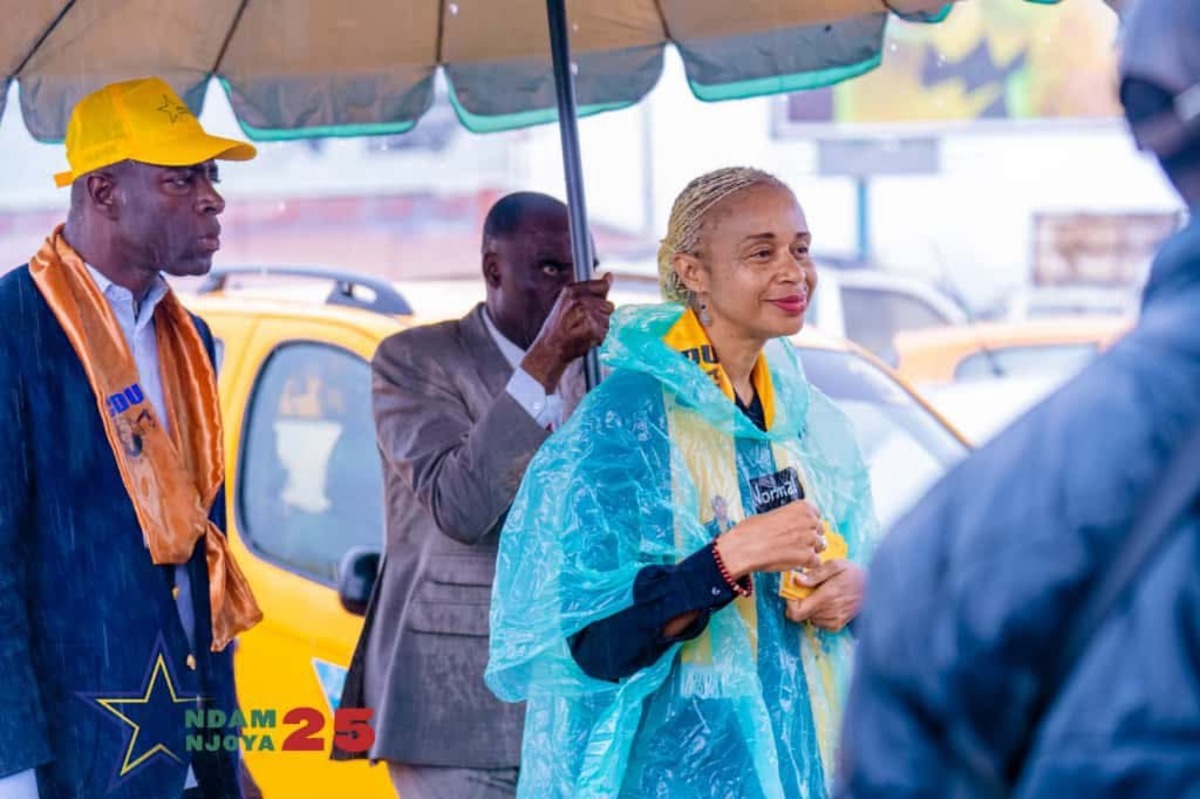
Cameroon’s FSNC suspension: uncovering the hidden factors driving the government’s bold move The recent three-month suspension of the Front for National Salvation of Cameroon (FSNC) has sent ripples through the political landscape, but what are the behind-the-scenes forces shaping this decision? While official justifications cite threats to national integrity and public order, deeper political and administrative dynamics may hold the key to understanding this controversial move. What triggered the suspension? The Cameroonian government, through Minister of Territorial Administration Paul Atanga Nji, suspended the FSNC under section 7 of the law…
Read MoreMali’s counterterrorism: how blind crackdowns fuel insurgency and erode state legitimacy
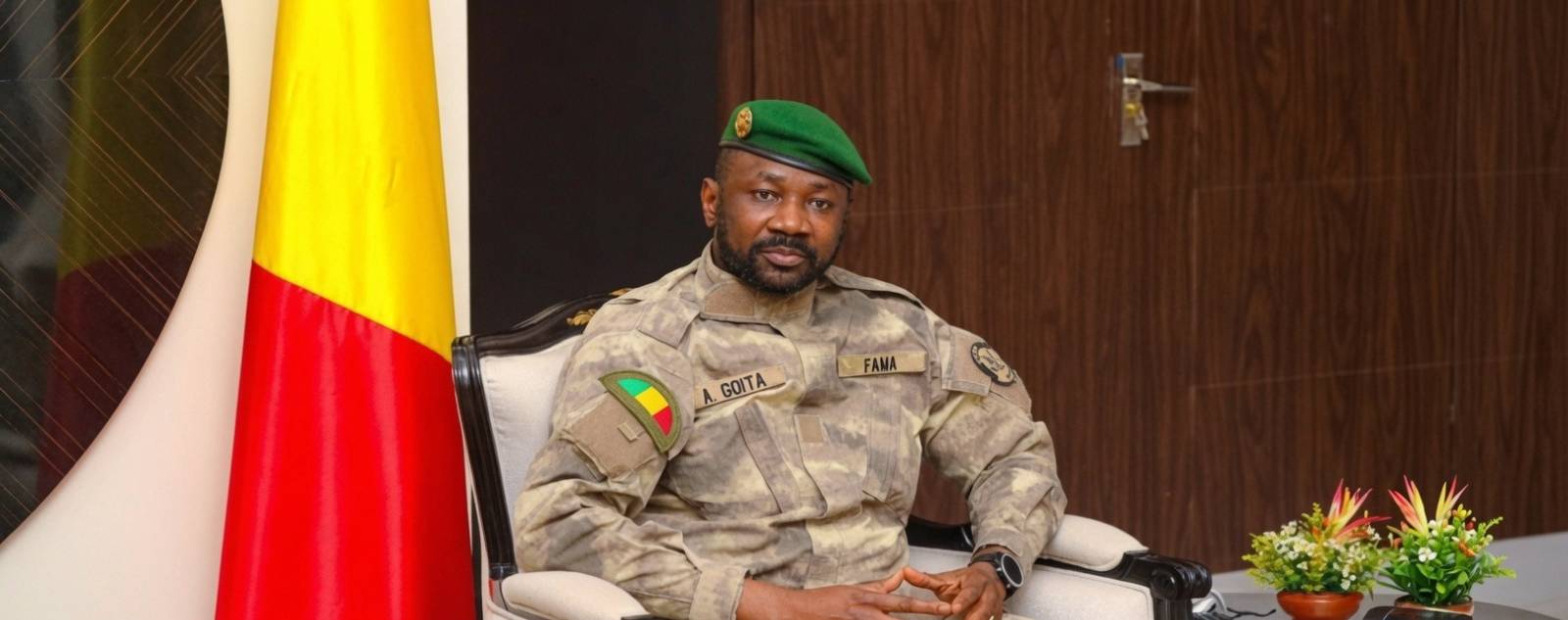
The promise of Mali’s military transition was simple on paper: reclaim control. Yet beneath the bold statements and renewed calls for sovereignty, a darker narrative is unfolding. As Malian forces and their Russian-backed Africa Corps allies pursue armed groups, international humanitarian laws are being trampled underfoot. What was intended as a fight for security has morphed into a cycle of violence, where civilians pay the heaviest price—and the insurgency only grows stronger. Broken promises and ignored legal safeguards Mali’s legal obligations are clear and longstanding. Ratified in 1965, the Geneva…
Read MoreMali’s fading leaders: how the junta reshaped power after the coup
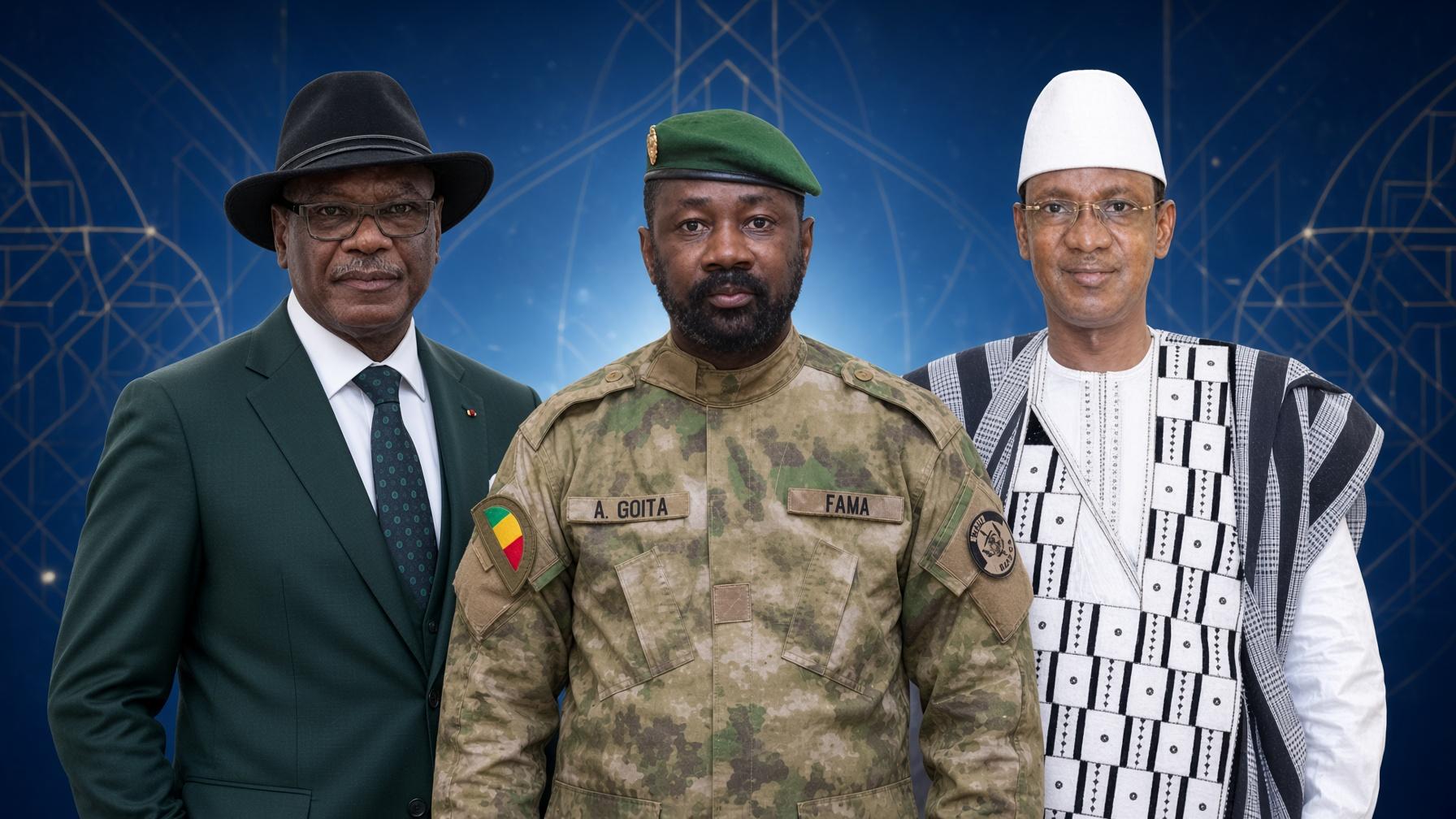
Mali’s fading leaders: how the junta reshaped power after the coup The political elite of Mali, once the architects of its democratic experiment, now face an uncertain future. Since the military junta under General Assimi Goïta consolidated power, the old guard has been systematically sidelined, their influence erased through arrests, exile, and enforced silence. As the public debate intensifies over what comes next, the fate of these figures offers a stark glimpse into Mali’s shifting power landscape. From prominence to persecution: the three pillars of political eradication The collapse of…
Read MoreRussia-Africa Summit 2026 sparks debate as Mali’s Goïta shines while AES unity questioned
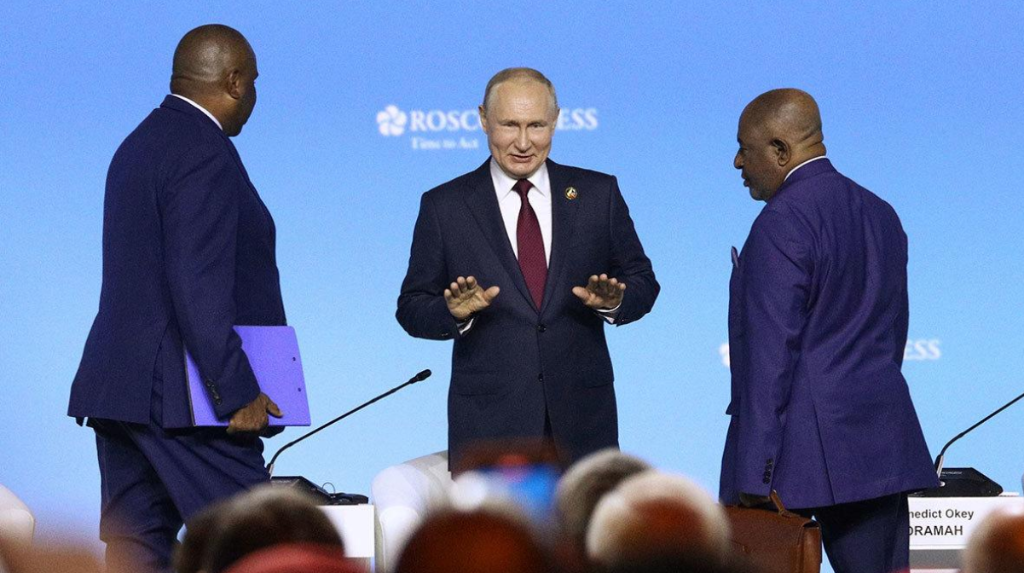
The third Russia-Africa Summit, held in Moscow on October 28–29, 2026, has exposed cracks in the Alliance of Sahel States (AES) just months after its formation. While Malian leader Assimi Goïta arrived at the forefront of a high-profile delegation, the presence of Burkina Faso’s Ibrahim Traoré and Niger’s Abdourahamane Tiani—both initially announced by Russian officials—remained uncertain, raising eyebrows across diplomatic circles. The AES at a crossroads: Mali leads while doubts linger over Traoré and Tiani The Malian president’s confirmed attendance at the summit marked a stark contrast with the absence—at…
Read More