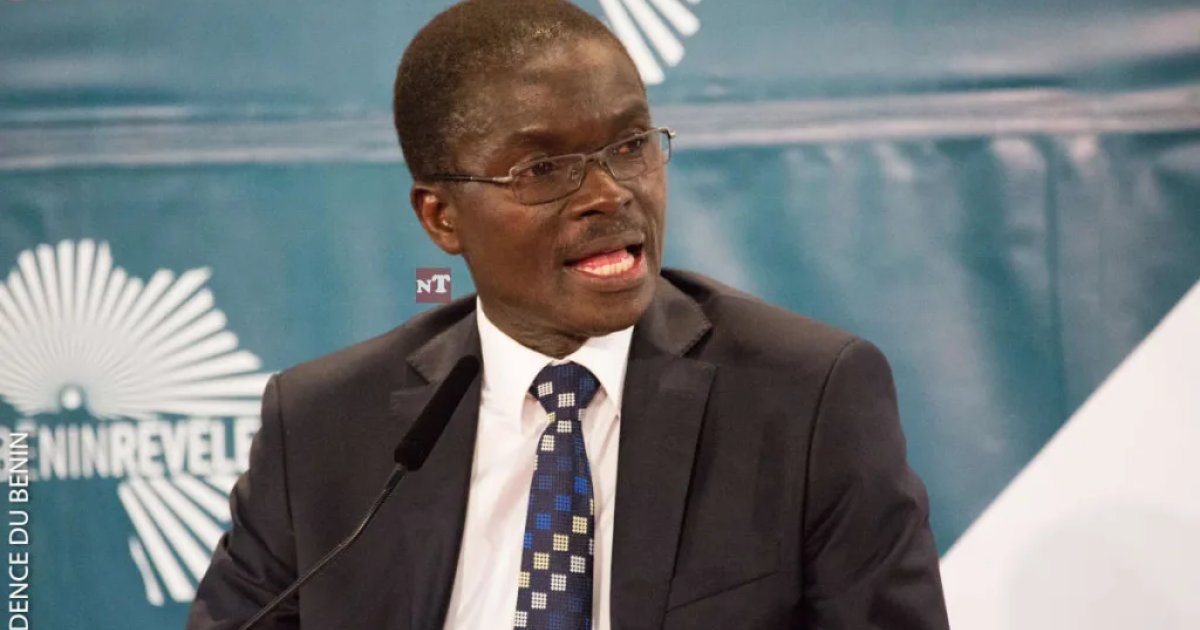
The creation of the Senate in Benin sparked constructive discussions during a forum on the rule of law and political alternation in Africa, held on August 6, 2026, in Cotonou. The event, organized by the Institute of Artisans for Justice and Peace (IAJP/Co), brought together key stakeholders to reflect on the country’s democratic trajectory.
An institution rooted in democratic resilience
Among the speakers was former Minister and Deputy Lazare Maurice Sehouéto, who championed the Senate as a pillar for strengthening democracy and political stability. Addressing concerns raised by former Deputy Kamel Bio Sika Ouassagari regarding the upper chamber’s mandate, Sehouéto emphasized the importance of grounding evaluations in legal frameworks rather than speculative concerns.
The former parliamentarian highlighted that Benin’s decision to adopt a bicameral system aligns with global democratic practices, particularly in nations that have implemented such structures to navigate periods of institutional fragility.
Lessons from international models
To reinforce his argument, Sehouéto drew parallels with established democracies:
- France: The establishment of the Fifth Republic to address ministerial instability in prior regimes.
- Germany: The design of institutional safeguards post-World War II to uphold the rule of law and prevent authoritarian overreach.
Beyond prejudice: fostering a balanced discourse
Rejecting premature judgments and unfounded accusations against the newly formed institution, Sehouéto underscored the Senate’s role in fostering political harmony, national unity, and sustainable development. He urged political actors and civil society to engage in objective, fact-based deliberations, free from misconceptions.