Benin unveils climate roadmap 2026 for resilient economy
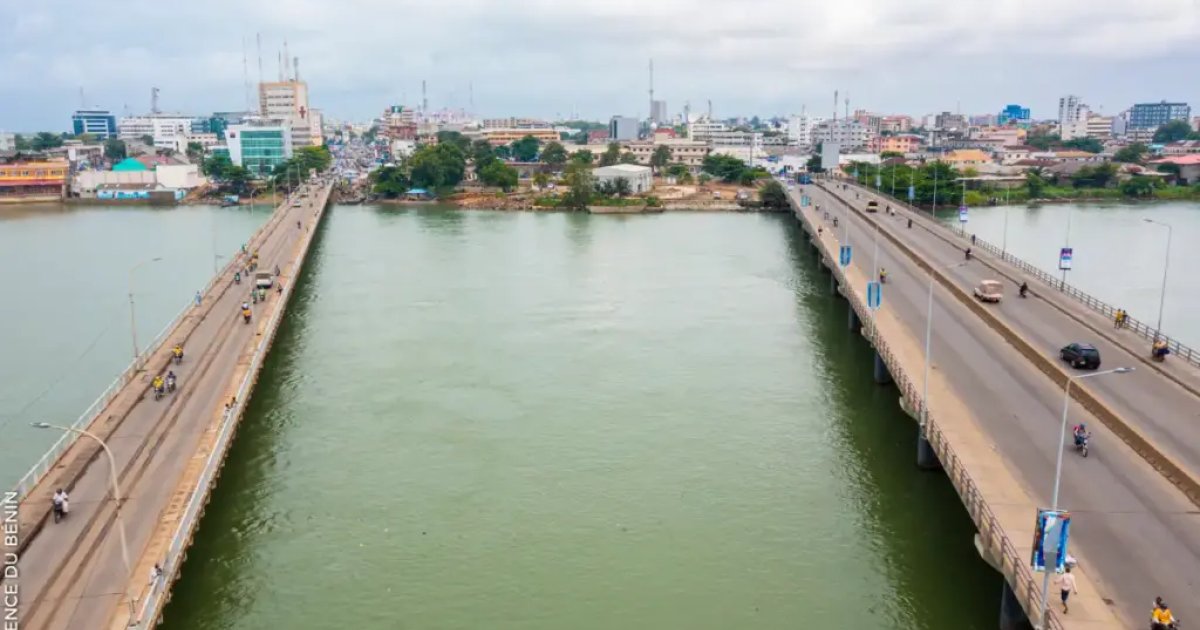
The Government of Benin has officially launched its Climate Action Plan 2026-2035, a comprehensive strategy designed to bolster the country’s economic resilience in the face of climate change. Unveiled in a high-level event held in Cotonou, this third National Determined Contribution (NDC 3.0) outlines a bold vision for sustainable development, with a projected financing requirement of $14.5 billion over the next decade.

Strategic sectors and adaptation priorities
The new climate action plan targets key sectors most vulnerable to climate impacts. Agriculture, energy, water resources, forestry, health, infrastructure, tourism, and coastal zones are central to the strategy. The plan emphasizes building resilience through targeted investments and policy reforms aimed at reducing climate-related risks.
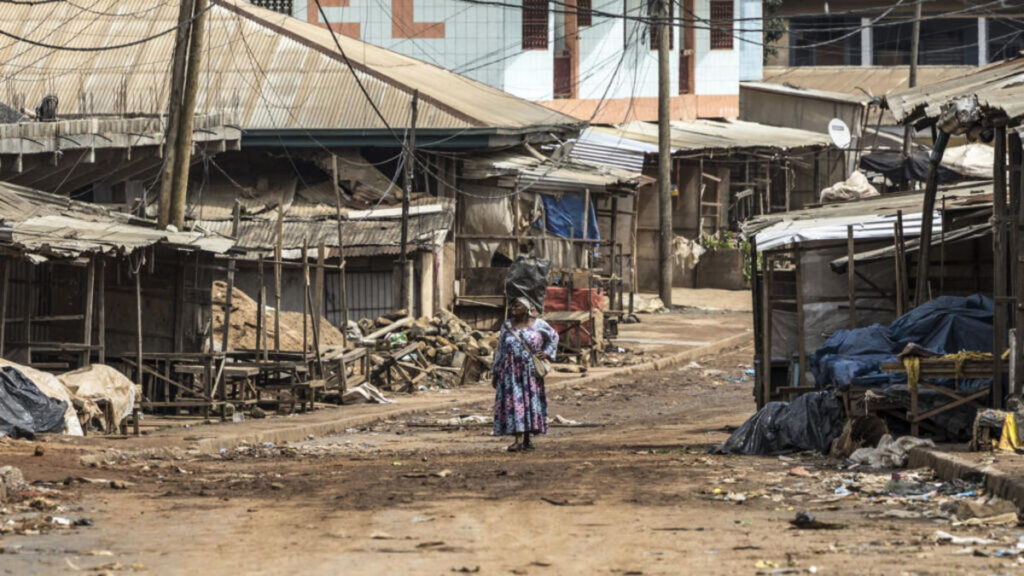
Key objectives include protecting vital infrastructure, securing livelihoods in rural and urban areas, and safeguarding Benin’s natural resources against degradation and extreme weather events such as droughts, floods, and coastal erosion.
A $14.5 billion financing challenge
The NDC 3.0 sets a financing target of $14.5 billion for the period 2026–2035. While the total funding requirement has been announced, further details—including the breakdown between public, private, and international sources—are yet to be formally disclosed. This ambitious financial envelope underscores the scale of the transformation needed to align economic growth with climate resilience.
The plan calls for strong collaboration between the government, international partners, technical agencies, and financial institutions. These stakeholders are expected to play a pivotal role in mobilizing resources, co-designing projects, and ensuring effective implementation and monitoring of climate adaptation and mitigation initiatives.
Partnerships and international engagement
The launch event brought together senior government officials, including the Minister of Environment and Sustainable Development, Georges Alé, and the UN Resident Coordinator in Benin, Aminatou Sar. Their participation highlights the multi-stakeholder approach essential to the plan’s success.
International partners, such as the German Embassy in Benin represented by Félix Kress, reaffirmed their commitment to supporting capacity building, technical assistance, and climate finance. These collaborations are seen as crucial enablers for turning Benin’s climate ambitions into on-the-ground action.
From vision to action: the road ahead
The NDC 3.0 is more than a policy document—it is a roadmap for integrating climate resilience into Benin’s development agenda. To ensure tangible results, the government must now translate these high-level objectives into concrete projects, secure sustainable financing, and establish robust monitoring mechanisms.
For Benin, this climate strategy represents a pivotal step toward balancing economic growth with environmental sustainability. As the country prepares to implement its vision for 2026–2035, the focus will be on delivering measurable impact, protecting vulnerable communities, and positioning Benin as a leader in climate action across West Africa.