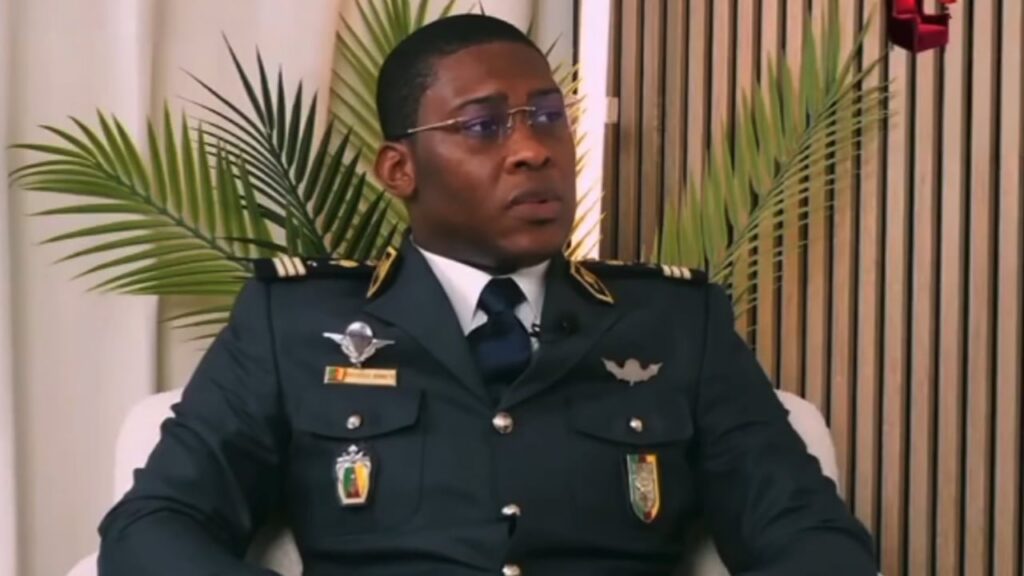

In Cameroon, a political storm has erupted following explosive allegations from a military officer. Captain Romuald Effoudou’s accusations against Ferdinand Ngoh Ngoh, a key government figure, have ignited widespread controversy and raised serious questions about transparency in the country’s leadership.
The captain’s claims, made public recently, allege serious misconduct within the highest echelons of power. These allegations have sent shockwaves through Cameroon’s political landscape, drawing intense scrutiny from both local and international observers.
Unprecedented accusations shake the nation
The allegations levelled by Captain Effoudou are not merely procedural complaints but strike at the heart of governance in Cameroon. The officer’s accusations target Ferdinand Ngoh Ngoh, a prominent official whose decisions have far-reaching implications for the country’s future.
Public reaction has been swift and polarised. While some view the captain’s statements as a courageous stand against corruption, others dismiss them as unfounded claims lacking credible evidence. The controversy has exposed deep divisions within Cameroon’s political and military circles, with debates raging over the credibility of the accusations and the motives behind them.
Who is Ferdinand Ngoh Ngoh?
Ferdinand Ngoh Ngoh has long been a central figure in Cameroon’s political scene, serving in multiple high-profile roles under President Paul Biya’s administration. His influence extends across various sectors, making him a key architect of the country’s policies and strategies.
As Secretary-General of the Presidency, Ngoh Ngoh has been instrumental in shaping decisions that affect millions of Cameroonians. His tenure has been marked by both praise for his administrative prowess and criticism for his perceived lack of accountability.
Captain Effoudou’s background and motives
Captain Romuald Effoudou, a decorated officer in the Cameroonian armed forces, has emerged as an unexpected whistleblower. His military career, spanning decades, has earned him respect among peers and superiors alike. However, his decision to go public with these allegations has left many questioning his motivations.
Some analysts speculate that Effoudou’s actions may stem from a desire to expose systemic corruption, while others suggest political ambitions behind his move. Regardless of the motive, his accusations have undeniably brought the issue of governance under the spotlight.
Reactions from the government and public
The government has yet to issue an official response to the accusations, fueling speculation and rumours. Meanwhile, civil society groups and opposition figures have seized on the controversy to demand greater transparency and accountability from public officials.
In the streets of Yaoundé and Douala, citizens are divided. Some express unwavering support for the captain, viewing him as a hero fighting against a corrupt system, while others warn against premature judgments, emphasising the need for due process and thorough investigations.
What’s next for Cameroon?
The fallout from these accusations could reshape the political landscape of Cameroon. Depending on the outcome of any investigations, the credibility of both Effoudou and Ngoh Ngoh may be scrutinised, and the public’s trust in institutions further tested.
The coming weeks will be critical in determining whether these allegations lead to meaningful reforms or deepen the existing divisions within the country. One thing is certain: the scandal has already left an indelible mark on Cameroon’s political narrative.