The Douala-Bangui economic corridor is set to receive its first wave of financing, with the World Bank approving a $425 million package to revitalize the 800 km stretch connecting Douala, Cameroon, to Bangui, Central African Republic. Construction is scheduled to begin next year, marking a significant step toward modernizing trade infrastructure in the region.
Modernizing trade routes with smarter logistics
The project aims to streamline operations and cut transit times for goods moving between Cameroon and its neighbors. Donnat Takueté, Director General of Studies at Cameroon’s Ministry of Public Works, explains: «A pre-selection system will be installed on the route. Only vehicles suspected of overloading will undergo automatic weighing at designated stations. Fines, if applicable, will be recorded and receipts printed immediately.» This digital approach is expected to reduce delays caused by manual inspections and administrative hurdles.
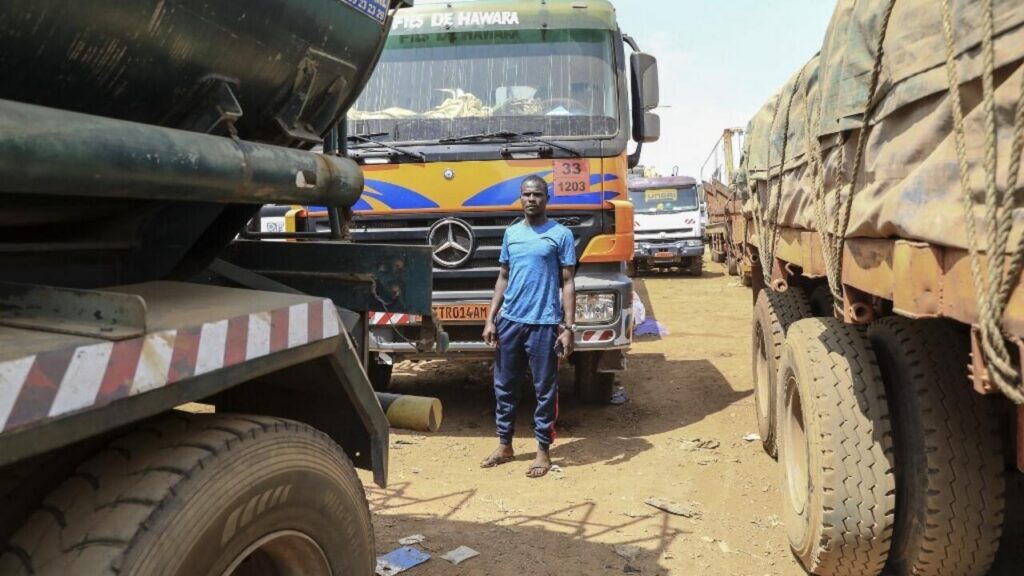
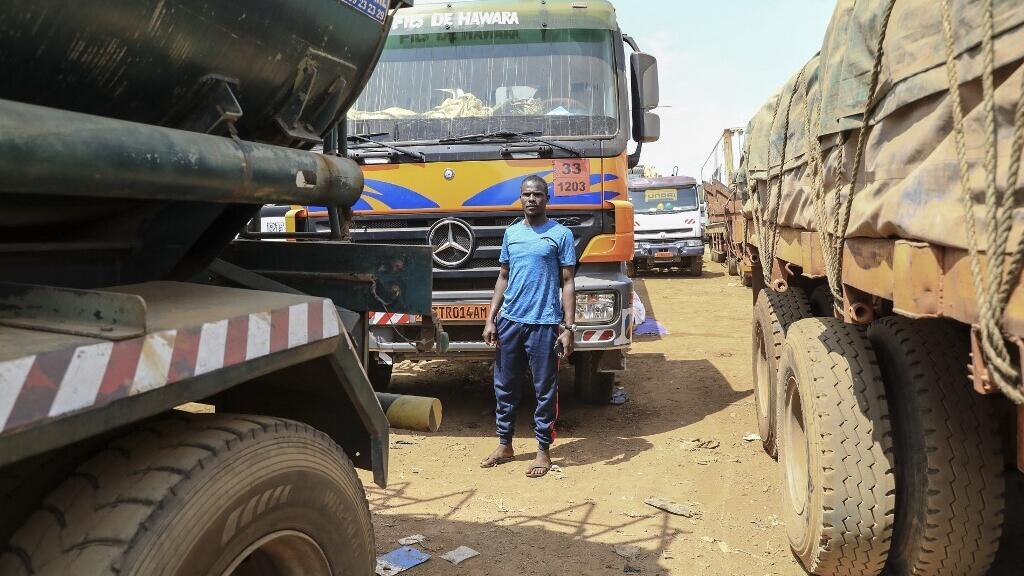
Currently, the journey from Douala to Bangui—a distance of 1,400 km—takes between 9 and 12 days, largely due to the poor condition of the road and 17 informal checkpoints along the way. The World Bank has identified these bottlenecks as major obstacles to regional trade.
Funding distribution and project scope
The initial financing will prioritize Cameroon, with $425 million allocated, followed by $90 million for Central African Republic. An additional regional support package will prepare for future phases of the project. Anne-Cécile Souhaid, Director of the World Bank’s West and Central Africa Division, highlights the broader goals: «This initiative is designed to enhance economic integration and support sustainable development across the region.»
The project includes reconstructing and rehabilitating key sections of the corridor, such as:
- Reconstruction of the Yaoundé-Douala route (215 km)
- Rehabilitation of the Yaoundé-Bonis-Ayos section (332 km)
- Rehabilitation of the Bonis-Bertoua segment
These upgrades will cover a total of 800 km of road, with work expected to generate between 2,000 and 4,000 direct and indirect jobs over several years.
Economic impact and trade facilitation
The Douala-Bangui corridor is a critical artery for regional trade, handling 80% of goods destined for the Central African Republic and 70% of those bound for Chad. The World Bank emphasizes that improving this route will not only reduce transit times but also lower operational costs for businesses, fostering economic growth in Cameroon and beyond.