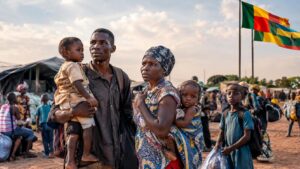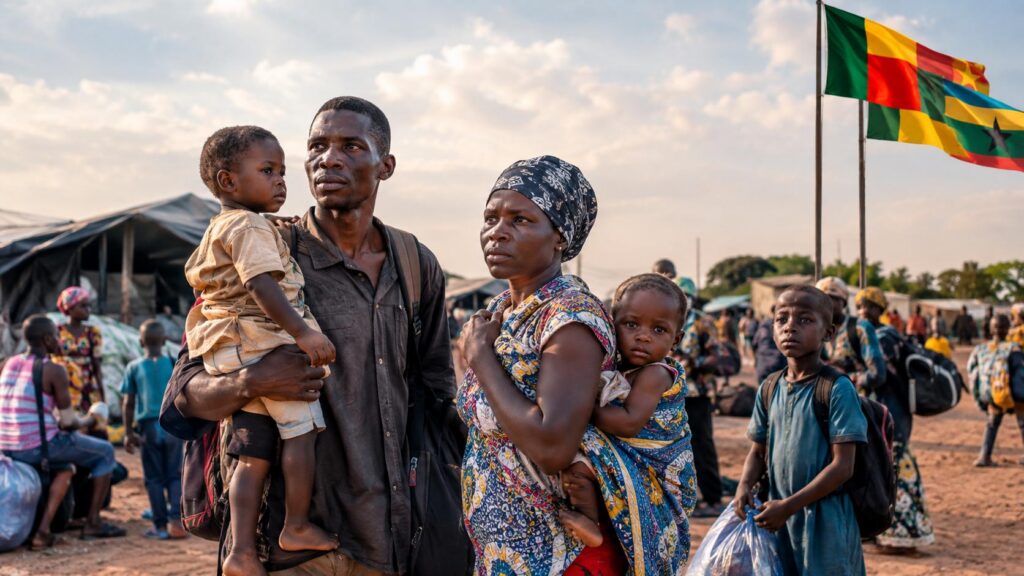
Can displaced Burkinabè truly go back to their homeland in safety and dignity? That pressing question lies at the heart of three tripartite agreements signed in Lomé on September 11 by Benin, Ghana, Togo, Burkina Faso, and the UN Refugee Agency (UNHCR). These accords aim to lay the groundwork for a voluntary, safe, and dignified return—when conditions allow. But with ongoing violence, human rights abuses, and political instability inside Burkina Faso, the stakes for getting this right couldn’t be higher.
What the Lomé agreements actually establish
The signing in Lomé doesn’t trigger immediate repatriation. Instead, it creates a cooperative framework between Burkina Faso, UNHCR, and each host country—Benin, Ghana, and Togo—to coordinate future returns if and when security improves. Key components include joint monitoring mechanisms, consultation protocols, and plans for reintegration support. Crucially, the documents reaffirm that any return must be voluntary and informed—a core principle upheld by international refugee law.
The scale of displacement across west africa
Years of escalating insecurity in Burkina Faso have forced tens of thousands to flee across porous borders. As of May 31, 2026, Benin hosted over 11,000 Burkinabè refugees. In Ghana, nearly 13,400 Burkinabè refugees accounted for roughly two-thirds of the country’s total refugee population by June 2026; Ghana had granted them prima facie refugee status in February 2025 and established reception centers in Tarikom and Zini. Togo, meanwhile, sheltered around 65,100 refugees and asylum seekers as of June 2026—with 86% originating from Burkina Faso.
Why safety at home remains uncertain
For return to be sustainable, the root causes of displacement must be addressed. Yet in Burkina Faso, armed Islamist groups continue attacks, while government forces and allied militias face mounting allegations of atrocities. Human Rights Watch documented 57 incidents between 2023 and April 2026, citing credible evidence of civilian killings, forced displacements, and systemic repression by both insurgents and state-aligned actors. Many of these abuses may amount to war crimes or crimes against humanity, the organization warns.
The role of Burkina Faso’s military leadership
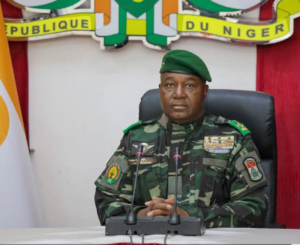
Since the September 2022 coup, Captain Ibrahim Traoré’s junta has extended the transition period and tightened control over civic space. Independent media, opposition figures, and civil society organizations face increasing restrictions. Reports from mid-2026 highlight enforced disappearances, forced conscription, and crackdowns on dissent. For refugees considering return, these realities raise urgent questions: Will they regain access to land and property? Can they obtain civil documentation? Will schools, clinics, and livelihoods be available—and will they be safe from renewed violence?
Host countries’ humanitarian burden and regional responsibility
Benin, Ghana, and Togo—despite their own economic and security challenges—have shouldered significant responsibility by welcoming those fleeing conflict. The Lomé framework acknowledges this burden while promoting regional coordination. Rather than forcing a choice between continued asylum and premature return, the agreements enable host states to prepare for potential futures without compromising protection principles today.
A roadmap, not a repatriation schedule
Ultimately, the Lomé accords are a strategic roadmap, not an operational timetable. Their success hinges not on how many refugees are sent back, but on whether those who choose to return can rebuild their lives permanently—without fear of being uprooted again. True progress will be measured by stability, justice, and restored trust inside Burkina Faso, not by diplomatic signatures alone.