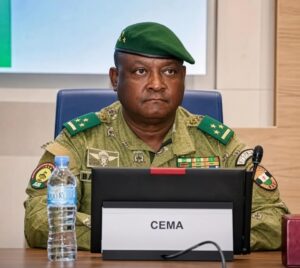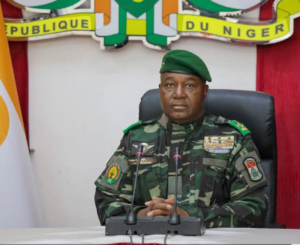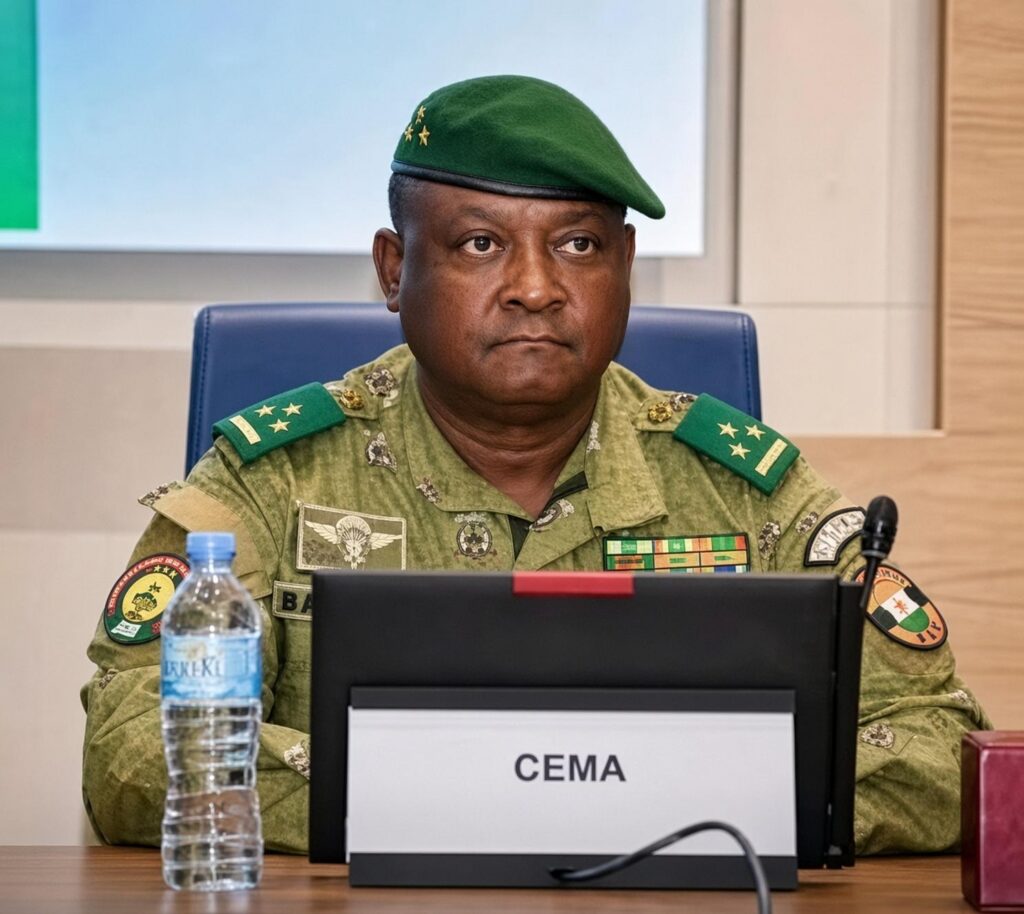
The Nigerien military leadership is reeling from a high-stakes internal rupture. Once a cornerstone of Niamey’s ruling junta, Major General Moussa Salaou Barmou now finds himself confined to house arrest—a dramatic fall from grace just weeks after an aborted mutiny shook the capital.
From coup architect to political casualty
Barmou played a pivotal role in the July 2023 ousting of President Mohamed Bazoum and had since served as Chief of General Staff of the Nigerien Armed Forces (FAN), symbolizing continuity and strength within the military regime. But everything changed following the failed uprising at Air Base 101 on August 28–29, 2026.
Though no direct evidence has publicly linked him to the mutiny, suspicions at the highest levels were enough to trigger his dismissal by presidential decree on September 11, 2026. Army General Abdourahamane Tiani swiftly replaced him with Brigadier General Mamane Sani Kiaou, former head of the army ground forces.
When suspicion becomes strategy
The move signals more than personnel reshuffling—it reflects a deepening climate of paranoia within the junta. The mutiny’s suppression, reportedly aided by Russian-aligned Africa Corps operatives, exposed fault lines across Niger’s security apparatus.
By sidelining one of its most powerful officers, the regime is sending a stark message: internal dissent—real or perceived—will be met with immediate consequences. Loyalty is no longer assumed; it must be proven under duress.
The self-destructive logic of military rule
In Niamey’s corridors of power, whispers of conspiracy mix with resignation over eroding trust. Critics argue that Barmou’s fate reveals a fatal flaw in unconstitutional regimes: they thrive on force but collapse under mutual suspicion.
Having helped install the current leadership, Barmou’s sudden isolation underscores how fragile alliances forged in coups truly are. In Niger’s escalating purge cycle, yesterday’s indispensable ally can quickly become today’s liability—and tomorrow’s prisoner.