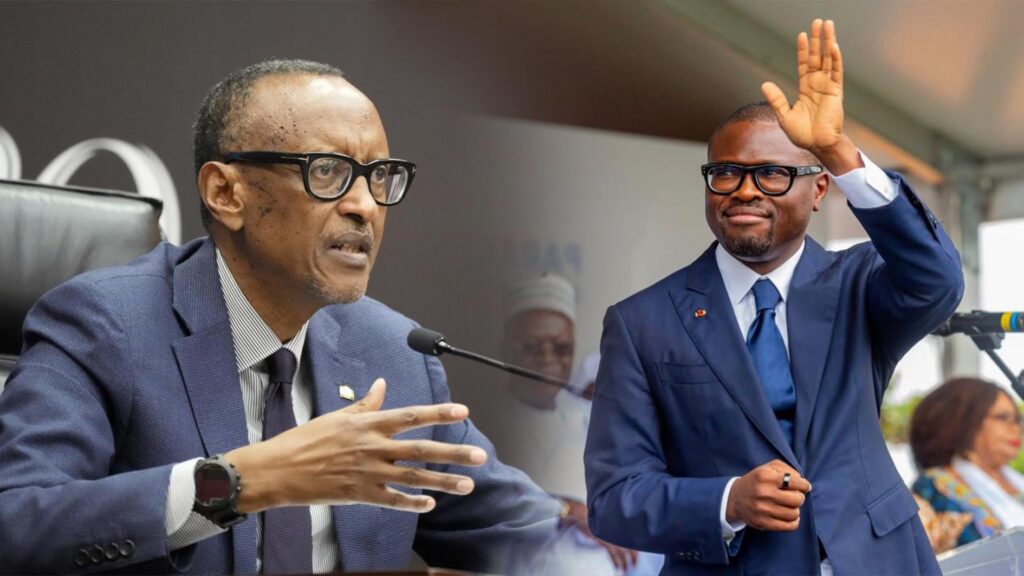
When Romuald Wadagni stepped off the plane in Kigali for his first official trip abroad since taking office in May, the question hanging over the 48-hour visit was simple: can a partnership built on shared security interests and economic ambition survive the tests of time and politics? The Beninese president’s working visit to the Rwandan capital, where he met with President Paul Kagame, signals Cotonou’s determination to keep a bilateral relationship that has become a reference point on the continent from fading into ceremonial routine.
Wadagni’s choice of Rwanda for his maiden official journey is itself a statement of intent. It underscores how central the Cotonou-Kigali axis has become to Benin’s foreign policy—a policy anchored in economic development, technological innovation and shared security. But beyond the protocol, the deeper question remains: what concrete outcomes will this renewed engagement deliver for citizens and businesses on both sides?
Security cooperation and governance dominate the agenda
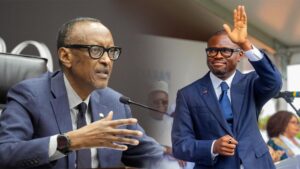
At the presidential palace, Village Urugwiro, the Beninese head of state was received with full honors before holding a private meeting with his Rwandan counterpart. The one-on-one talks gave way to a broader working session that brought in ministerial delegations from both countries.
High on the agenda was the strengthening of security ties and the modernization of public administration. On the security front, Benin and Rwanda maintain a close partnership aimed at consolidating regional stability and intelligence sharing. Both leaders reaffirmed their commitment to continued technical and logistical assistance, particularly for the protection of border areas—a sensitive issue in a region where cross-border threats persist.
On the economic and administrative side, the Beninese delegation showed keen interest in Rwanda’s models for attracting foreign direct investment and digitizing public services. Wadagni, drawing on his financial and economic expertise, stressed the importance of building pragmatic synergies between Cotonou and Kigali to boost intra-African trade. The message was clear: the partnership must move beyond symbolism and deliver measurable economic gains.
A visit steeped in memory and grassroots diplomacy
Following the tradition observed by visiting dignitaries in Kigali, the Beninese president also paid his respects at the Gisozi Genocide Memorial. He laid a wreath in homage to the victims of the 1994 genocide, praising the resilience of the Rwandan people and their ability to rebuild a prosperous and united nation.
The gesture carried weight—an acknowledgment of shared human dignity and a reminder that diplomacy is not only about deals but also about memory and mutual respect.
As Wadagni’s plane left Kigali, the strategic question lingered: will this 48-hour visit mark a turning point that deepens the Benin-Rwanda alliance for years to come, or will it remain a well-choreographed moment in a relationship that still needs to prove its durability? The answer will depend on follow-through—on whether the promises made in Kigali translate into tangible benefits for the people of both nations.