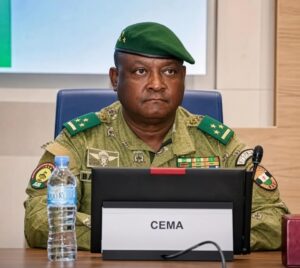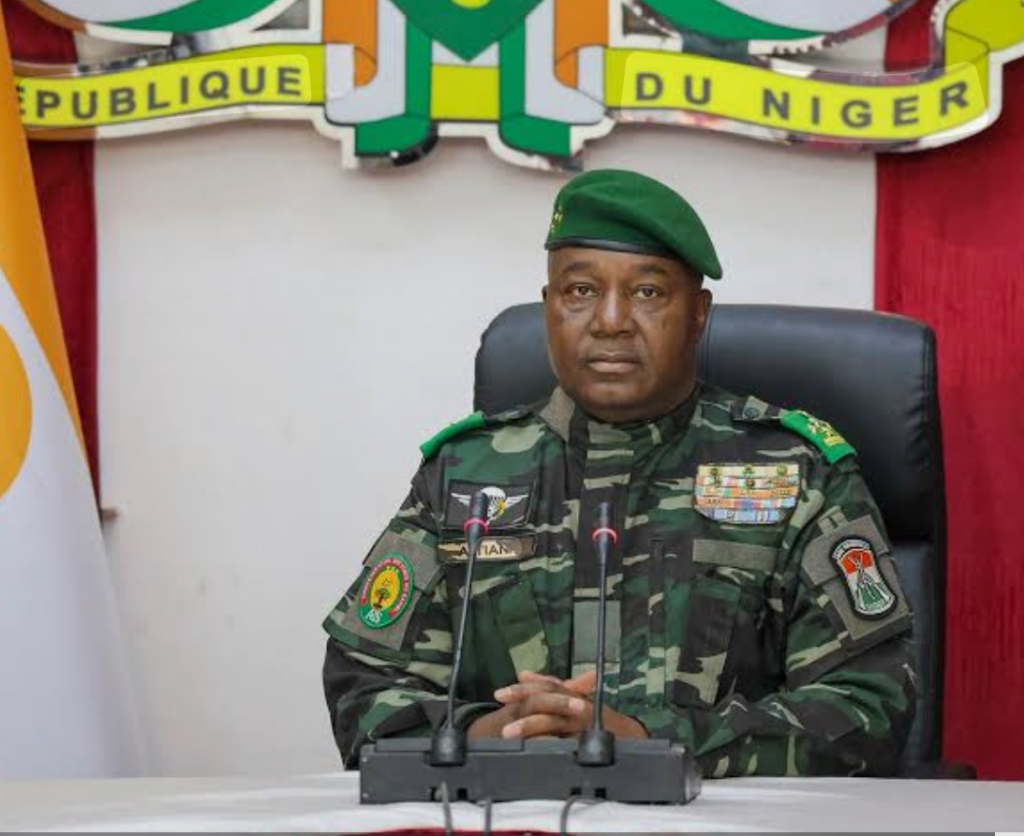
In the wake of a failed coup attempt, Niger’s military ruler General Abdourahamane Tiani has launched another sweeping government shake-up—this time firing four key ministers. But as fear drives decision-making at the highest levels, a critical question looms: is this purge a shield for survival or a self-inflicted wound hastening the regime’s downfall?
Why Tiani sees enemies everywhere
Just days after restructuring top military command posts, Tiani abruptly dismissed ministers overseeing Agriculture, Land Reform, Energy, and Communications. The move follows the botched coup on the night of August 28–29—a stark reminder that even iron-fisted control can’t guarantee loyalty within the ranks. Now, every potential rival appears suspect in the eyes of the junta leader.
The irony of a putschist fearing betrayal
There’s bitter irony in Tiani’s current predicament. He himself seized power in July 2023 by overthrowing democratically elected President Mohamed Bazoum, leveraging his position as head of the presidential guard. Today, haunted by the ease with which non-democratic regimes implode from within, he governs under constant suspicion—trusting no one, not even his closest allies.
Fractures deepening inside Niger’s military elite
The August coup attempt wasn’t an isolated incident but a symptom of deeper rifts within Niger’s armed forces. The National Council for the Safeguard of the Homeland (CNSP) no longer commands unified support. Internal tensions are escalating, and Tiani’s response—purging perceived threats rather than addressing root causes—only fuels further instability.
Civilian costs of a regime in panic mode
While Tiani reshuffles ministries to install loyalists, ordinary Nigeriens bear the brunt of chronic insecurity and economic paralysis. The original justification for the 2023 coup—improving security against jihadist groups—has collapsed:
- Rising terrorist violence: Attacks by Al-Qaeda and Islamic State affiliates have surged along border regions, claiming dozens of civilian and military lives.
- Strategic vacuum: By severing ties with international military partners, the junta left vast territories exposed and defenseless.
- Economic and humanitarian crisis: Sanctions and insecurity have crippled local markets, pushing millions into extreme vulnerability.
A dead-end strategy of fear
Replacing officials without reforming governance won’t solve Niger’s structural crises. Tiani’s reliance on purges, censorship, and patronage reveals a regime devoid of coherent policy—governing through paranoia rather than vision. Each new dismissal may tighten short-term control but erodes long-term legitimacy.
Ultimately, the CNSP’s promise of stability has given way to institutional chaos and worsening insecurity. And as the general tightens his grip out of fear, he may be accelerating the very collapse he seeks to avoid.