On August 21, 2026, a chilling new chapter unfolded in Niger’s security crisis. As worshippers streamed out of Friday prayers, heavily armed militants surrounded multiple mosques, sealed exits, and forcibly marched nearly 500 civilians into dense forest terrain. Days later, their fate remains unknown—a haunting symbol of the military regime’s crumbling promise to protect its people.
When friday prayers turn into mass abductions
Just after 1 p.m. that fateful Friday, tranquility gave way to terror. Dozens of well-armed assailants executed a coordinated operation, trapping defenseless congregants—young boys, elders, and adults alike—inside places of worship before herding them under threat of assault rifles into the surrounding wilderness.
The scale and precision of the attack suggest extensive planning. With no group claiming responsibility and no ransom demands emerging, families are left in agonizing silence, scanning the forest edges for any sign of life from their loved ones.
Sovereign promises versus ground realities
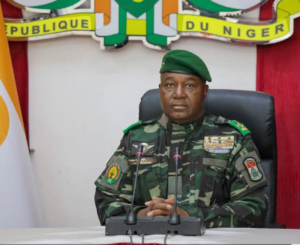
This mass kidnapping lays bare the stark gap between the rhetoric of Niger’s ruling junta and the deteriorating security conditions across the country. When the National Council for the Safeguard of the Homeland (CNSP), led by General Abdourahamane Tiani, seized power in a coup against democratically elected President Mohamed Bazoum, it justified its takeover with one central pledge: to defeat terrorism and restore state authority.
Three years on, that promise rings hollow. Anti-Western posturing and the expulsion of international partners have not yielded stronger security. Instead, Niger’s under-resourced military struggles to contain proliferating armed factions, leaving rural communities increasingly vulnerable.
How strategic voids empower insurgents
The abduction of 500 worshippers is not an isolated tragedy but a symptom of deeper state collapse in peripheral regions. By removing allied forces without establishing a viable domestic alternative, the junta created a power vacuum swiftly filled by jihadist cells and criminal networks.
Vast swaths of territory now operate without government presence. Security forces remain confined to isolated garrisons, adopting purely defensive stances. Meanwhile, civilians endure relentless violence while authorities in Niamey focus more on political consolidation than rural protection.
A leadership paralyzed by silence
In the wake of this unprecedented crisis, the CNSP’s response has been strikingly muted. Typically quick to denounce foreign interference or trumpet tactical wins, the regime has offered no clear rescue plan, negotiation strategy, or public reassurance to grieving families.
This communication vacuum erodes what little trust remains in the military government. Failing to safeguard citizens even within sacred spaces exposes the structural weaknesses of a regime more invested in geopolitical narratives than tangible security outcomes.
Niger at a dangerous crossroads
The August 21 mass abduction marks a perilous escalation. Armed groups now demonstrate they can strike large religious gatherings with impunity, far from any immediate state response. While the immediate priority is the safe return of the missing, the broader question looms larger: how long can Niger endure the growing chasm between a junta’s political ambitions and its inability to deliver basic protection?