Mali: the FLA’s Kidal pullback marks a decisive shift in the Azawad war
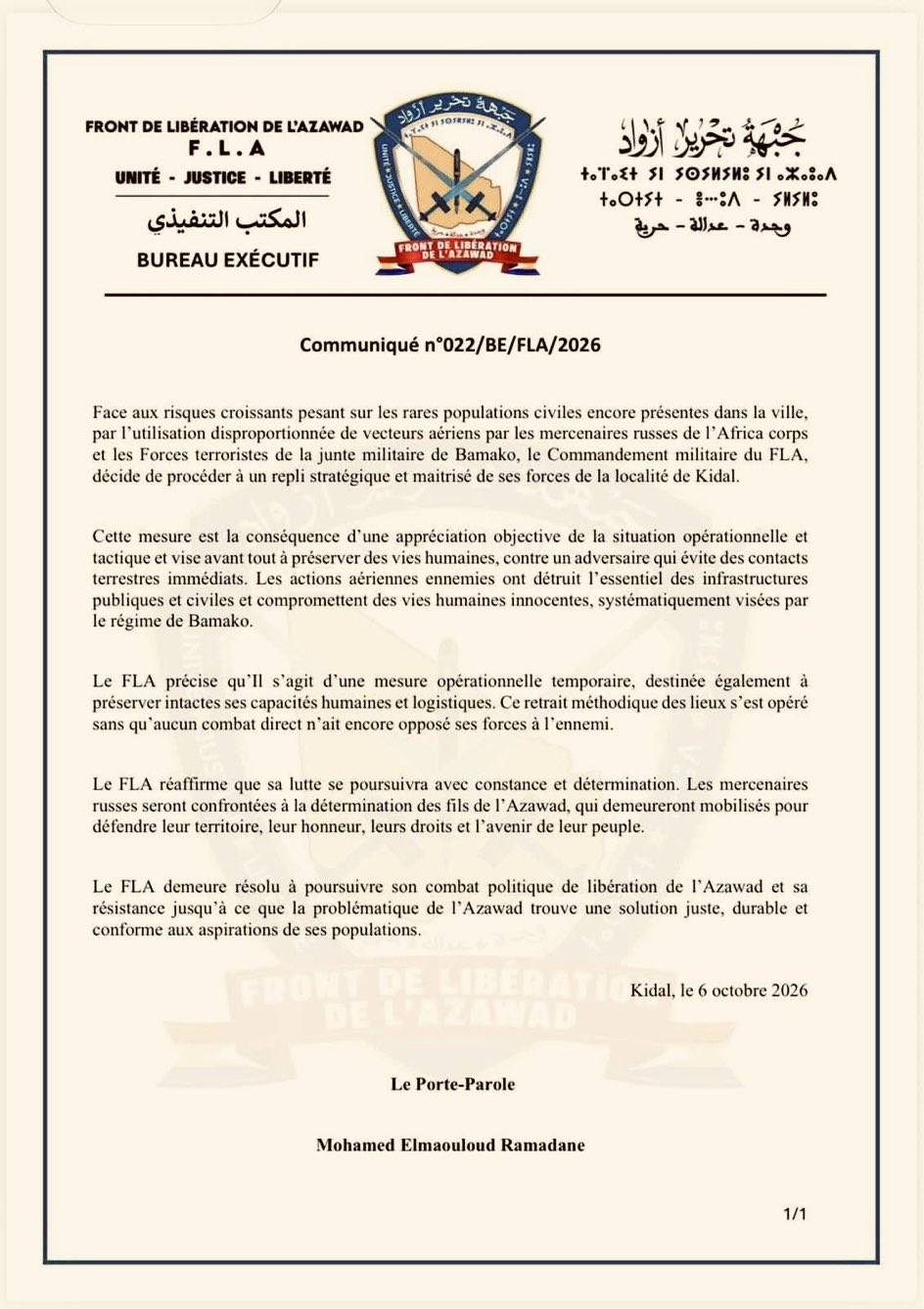
The Front for the Liberation of Azawad (FLA) has confirmed that its fighters have pulled out of Kidal, in northern Mali, framing the move as a “controlled strategic withdrawal.” The separatist movement insists its combatants left the city without any direct ground confrontation and that the decision is only temporary. This announcement opens a fresh chapter in a conflict that has, in recent years, been defined by a relentless cycle of offensives, retreats and heavy losses inflicted on Malian forces and their Russian partners. Why Kidal remains the symbolic heart…

Read More

Guinea-Bissau: a decisive crackdown reshapes the race toward December’s vote

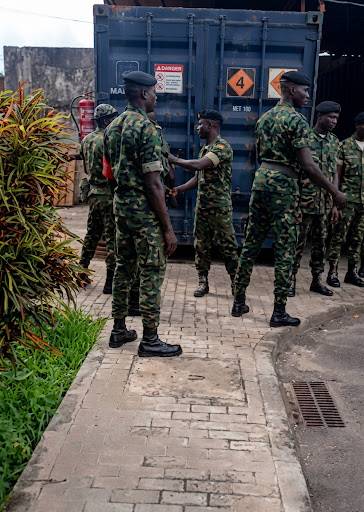
Guinea-Bissau’s military leadership has launched a sweeping disarmament campaign across Bissau, turning a security operation into a defining moment ahead of the December 6 presidential election. Security forces are searching containers and homes for weapons and ammunition, targeting caches allegedly linked to armed elements associated with former president Umaro Sissoco Embaló. The timing is critical: Embaló, living in exile in Morocco, has declared he will return and run, while the junta refuses to let him back in, citing security concerns. What unfolds in the coming weeks will determine whether this…

Read More

Burkina Faso’s digital leap: why security and schools must come first

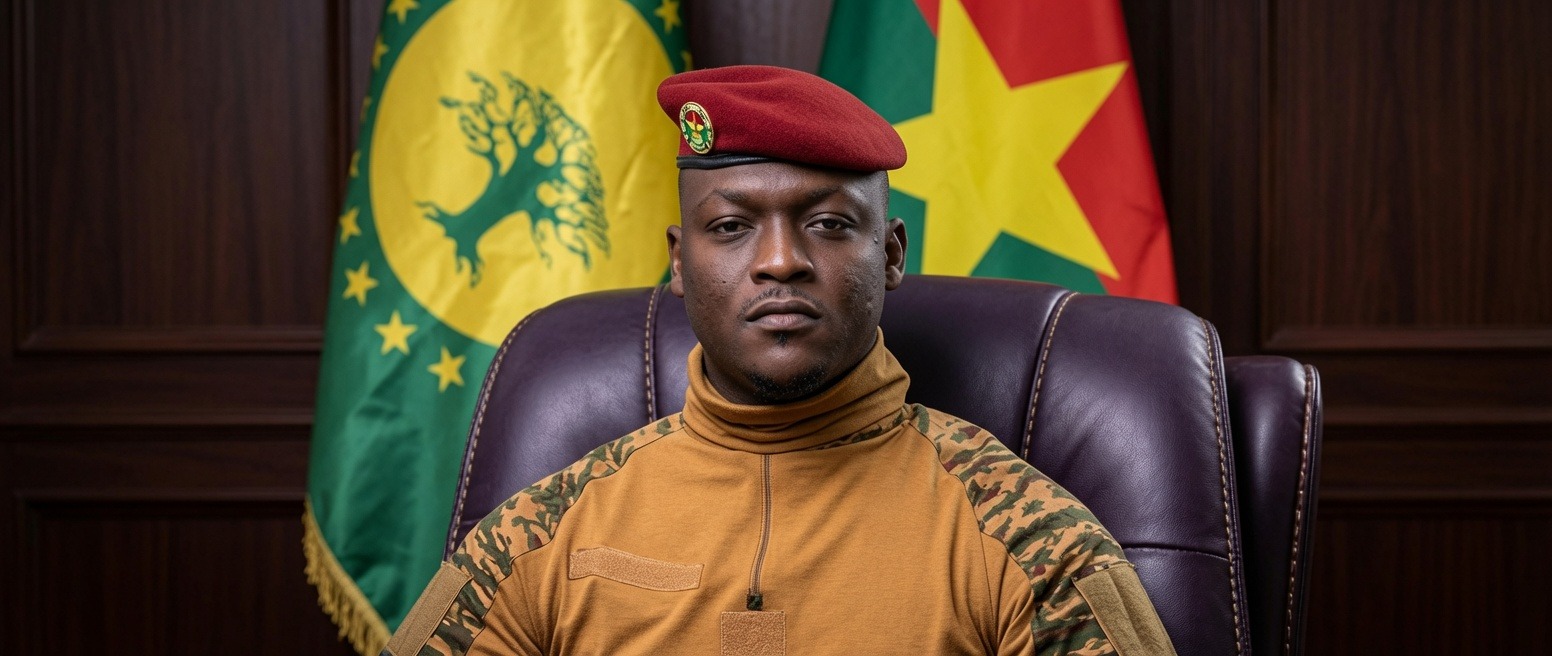
At a moment when Ouagadougou is lit up for the National Days of Patriotic Commitment and Citizen Participation (JEPPC), the transitional government is rolling out its full communications apparatus. The “Avenue of Services to the People” stands as the ideal showcase of the Popular Progressive Revolution (RPP): online criminal records, digital nationality certificates, and the computerization of Universal Health Insurance (AMU). Everything is staged to project the image of a modern, connected, and efficient state. Yet behind this technological veneer and the triumphant figures brandished at ministerial gatherings, the country’s…

Read More

Cotonou’s port hits a turning point: transit surge reshapes West African trade

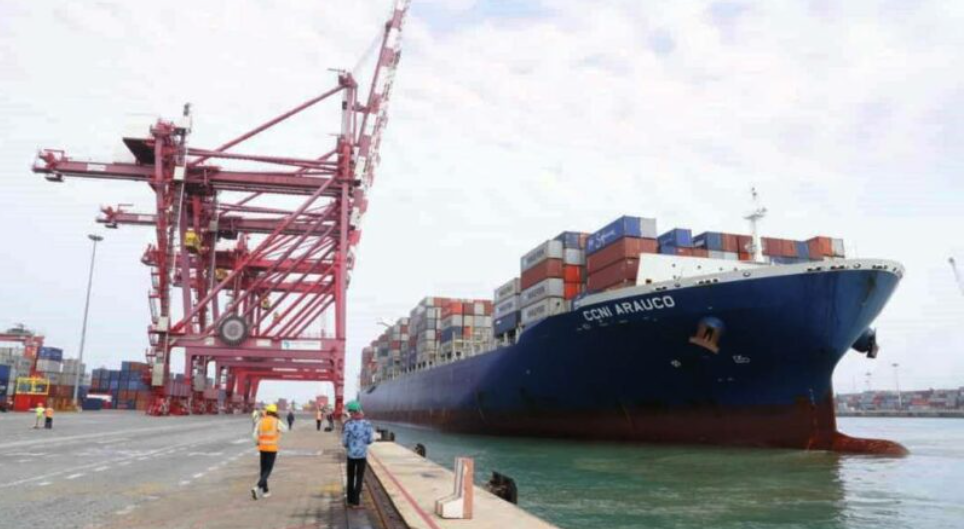
The port of Cotonou has reached a decisive turning point. What was once a steady transformation has now become a powerful momentum shift, as Benin’s maritime gateway records a spectacular jump in cargo volumes and cements its role as a regional trade platform. This breakthrough is not just a number—it signals a new era for West African logistics. A breakthrough in regional trade flows Benin’s port infrastructure is no longer content with serving only its domestic market. It is actively diversifying its outlets and pulling in new commercial streams. That…

Read More

Cameroon-Nigeria border trade surges as security turnaround unlocks billions in customs revenue

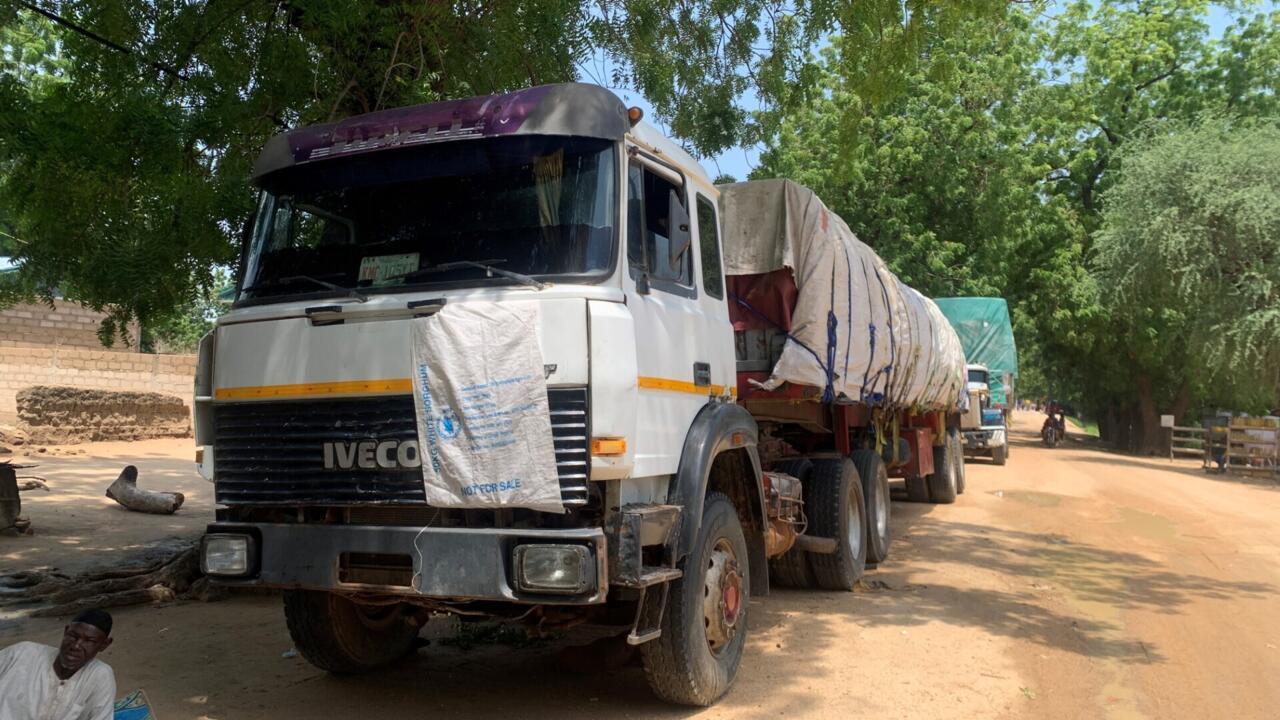
After years of Boko Haram violence that shuttered markets and severed cross-border routes, a decisive security push has triggered a dramatic revival of commerce between northern Nigeria and Cameroon’s Far North. The turnaround is now delivering billions in customs receipts and offering a lifeline to communities battered by conflict and climate shocks. A corridor reborn: from Boko Haram battleground to economic lifeline Heavy trucks from Nigeria, Africa’s economic powerhouse, line both sides of the sandy track leading into Cameroon. Not long ago, these convoys were prime targets for Boko Haram…

Read More

Niger’s uranium gamble: what the Orano fallout means for the country’s future

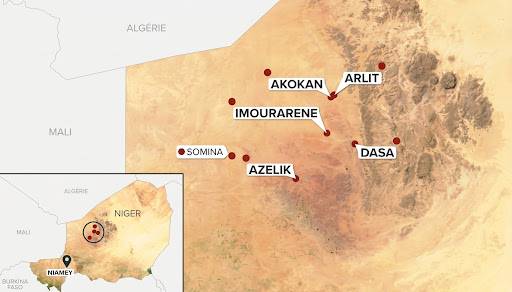
When Niger’s military government moved against Orano, the French nuclear giant that had mined the country’s uranium for more than fifty years, it triggered a rupture that went far beyond a simple corporate dispute. The nationalisation of Somaïr, the withdrawal of the Imouraren permit, a strategic opening toward Russia, and expressions of interest from China and Iran have all reshaped the landscape. Yet the most pressing question is no longer who Niger will sell to — it is what the country actually gets in return, and who benefits from the…

Read More

Cotonou summit fallout: can Algeria’s African push survive closed borders?

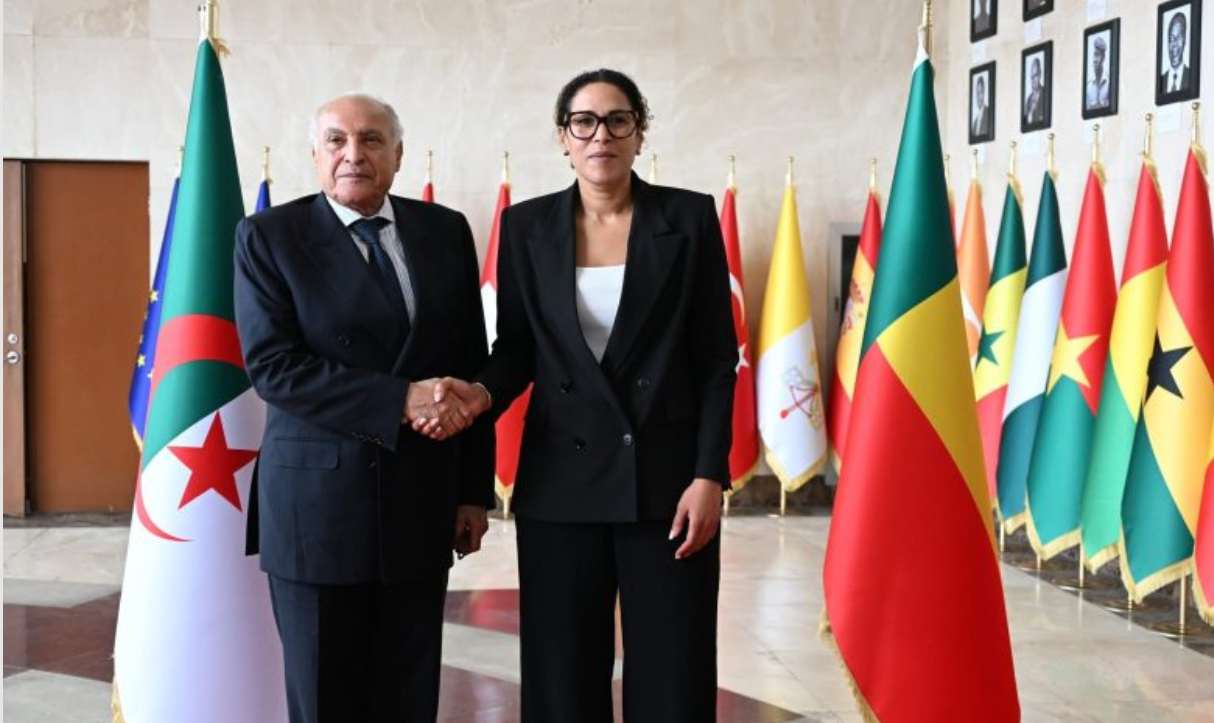
The Algerian delegation’s participation in the Benin Deal Room 2026, held from 16 to 18 September in Cotonou, has sparked a broader debate about the future of South-South cooperation. The multisectoral team — covering pharmaceuticals, energy, infrastructure and public enterprises — signalled Algiers’ determination to turn its African presence into tangible economic deals. Yet the fallout from this push raises a difficult question: how can trade between African nations intensify when key borders remain shut? The still-closed frontier between Niger and Benin stands as the most glaring contradiction to the…

Read More

Igbokoda ATR-42 crash: mounting questions and a nation waiting for answers

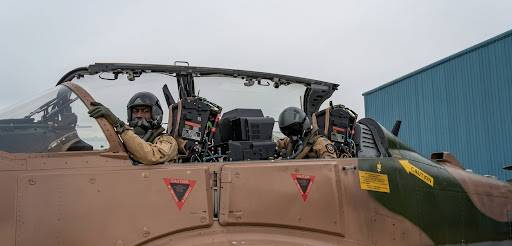
The crash of a Nigerian Air Force ATR-42 near Igbokoda, in Ondo State, has triggered an outpouring of grief, confusion and hard questions across southwestern Nigeria. With 32 people reported on board — 25 passengers and seven crew members — the disaster has become the subject of intense public debate, and the pressure on the authorities to deliver clear answers is growing by the hour. What happened in the skies between Benin City and Lagos, and what comes next, is now the central concern for families, communities and a country…

Read More

Cotonou’s port strategy shifts as Burkina Faso traffic nears one million tonnes, sparking regional debate

The diplomatic rift between Benin and Niger has upended traditional trade routes across West Africa, yet the port of Cotonou has not only weathered the storm — it has emerged with a new lease on life. By redirecting its transit flows toward alternative landlocked markets, the Beninese platform has found a fresh anchor in Burkina Faso. In 2025, close to one million tonnes of goods, overwhelmingly petroleum products, moved through Cotonou en route to the Sahelian nation. Early figures for 2026 suggest the momentum is far from fading: the port…

Read More

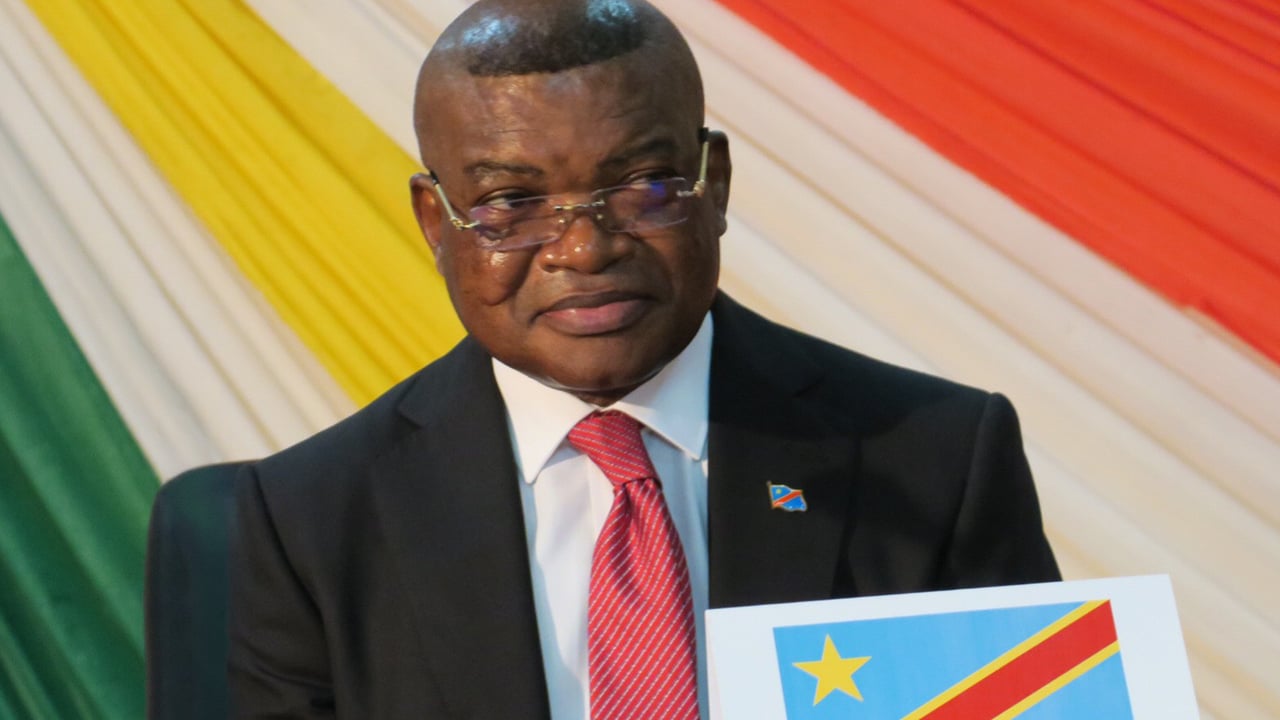
Kalev Mutond’s death: fallout, debate and what lies ahead for DR Congo

The death of Kalev Mutond, former head of the Democratic Republic of Congo’s intelligence agency, has sparked widespread reaction across the country. The announcement, made today, has ignited a public debate about his legacy and the future of the nation’s security apparatus. As tributes and criticisms pour in, questions loom about what comes next for the DRC’s intelligence community and the political landscape shaped by his tenure. Who was Kalev Mutond? Kalev Mutond served as the administrator general of the National Intelligence Agency (ANR) from 2015 to 2019, under the…

Read More

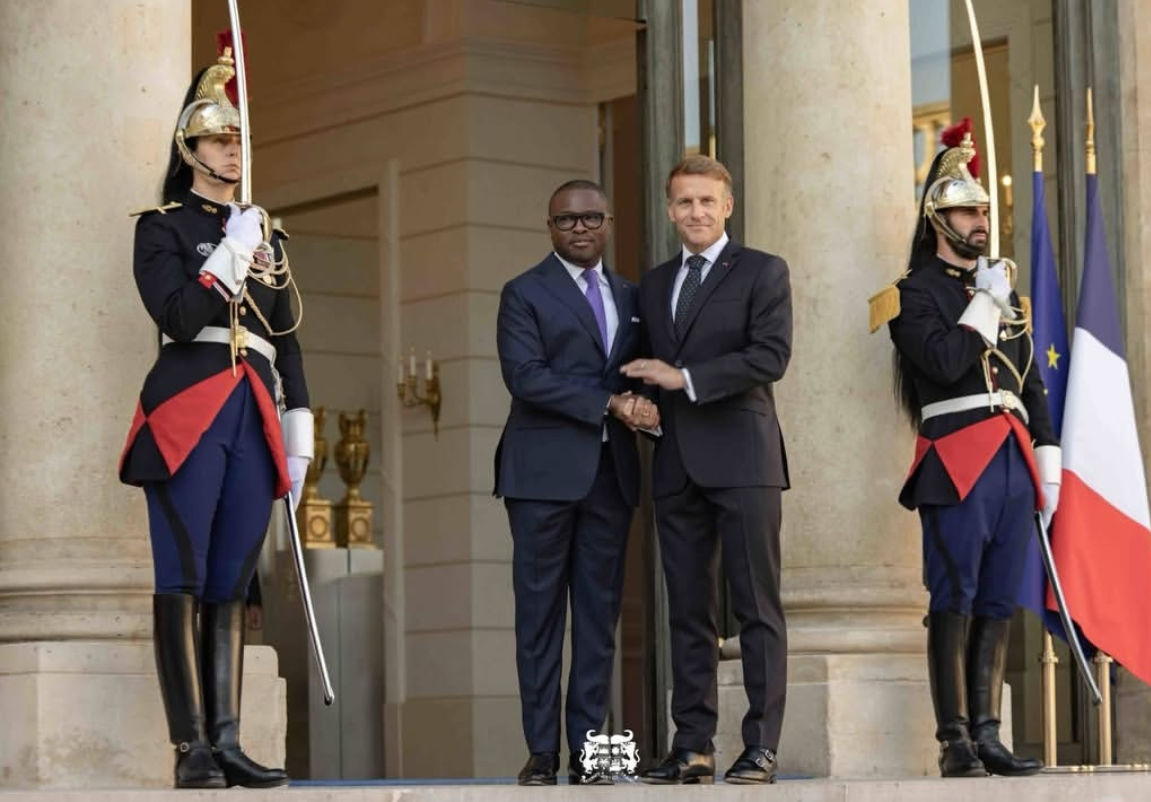
Benin’s 65.5 billion CFA franc deal with France sparks debate over impact and next steps

The announcement of 65.5 billion CFA francs in French and European financing for Benin has triggered a wave of reactions and opened a fresh debate about what comes next. The agreements, presented during a ceremony at the Élysée Palace on Monday, October 5, 2026, have drawn attention not only for their size but also for the questions they raise about implementation, accountability, and the real impact on the ground. A partnership under scrutiny The cooperation between Benin and France has entered a new phase, but the fanfare surrounding the Élysée…

Read More

Benin’s anti-trafficking overhaul draws $250,000 US boost — and a fresh debate about what happens next

Washington has committed $250,000 to strengthen Benin’s fight against human trafficking, handing over a set of new instruments designed to sharpen case tracking, speed up victim identification and streamline the way survivors are supported. The tools were formally presented to the National Committee for the Fight against Trafficking in Persons (CNLTP) on 16 September 2026, with the US Embassy in Cotonou going public about the initiative on 2 October. What the package actually contains The funding is meant to give Beninese institutions more effective means of documenting trafficking cases, identifying…

Read More