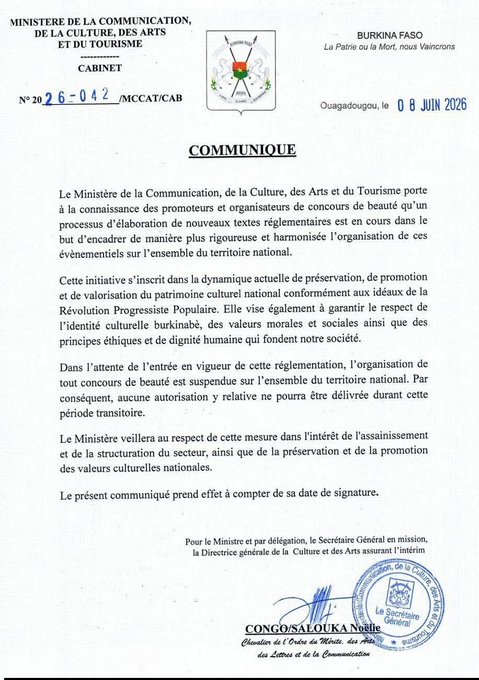
An official note has sent shockwaves through Burkina Faso. The government announced the indefinite suspension of all beauty pageants nationwide. While authorities cite the need to protect ‘cultural values’ and respect the ongoing security crisis, a closer look reveals a darker reality: the gradual entrenchment of a disguised dictatorship. Political Diversion at Play In a country facing severe security challenges and chronic humanitarian instability, the timing and target of this decision raise questions. Why target beauty queens when the priority should be reclaiming territory? Many observers in the region see…
Read MoreCategory: Analysis
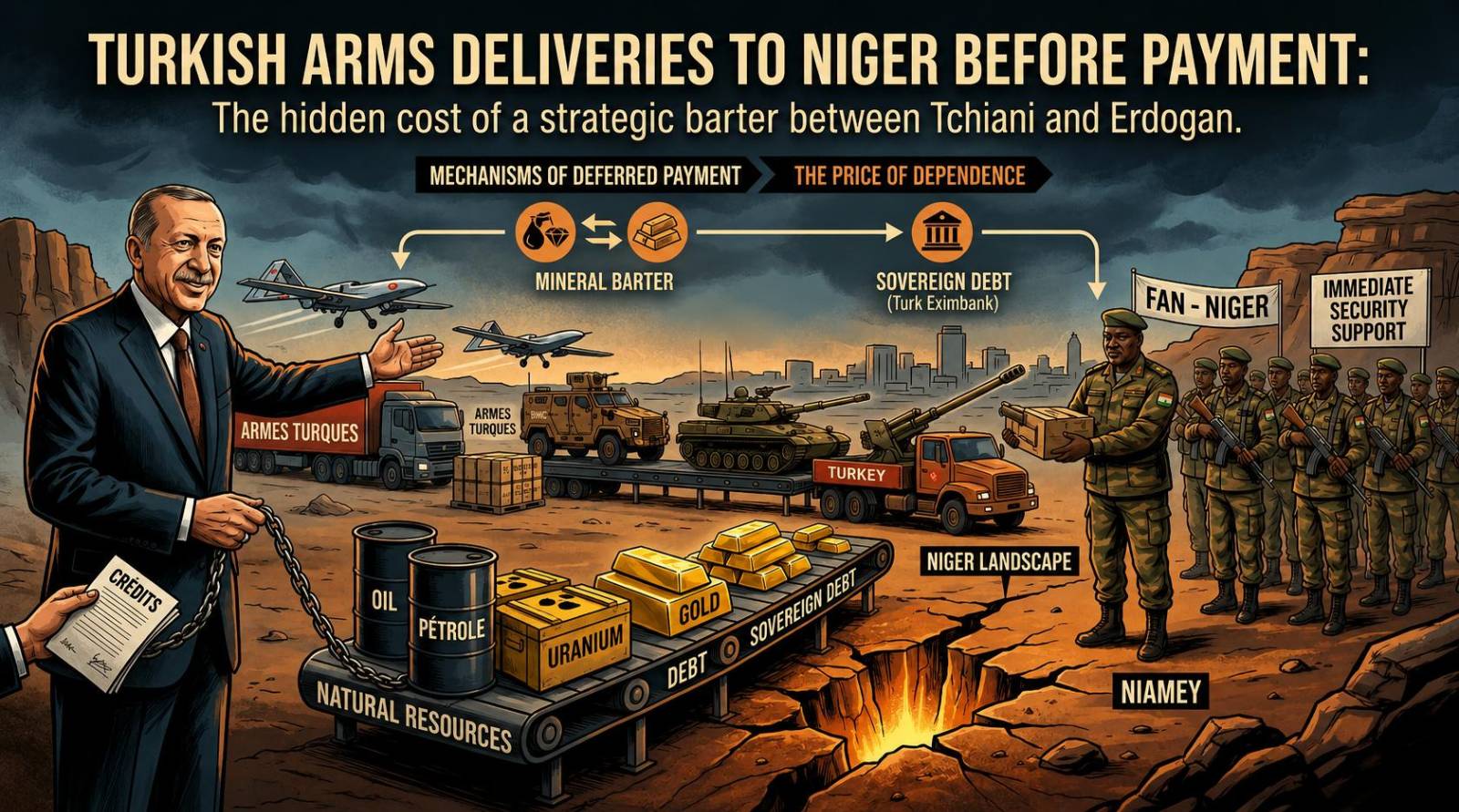
Turkish arms delivery to Niger before payment reveals hidden costs of strategic deal
The Strategic Exchange Between Niamey and Ankara During an official visit to Ankara, General Abdourahamane Tchiani disclosed a remarkable development: Recep Tayyip Erdogan had instructed the delivery of military equipment to Niger prior to any financial settlement. While Niamey’s leadership presents this as an act of solidarity, the deviation from international arms trade norms exposes a deeper partnership that compromises a portion of Niger’s sovereignty. The international defense market operates under strict financial safeguards. Defense manufacturers typically demand substantial upfront payments before releasing any equipment. The announcement made by Niger’s…
Read MoreMoscow’s clandestine air operations in the Sahel: a gateway to continental influence
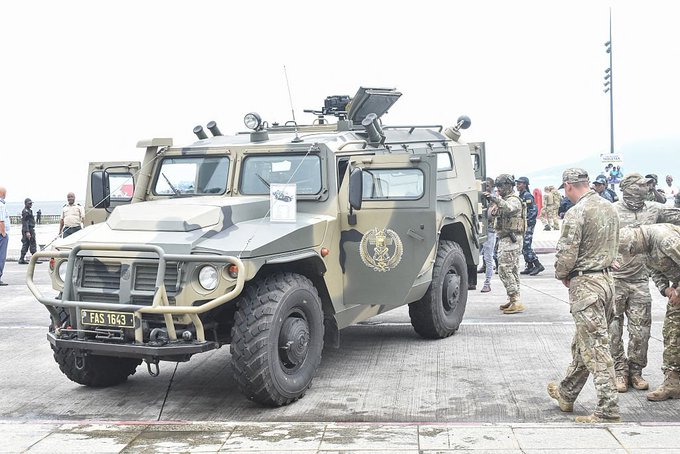
Beyond the extensively publicized deployment of Africa Corps paramilitaries across the Sahel region, a far more discreet and intricate logistical apparatus is actively operating in the shadows. While global attention remains fixed on uniformed personnel, Moscow is systematically establishing a strategic aerial infrastructure that extends well beyond mere security assistance. Central to this sophisticated arrangement is a secretive fleet of Russian cargo aircraft, swiftly dubbed « Air Wagner » by expert intelligence analysts. Operating under the guise of defense agreements with nations forming the Alliance of Sahel States (Mali, Burkina…
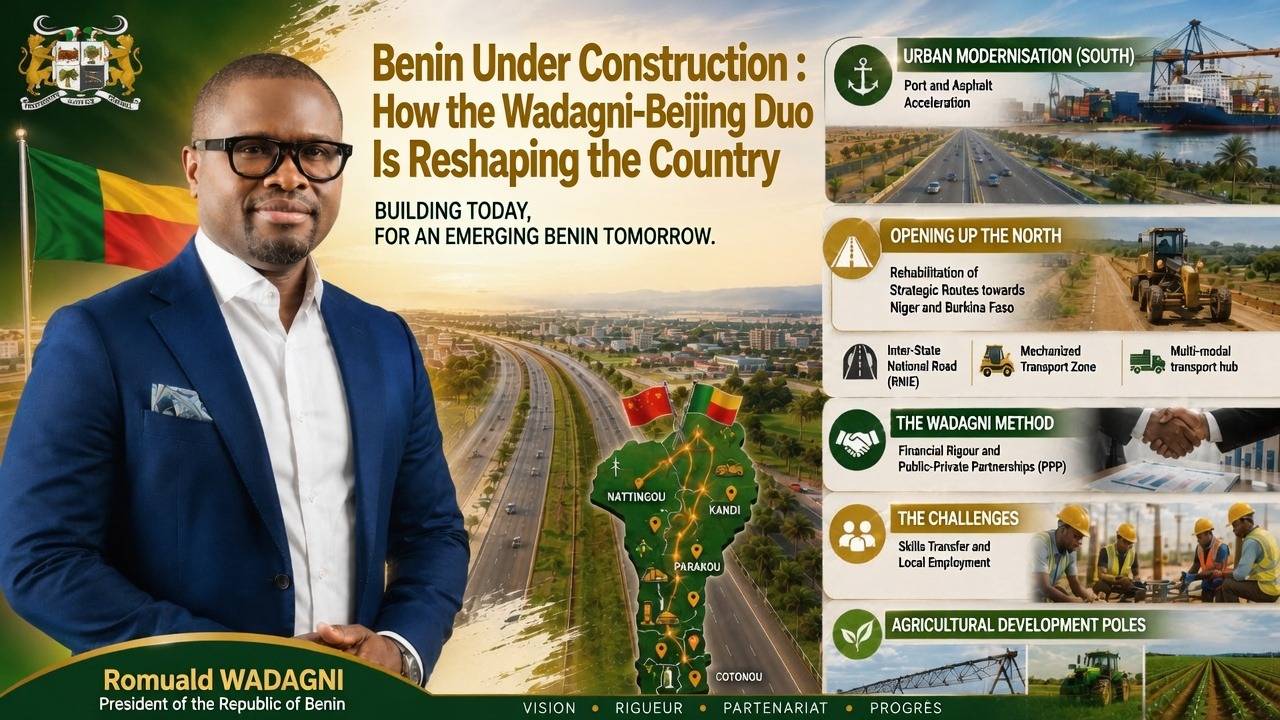
Read MoreBenin’s infrastructure renaissance: president Wadagni’s strategic alignment with Beijing
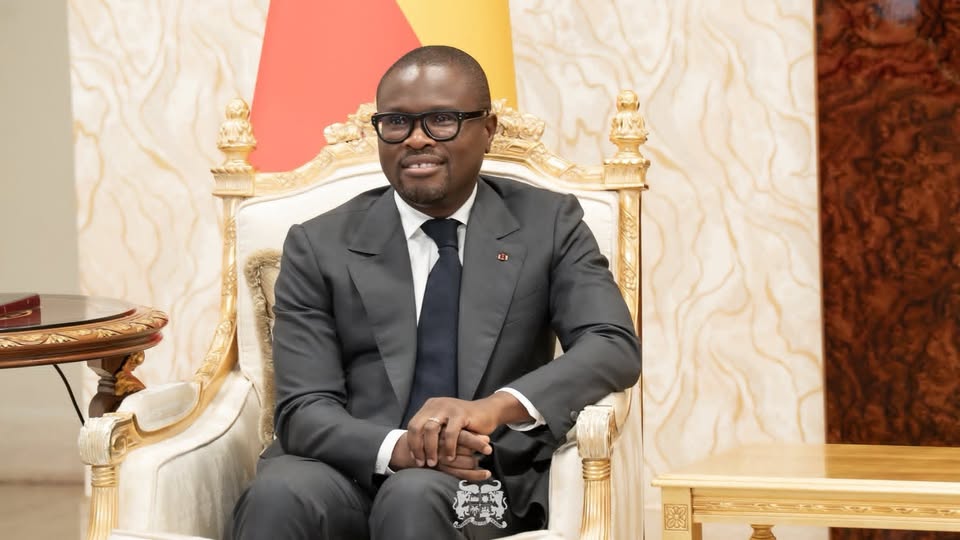
Under the leadership of President Romuald Wadagni, Benin is embarking on a pivotal phase in its national development strategy. Central to this new chapter is the invigorated partnership between Benin and China, manifesting in a renewed focus on significant infrastructure projects spanning Cotonou and the nation’s northern territories. A clear directive was issued within the initial months of his presidency. President Wadagni, a former national finance minister renowned for his stringent macroeconomic policies, is determined to leave an indelible mark on the country’s landscape. To achieve this, Cotonou is intensifying…
Read MoreMorocco most exposed north African economy to Hormuz oil crisis, analysis shows
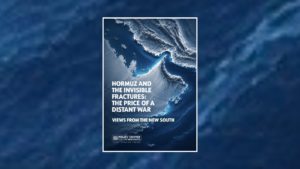
A collective analysis explores the global fallout of the Iran–United States conflict A newly published collective work titled “Hormuz and the Invisible Fractures: the Price of a Distant War” examines the geopolitical, economic, and security consequences of the conflict pitting Iran, the United States, and Israel against each other, along with tensions around the Strait of Hormuz. Featuring contributions from international experts including Abdelhak Bassou, Ferid Belhaj, Ian Lesser, Hafez Ghanem, Hinh T. Dinh, and Rida Lyammouri, the book looks at how the war affects different parts of the world,…
Read MoreNiger’s Ténéré desert: a hidden graveyard for migrants bound for Europe
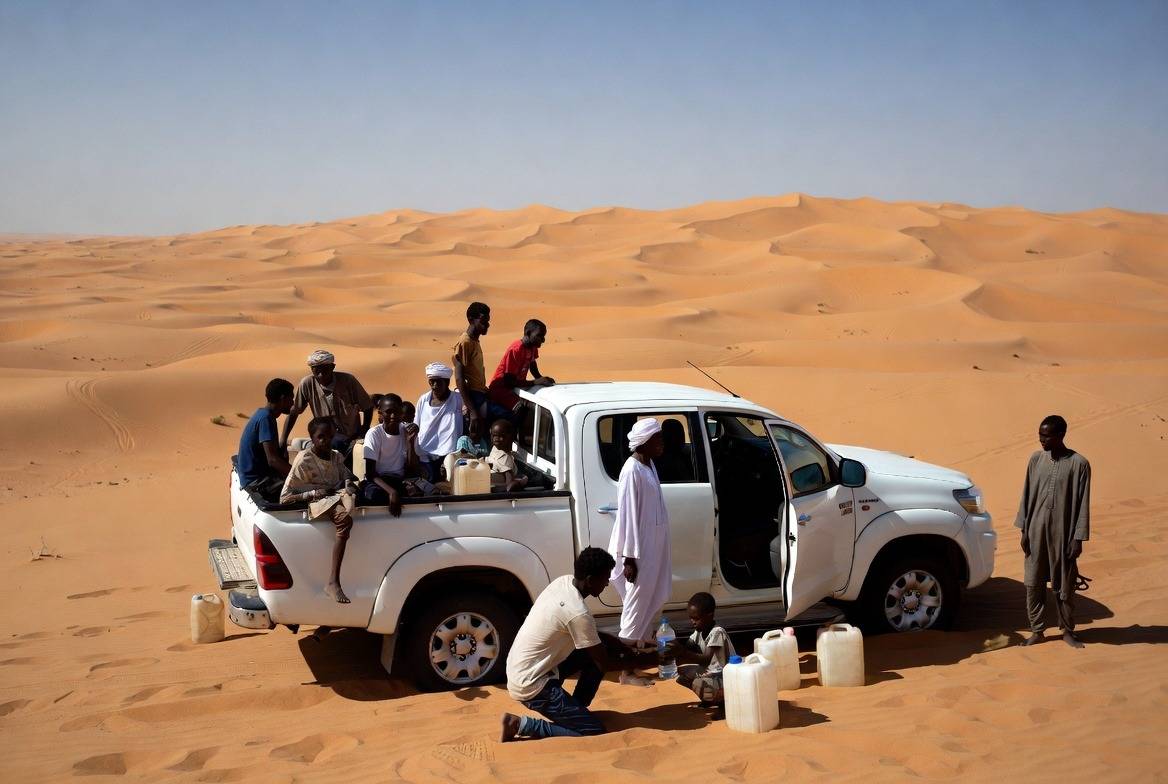
The vast, unforgiving sands of northern Niger have once again become the backdrop for human tragedies unfolding far from the watchful eyes of the Western world. While media attention frequently fixates on shipwrecks in the Mediterranean Sea, the Sahara crossing grows deadlier each year for thousands of exiles, claiming lives in numbers that rival those lost at sea. The year 2025 proved no exception to this grim pattern. Data compiled by the NGO Alarme Phone Sahara, a network dedicated to migrant alert and support, records at least 35 fatalities in…
Read MoreBénin’s economy minister concludes extensive West African diplomatic tour
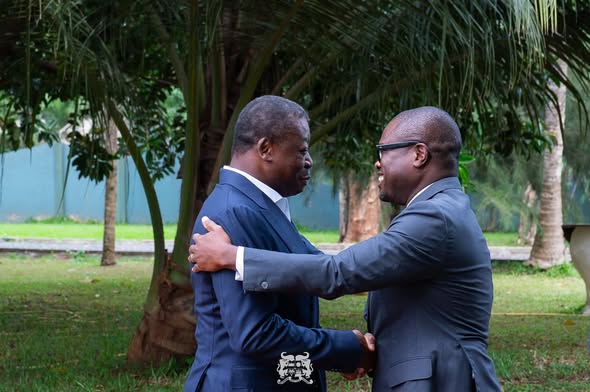
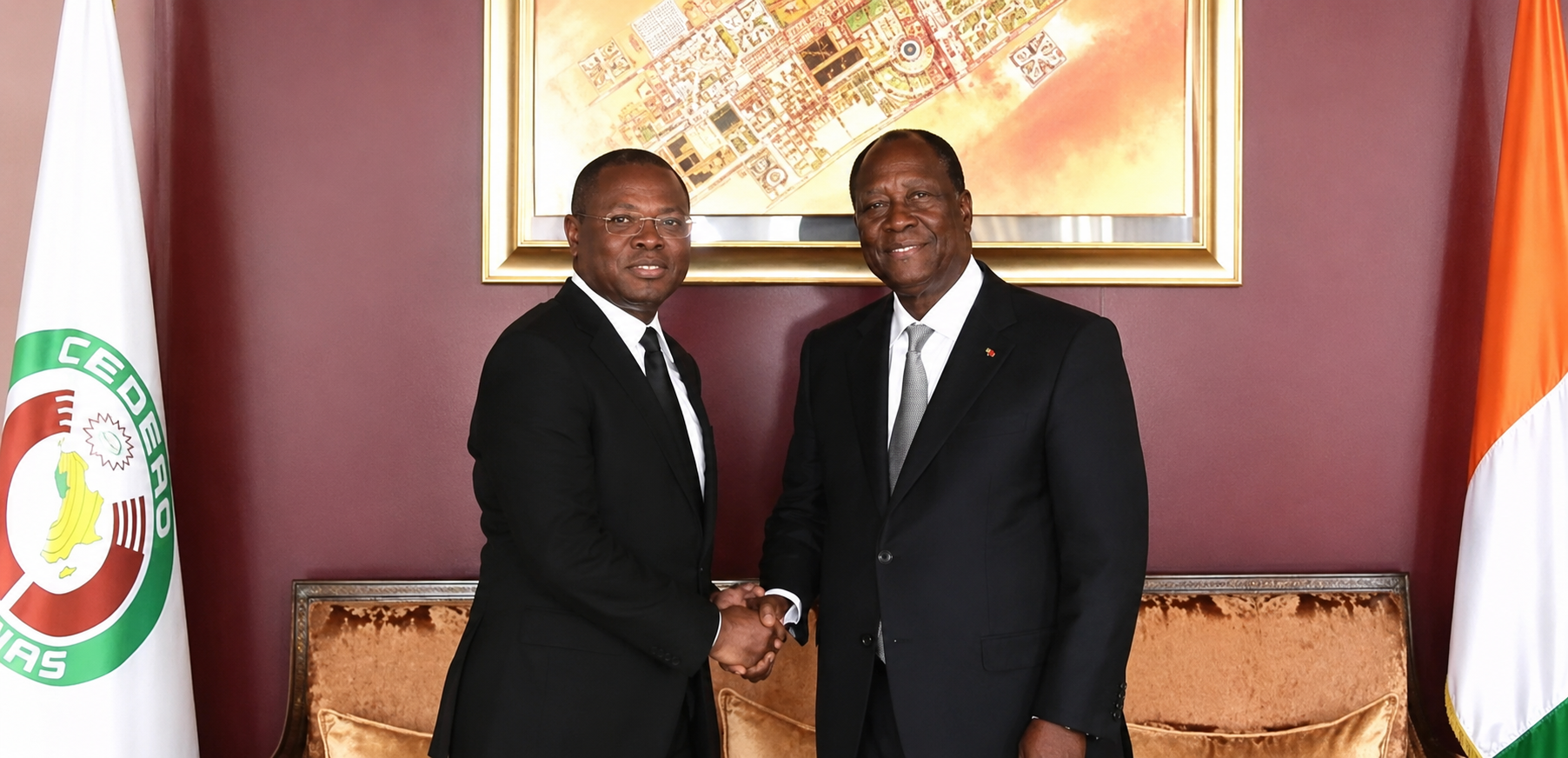
Bénin’s Minister of Economy and Finance, Romuald Wadagni, brought his significant diplomatic journey through West Africa to a close in Côte d’Ivoire. This crucial final stop in Abidjan, highlighted by an audience with President Alassane Ouattara, marked the culmination of a strategic diplomatic offensive undertaken by Bénin, following earlier visits to Nigeria, Burkina Faso, Niger, and Togo. Strategic culmination in Abidjan Côte d’Ivoire served as the chosen endpoint for Romuald Wadagni’s inaugural major sub-regional tour. For this high-level friendship and working visit, the Beninese State Minister was accompanied by a…
Read MoreBenin makes secondary education free for all girls
Government Takes Bold Step to Advance Gender Equality in Education The Government of Bénin has enacted a landmark policy to promote social inclusion and empower women through education. Following the Council of Ministers meeting on June 3, 2026, the executive branch formally approved the complete elimination of secondary school tuition fees for all girls attending public institutions of general, technical, and vocational education. This transformative initiative will take effect at the commencement of the 2026-2027 academic year. This sweeping national reform culminates a pilot phase and aligns with President Patrice…
Read MoreBénin: landmark public health funding to eliminate financial barriers in emergency care
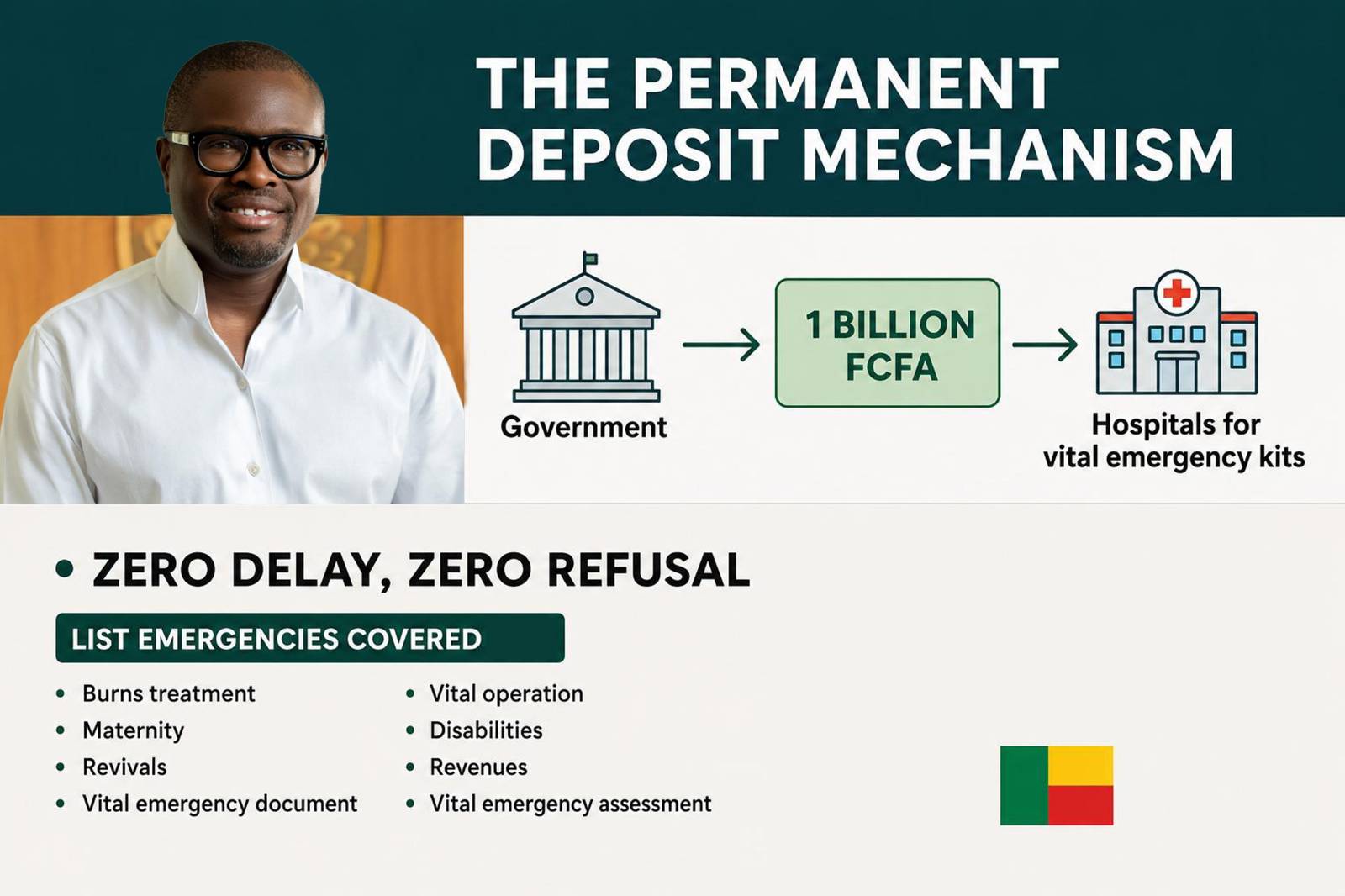
The Republic of Benin has taken a historic step toward ensuring equitable healthcare access with a landmark financial commitment. On June 3, 2026, President Romuald Wadagni unveiled an exceptional allocation of 1 billion West African CFA francs to public health facilities, designed to guarantee free emergency care for life-threatening conditions. The initiative marks a decisive shift in Benin’s healthcare policy, prioritizing urgent medical interventions before financial considerations. President Wadagni’s directive—‘Treat first, handle paperwork later’—underscores a commitment to saving lives without delay, particularly in cases of severe obstetric complications, road accidents,…
Read MoreFMI flags fiscal dominance risks in Morocco’s monetary policy
The International Monetary Fund (IMF) has released a comprehensive analysis examining the autonomy of central banks across the Middle East, North Africa, Central Asia, and the Caucasus. Findings indicate a clear correlation between enhanced central bank independence and superior inflation control, along with stronger resilience against macroeconomic disruptions. The study delves into the intricate relationship between fiscal policy and monetary policy, assessing their combined impact on the latter’s effectiveness. To quantify fiscal dominance, the IMF employs a specific metric: the net claims of the banking system on the state, expressed…
Read MoreBenin-ivory coast: strategic partnership forged in Abidjan
The newly inaugurated President of Bénin, Romuald Wadagni, has selected Ivory Coast as the destination for his first official foreign visit. Beyond mere symbolism, this working session in Abidjan represents a significant diplomatic shift and aligns with a strategy rooted in economic pragmatism. A pragmatic alliance with Ivory Coast’s economic model By choosing Ivory Coast, President Wadagni is not merely visiting a neighboring nation; he is engaging with a model of economic transformation. Under the leadership of President Alassane Ouattara, Ivory Coast has emerged as the unrivaled engine of the…
Read MoreMorocco’s stark social divide: a nation at a crossroads
From glittering megaprojects to forgotten hinterlands The Morocco of today stands at a crossroads, its glittering skyline of high-speed trains and solar-powered cities contrasting sharply with the daily struggles of millions in rural villages and urban slums. While headlines celebrate Tangier’s industrial boom and the Noor Ouarzazate solar complex, the harsh reality is that nearly 40% of the population remains on the wrong side of a widening social and economic fault line. This is not a mere perception gap. The statistics tell a story of deep-rooted inequality that has solidified…
Read More