Élections en Afrique : des frais de campagne “exorbitants” disqualifient l’opposition
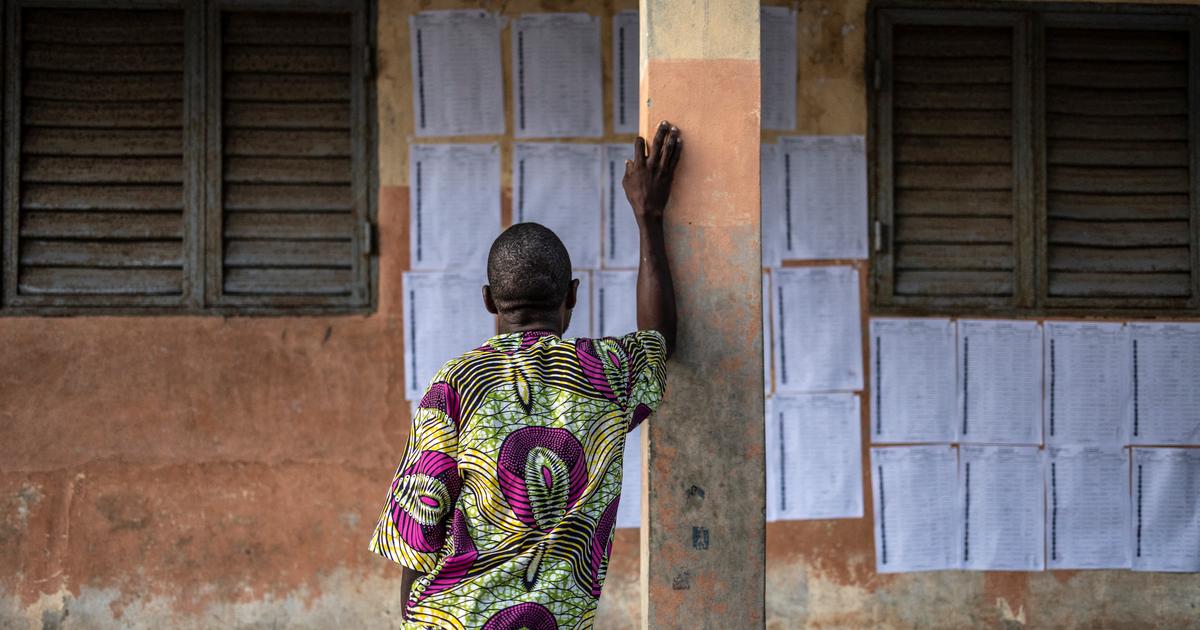
Partager Écouter “Élections jouées d’avance”, “scrutins sans suspens”, “victoires du président sortant dès le premier tour”. Les élections présidentielles en Afrique au cours de l’année 2025 ont été marquées par une tendance au verrouillage de l’opposition avant même le début de la campagne présidentielle. Dernières élections en date, celles qui ont eu lieu à Djibouti, le 10 avril, et au Bénin, le 12 avril. La première a vu le président sortant, Ismaïl Omar Guelleh, réélu pour un sixième mandat à la tête du pays, avec 97,8 % des voix. Dans le second, Romuald Wadagani,…

Read More

Élections en Afrique : des frais de campagne “exorbitants” disqualifient l’opposition
Partager Écouter “Élections jouées d’avance”, “scrutins sans suspens”, “victoires du président sortant dès le premier tour”. Les élections présidentielles en Afrique au cours de l’année 2025 ont été marquées par une tendance au verrouillage de l’opposition avant même le début de la campagne présidentielle. Dernières élections en date, celles qui ont eu lieu à Djibouti, le 10 avril, et au Bénin, le 12 avril. La première a vu le président sortant, Ismaïl Omar Guelleh, réélu pour un sixième mandat à la tête du pays, avec 97,8 % des voix. Dans le second, Romuald Wadagani,…

Read More

Mali’s post-alignment strategy and its impact on stability and sovereignty

Since the military takeovers in 2020 and 2021, Mali has undergone a significant political and strategic shift under the leadership of colonel assimi goïta. the regime has embraced a sovereigntist discourse, distancing itself from traditional western allies and forging new partnerships, particularly with Russia and the united arab emirates. yet, despite these efforts to assert national autonomy, the country continues to grapple with persistent insecurity, economic stagnation, and democratic backsliding. the rise of transactional sovereigntism colonel assimi goïta’s ascent to power through successive coups was framed as a response to…

Read More

Lobogo Under the Spotlight: Paul Hounkpè’s Crucial Test in Benin’s Election

As election day approaches, tension is palpable in Lobogo, a village within the Bopa commune. Here, Paul Hounkpè, a prominent figure of the Forces Cauris for an Emerging Benin (FCBE), faces a critical moment to solidify his credibility. This stronghold of the former mayor, divided between unwavering support and criticism from some opponents, lies at the heart of the April 12th election. The atmosphere in Lobogo is electric, filled with hope and political debate. In this village, where Paul Hounkpè grew up and built his influence, every street seems to…

Read More

Burkina Faso: Influential Imam’s Disappearance Sparks Alarm Amidst Political Tensions

A week has passed since his last public appearance, and a shadow of deep concern hangs over the fate of Imam Mahmoud Barro. This highly influential religious figure from Burkina Faso’s second-largest city, Bobo-Dioulasso, has been reported missing since March 31st. Amidst swirling rumors of abduction and a conspicuous silence from authorities, the incident has ignited significant distress within the Muslim community and civil society across Burkina Faso. An unsettling quiet now pervades the neighborhood of Imam Barro in Bobo-Dioulasso. For seven days, his family and close associates have received…

Read More

Military rule in Burkina Faso rejects democracy as elections remain uncertain

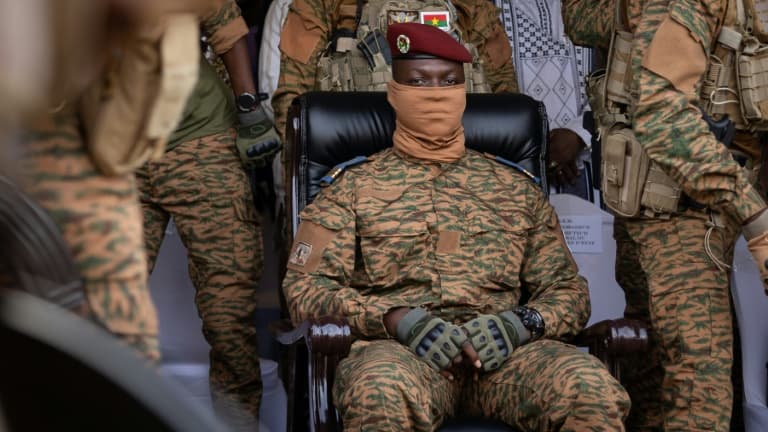
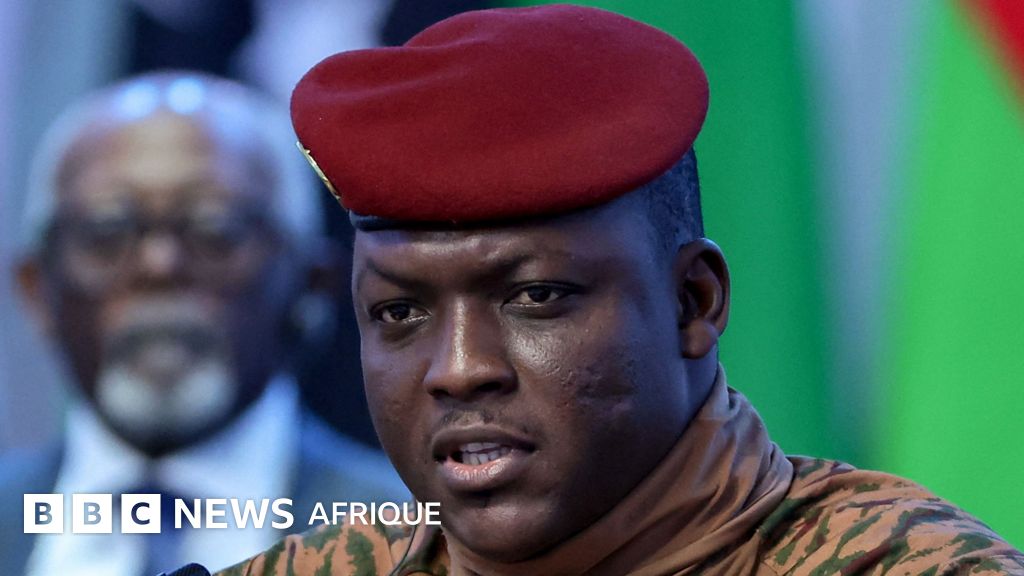
military rule in Burkina Faso rejects democracy as elections remain uncertain Share Share Whatsapp LinkedIn Mail messenger 3 apr 2026 Read in app BFM I.H with AFP Share Burkina Faso’s junta has adopted a charter allowing Captain Ibrahim Traoré, who seized power in September 2022, to run in upcoming presidential, legislative, and municipal elections. Burkinabè citizens must “forget” democracy, declared Captain Ibrahim Traoré, leader of Burkina Faso’s ruling junta, during a televised press conference on April 2. His remarks come amid growing concerns over the country’s political future. Traoré came…

Read More

Burkina Faso’s military leader rejects democracy as ‘fatal’ for the nation

Burkina Faso’s military leader rejects democracy as ‘fatal’ for the nation Article Information April 3, 2026 Reading time: 5 min Captain Ibrahim Traoré, Burkina Faso’s military leader, has declared that democracy is “fatal” for the nation and must be “forgotten.” Speaking during a televised interview, he asserted that the democratic model is incompatible with Burkinabé society and that the country requires an entirely different approach. Traoré, who seized power in a coup three years ago, had previously pledged to restore democratic governance by July 2024. However, just two months before…

Read More

Burkina Faso’s military leader rejects democracy, outlines new vision

The captain leading Burkina Faso, Ibrahim Traoré, has declared that democracy is not the solution for the country, urging citizens to “forget” about the political system entirely. Rejecting democracy as a path to instability In a nationally televised interview, Traoré made his stance clear: “People must forget the question of democracy. Democracy is not for us.” He argued that the system had failed Burkina Faso and pointed to the Libya experience as a cautionary tale, highlighting the chaos that followed Western-backed regime change. Liberia, he suggested, was another example of…

Read More

Burkina Faso leader rejects democracy in favor of revolutionary governance

Burkina Faso’s military leader declares democracy incompatible, unveils revolutionary path Captain Ibrahim Traoré, Burkina Faso’s military leader, has publicly dismissed democracy as unsuitable for the nation, calling for its abandonment in a televised interview. Speaking on national television, he asserted that the country must forge its own governance model, distinct from Western democratic frameworks. The 38-year-old leader, who seized power in a 2023 coup, argued that democracy has failed Africa, citing the ongoing instability in Libya—once led by the late dictator Muammar Gaddafi—as evidence of democracy’s pitfalls. Gaddafi’s regime, though…

Read More

Faure gnassingbé’s balancing act between Russia, ECOWAS and AES

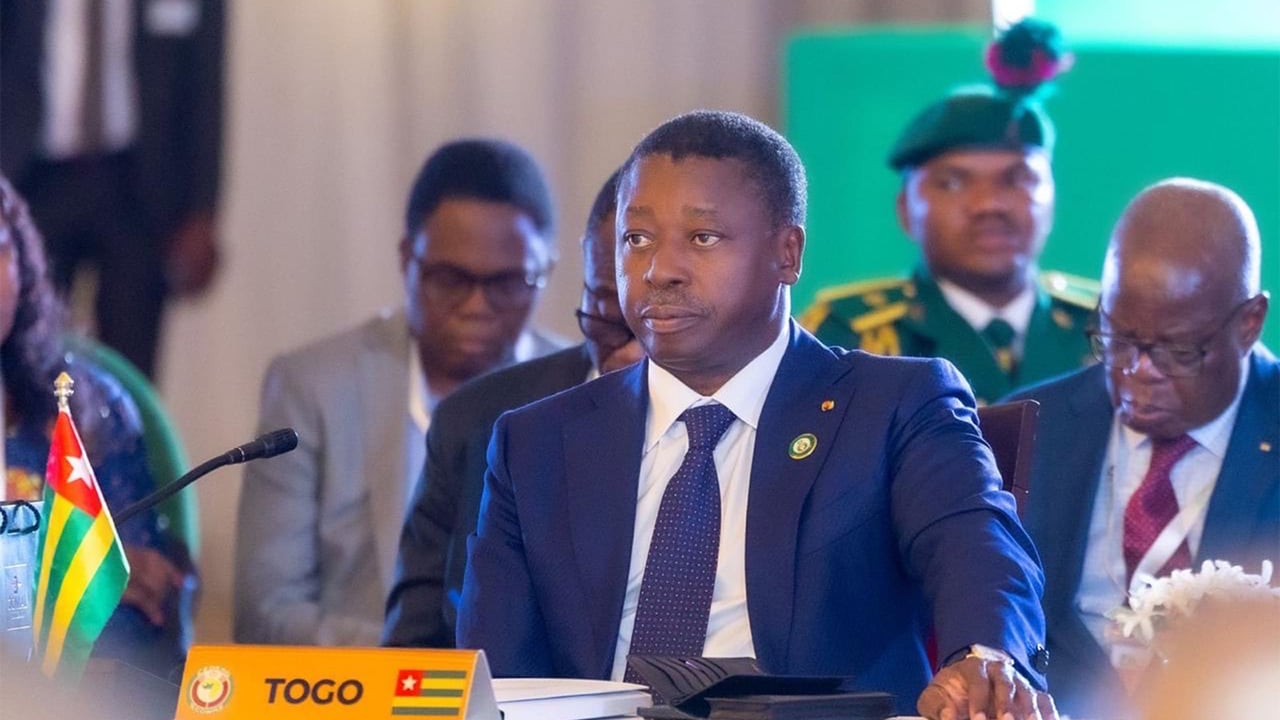
The Togo presidency’s deliberate silence speaks volumes about its diplomatic strategy. On March 9, Russian Defense Minister Andrei Belousov arrived in Lomé by plane. The next day, he was received by Togo’s President Faure Essozimna Gnassingbé. While an anonymous source within the Togolese presidency confirmed this meeting to Jeune Afrique, no official statement was released about the encounter. Why Togo plays its cards close to its chest The discreet nature of this high-level exchange highlights a calculated approach to diplomacy. Faure Gnassingbé appears to be carefully navigating between competing geopolitical…

Read More

Democracy in Africa: challenges and recent shifts in governance

The African continent has witnessed a significant transformation in its political landscape since 2020, with nine military takeovers displacing democratically elected leaders. This shift marks a departure from decades of Western-backed democratic reforms, which began after the historic La Baule Speech in 1990. From democratic promises to military rule For years, African nations aligned with Western demands for democratic governance, often under pressure to adopt multi-party systems and hold elections. However, recent years have seen a troubling reversal, as juntas seize power in countries where civilian rule once seemed stable.…

Read More

UN calls for the restoration of democratic freedoms in Burkina Faso

The United Nations human rights chief, Volker Türk, has issued a formal appeal to the government of Burkina Faso, urging an end to all forms of civic space suppression and the reversal of plans to outlaw political parties. According to the High Commissioner, the current trajectory is a step backward for the human rights of the people of Burkina Faso. In a recent statement, he argued that rather than dismantling political organizations or incarcerating individuals for their personal views, the state should be expanding the environment for civil society and…

Read More