Silent deterrence or calculated provocation? China’s latest military moves stir reactions
The Pacific region is once again at the center of geopolitical tensions as China’s recent military exercises near Taiwan raise serious questions about Beijing’s long-term intentions. While official statements remain scarce, the scale and nature of these operations have ignited a fierce public debate among regional players and global observers alike.
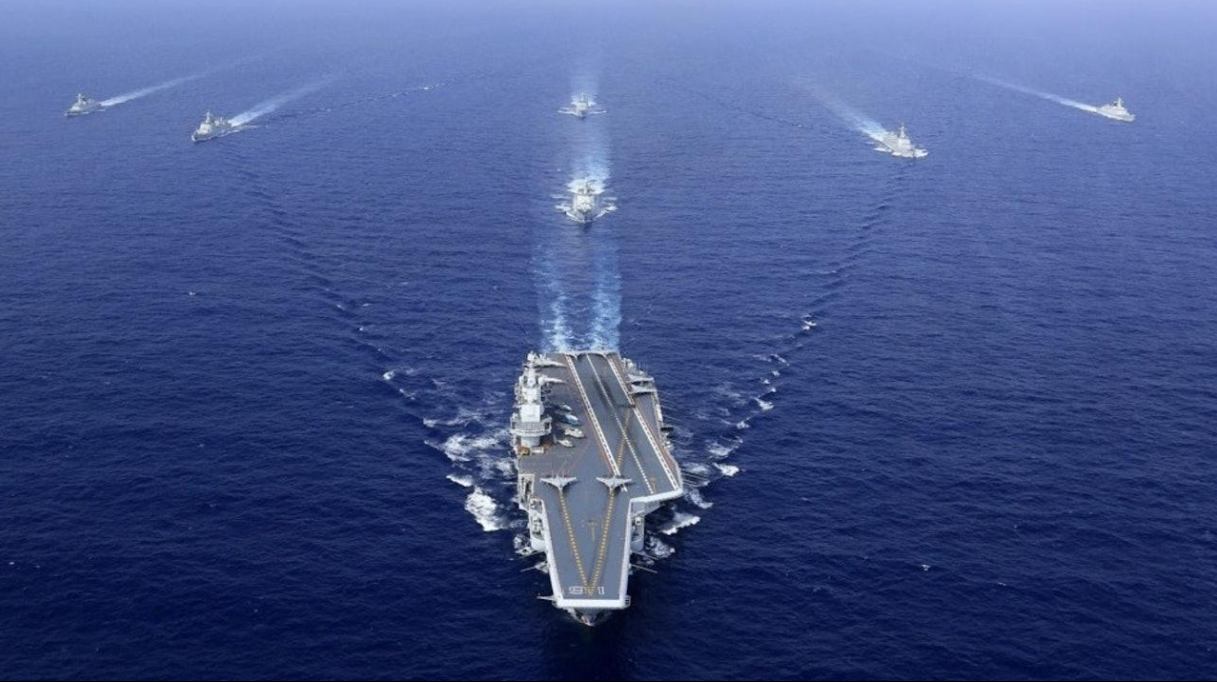
Taiwan’s security officials have disclosed that over 100 Chinese naval vessels, including coast guard ships and aircraft carrier strike groups, were mobilized in early November for large-scale drills in the Western Pacific. The timing of these maneuvers, coupled with reports of an unexplained missile launch from a Chinese submarine, has intensified concerns about China’s evolving military strategy and its implications for regional stability.
Analysts warn that these operations may represent more than just routine training—they could signal a deliberate campaign to test Taipei’s defenses, disrupt international shipping lanes, and challenge the strategic interests of Japan, the United States, and their allies.
How China’s naval buildup is reshaping power dynamics in the Strait
The sheer scale of China’s military deployment—spanning multiple fleets from the Northern, Eastern, and Southern naval commands—demonstrates a level of coordination rarely seen in previous exercises. The inclusion of the Liaoning aircraft carrier group underscores Beijing’s growing confidence in projecting naval power across vast distances, far beyond its immediate territorial waters.
Military observers note that these drills are not isolated incidents but part of a broader pattern aimed at preparing for a range of contingencies. Possible objectives include:
- Simulating a blockade of Taiwan to assess potential responses from Taipei and its partners;
- Testing anti-access/area-denial (A2/AD) capabilities to restrict foreign naval movements in the region;
- Demonstrating China’s ability to disrupt critical maritime trade routes in the Western Pacific.
As of November 13, approximately 70 Chinese vessels remained within the so-called “first island chain,” a strategic boundary that defines China’s near-sea defenses and its efforts to control key maritime corridors. This persistent presence suggests that Beijing is not merely testing boundaries but actively shaping the operational environment in its favor.
Controversial missile launch fuels speculation about China’s nuclear ambitions
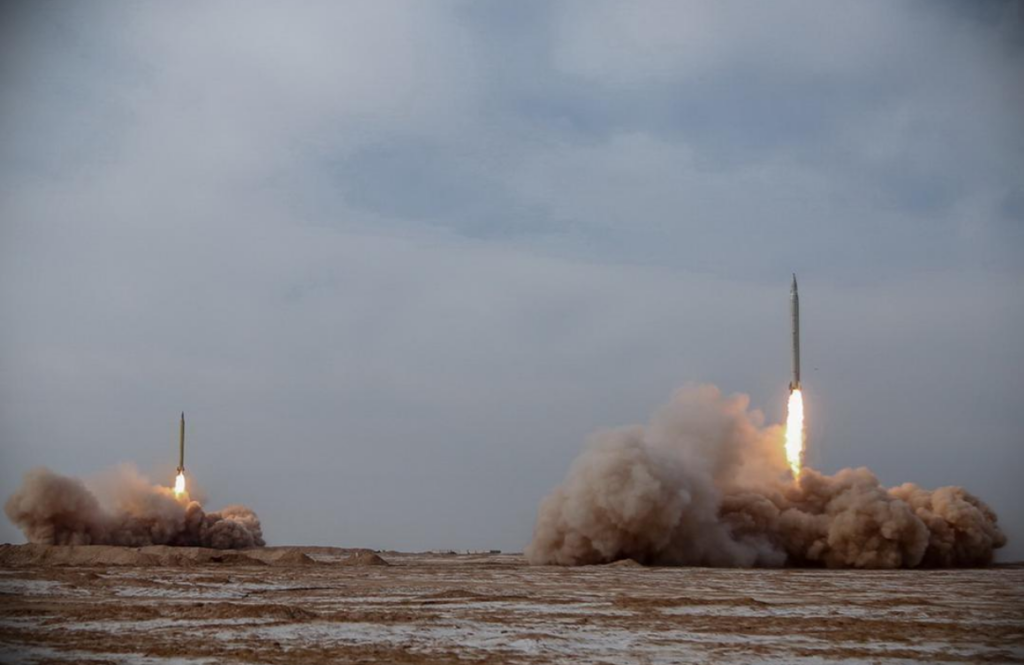
The most alarming development, according to Taiwanese security sources, is the alleged launch of a submarine-launched ballistic missile (SLBM) during the exercises. While details remain unconfirmed, the possibility of such a test has raised red flags among defense analysts and diplomats worldwide.
Submarines equipped with ballistic missiles are a cornerstone of nuclear deterrence, offering stealth and second-strike capability. If confirmed, this incident would mark a significant escalation in China’s strategic posture, signaling a potential shift from regional coercion to a more assertive global military footprint.
However, the lack of independent verification means conclusions should be drawn with caution. The exact type of missile, its flight path, and the circumstances surrounding the launch are still under scrutiny. Until more evidence surfaces, the international community remains divided over whether this was a deliberate provocation, a routine training exercise, or an unintended miscalculation.
Diplomatic fallout: Will global responses curb China’s military ambitions?
The timing of China’s drills, occurring just days before the APEC Summit in Shenzhen, has not gone unnoticed. While Beijing has not linked the exercises to the international gathering, the proximity of events has fueled speculation that the military display may have been intended to project strength ahead of high-level negotiations.
In response, the Group of Seven (G7) issued a rare joint statement on November 11, expressing deep concern over China’s military activities east of Taiwan. The statement highlighted risks to regional stability, freedom of navigation, and the security of international shipping—a clear reference to Beijing’s growing influence over critical maritime routes.
Yet, whether diplomatic warnings alone can deter further escalation remains uncertain. The G7’s call for restraint follows a broader trend of increasing pressure on China to adhere to international norms, but military posturing often continues despite diplomatic appeals. The question now is whether this latest display of force will prompt stronger collective action from the United States, Japan, and their allies—or embolden China to accelerate its military expansion.
Regional flashpoints: Japan and the U.S. brace for potential consequences
Japan finds itself in a uniquely vulnerable position. As a key U.S. ally with a significant military presence in Okinawa and the East China Sea, Tokyo is directly exposed to any escalation around Taiwan. A prolonged military standoff or, worse, a blockade of the island could disrupt Japan’s energy supplies, threaten its maritime trade, and force a reassessment of its defense policies.
The United States, which maintains military bases in Japan and has a vested interest in preserving stability in the Indo-Pacific, is equally concerned. Reports suggest that Washington is closely monitoring China’s movements, particularly its ability to deny access to critical chokepoints in the region. The possibility of a Chinese-imposed maritime blockade—whether by naval forces or through indirect coercion—could force the U.S. to reconsider its forward-deployed assets and rapid-response capabilities in the Pacific.
For now, there is no indication that Japan or the U.S. have been specifically targeted in these exercises. However, the growing unpredictability of China’s military actions has raised alarms about the potential for miscalculations or unintended escalations that could draw regional powers into a wider conflict.
What’s next for Taiwan and the fragile balance of power?
Taiwan stands at the epicenter of this evolving crisis. While there is no immediate indication of an all-out invasion, the cumulative effect of China’s military pressure—from naval blockades to cyberattacks and psychological warfare—is steadily eroding Taipei’s strategic autonomy. The challenge for Taiwanese leaders is to navigate this pressure without provoking a direct confrontation while also securing support from likeminded international partners.
The international community now faces a critical dilemma: how to respond to China’s assertive military posture without triggering a spiral of escalation. Diplomatic channels remain open, but the absence of transparency from Beijing makes it difficult to gauge its true intentions. Will these exercises serve as a temporary show of force, or do they represent the first steps toward a more permanent transformation of the military landscape in the Taiwan Strait?
One thing is clear: the world is watching closely. The reactions to China’s latest maneuvers will shape not only the future of Taiwan but also the broader security architecture of the Indo-Pacific in the years to come.
Key takeaways: What the latest military drills reveal about China’s strategy
As the dust settles on these unprecedented exercises, several key insights emerge:
- China’s military is expanding its operational range: The deployment of over 100 ships and the involvement of advanced platforms like the Liaoning carrier group signal a shift from regional dominance to global power projection.
- Nuclear ambiguity remains a concern: The alleged submarine-launched ballistic missile test, if confirmed, would underscore China’s evolving nuclear doctrine and its willingness to challenge existing strategic balances.
- Diplomatic pressure may not be enough: While the G7’s statement reflects growing unease, military exercises continue unabated, suggesting that Beijing prioritizes strategic deterrence over diplomatic concessions.
- The Taiwan Strait remains a powder keg: With each new drill, the risk of miscalculation or unintended conflict grows, making crisis management a top priority for regional stakeholders.
In the coming weeks and months, the international community will need to decide how to respond—not just to China’s latest moves, but to the long-term implications of a rising military power reshaping the rules of engagement in the Pacific.