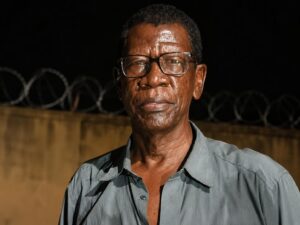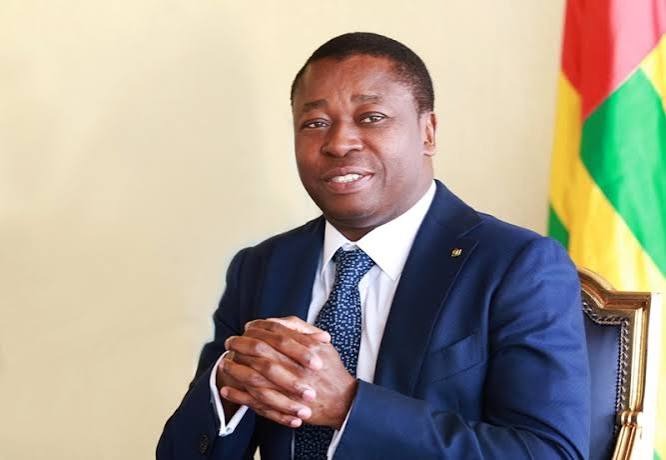
Is Togo’s carefully polished image as a regional mediator hiding a far more transactional bargain? That question is no longer academic. When Luc Beyam, a senior figure in the Movement for Justice and Redress in Chad (MJRT), was detained over unpaid hotel bills in Lomé, the episode exposed what official statements have long obscured: a tacit arrangement between President Faure Gnassingbé and Chadian insurgents. Under the cover of peace facilitation, Togo has offered sanctuary to foreign armed figures. In return, the regime appears to receive intelligence, surveillance expertise and an informal strike capacity to tighten its grip on domestic politics and neutralize dissent. For ordinary Togolese and for the country’s democratic future, the stakes could hardly be higher.
A quiet exchange: sanctuary for an off-the-books security network
The arrival of Chadian rebellion figures in Lomé’s luxury hotels is neither accidental nor purely diplomatic charity. For Faure Gnassingbé, facing recurring protests and political challenges, these battle-tested men offer a parallel security resource that formal institutions cannot easily provide.
Surveillance handed to foreign operators
MJRT operatives, familiar with clandestine operations, information warfare and infiltration networks, are put to work by the Togolese regime to monitor, infiltrate or hunt down opposition figures both inside Togo and across the diaspora.
An intimidation reserve kept within reach
By tolerating combat-hardened men on its territory, the Lomé government gains an indirect but unmistakable intimidation lever aimed at citizen movements and opposition parties. The implicit threat is an informal force operating outside the legal framework of the army or the republican police.
Repression imported from Chad’s crisis zones
The informal alliance between Faure Gnassingbé and armed actors from the subregion has produced a dangerous transfer of social control methods.
As Togo’s opposition tries to mobilize against controversial constitutional reforms and restrictions on public freedoms, the regime borrows tactics of suffocation and counterinsurgency tested in Chadian conflict zones. Exiled communicators and press officers linked to those movements also serve Faure Gnassingbé’s services by orchestrating disinformation campaigns against Togolese civil society figures, who are systematically painted as destabilization agents.
The mediator label: a shield against international scrutiny
When foreign chancelleries or human rights organizations raise concerns, Faure Gnassingbé routinely presents himself as a peace facilitator and a haven of stability in a crisis-ridden region. This diplomatic posture allows the Togolese head of state to keep dangerous individuals on national soil without triggering international sanctions.
Yet the Luc Beyam case shows that such tolerance comes with strict conditions. These burdensome guests are protected only as long as they serve Faure Gnassingbé’s political interests. Once a rebel figure becomes a financial liability or refuses to comply with the discretion and cooperation demanded by Togolese intelligence services, protection vanishes and the judicial apparatus is swiftly activated.
What the Togolese people stand to lose
By turning Lomé into a marketplace where regime security is traded for asylum to foreign insurgents, Faure Gnassingbé has chosen governance by fear and repressive subcontracting. In cutting deals with Chadian rebellions to subdue internal democratic opposition, the Togolese president is not protecting the nation. He is instrumentalizing actors of subregional chaos to perpetuate his own monopoly on power.
The central question remains: how much longer can Togo’s stability be built on such a bargain, and who will bear the cost when it unravels?