The Democratic Republic of Congo finds itself at a critical juncture as President Félix Tshisekedi takes a tactical step back in the face of mounting pressure from opposition coalition C64. At the eleventh hour before the coalition’s ultimatum expires, the president has opted to return the constitutional referendum bill to Parliament for a second review—despite a recent constitutional court ruling that deemed it compliant with the constitution, albeit with conditions.
The C64, alongside over sixty civil society groups, has been unrelenting in its demands: Félix Tshisekedi must abandon his constitutional reform plans by August 15 and reject the referendum bill outright. Additionally, the coalition is calling for an inclusive national dialogue. Yet as the deadline looms, no date has been set for such discussions.
Tshisekedi’s strategic retreat under fire
Many had assumed the referendum organization law was already in effect, given the president’s failure to promulgate it within the 15-day constitutional window. Instead, Tshisekedi has chosen to send the bill back to Parliament for further deliberation, this time incorporating the constitutional court’s observations.
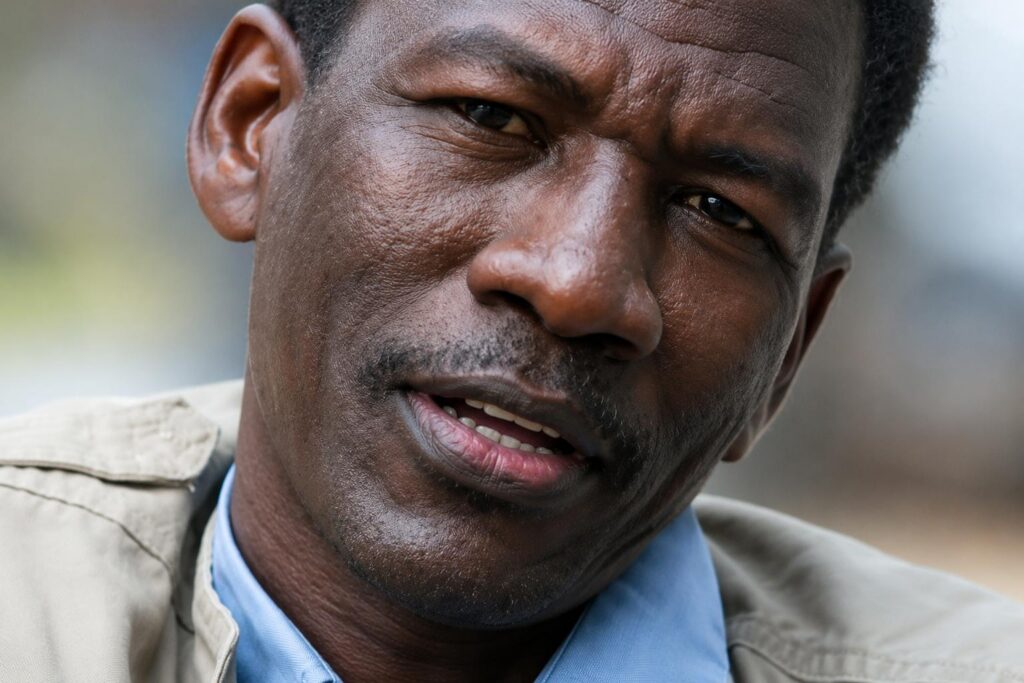
Professor Bob Kabamba, a political analyst at the University of Liège in Belgium, interprets this move as a clear retreat by the Congolese leader. However, he cautions that the retreat does not signal an end to Tshisekedi’s ambitions to extend his political influence beyond 2028—the year marking the conclusion of his second term.
“It’s important to remember that this decision comes after intense pressure—not just from the opposition, but also from regional actors. These combined forces, along with behind-the-scenes consultations, have forced Tshisekedi into this tactical withdrawal. It’s a setback, but one that won’t stop him from exploring alternative routes to secure his political future beyond 2028,” Kabamba explains.
C64 ramps up pressure with post-deadline plans
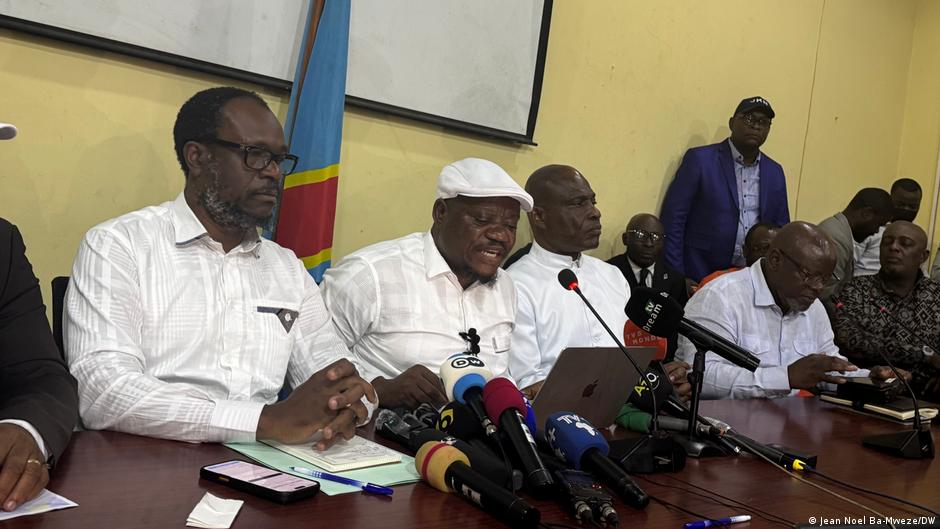
The Article 64 coalition has acknowledged the bill’s return to Parliament, but remains steadfast in its demands. With the August 15 deadline just hours away, C64 is preparing a series of decisive actions, though specifics have yet to be disclosed.
“When the clock strikes midnight on August 15, we will confirm that nothing has changed. We will then unveil a series of precision operations orchestrated by our C64 laboratory to push back against a regime that has stripped us of our freedom and now threatens to take away our national sovereignty,” declares Franklin Tshiamala, Secretary-General of Leadership for Governance and Development (LGD), an affiliate of former Prime Minister Augustin Matata Ponyo’s movement.
Political tensions escalate
From the government’s perspective, the referendum process is framed as a legitimate political and institutional initiative. The ultimatum issued by C64, however, is dismissed as an illegitimate demand that cannot dictate the president’s agenda.
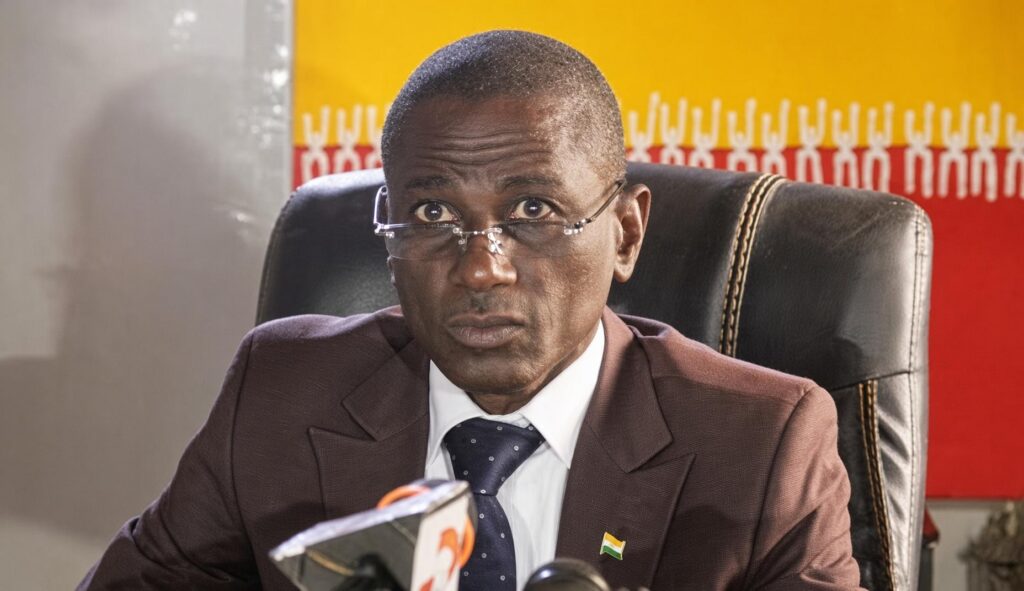
“As for the C64 ultimatum, you need to understand: it’s theirs. It was likely crafted to please their backers. But the Republic continues to function as normal,” asserts Adolphe Amisi Makutano, a senior member of the Union for Democracy and Social Progress (UDPS), the party led by President Félix Tshisekedi.
The standoff remains unresolved, with the August 15 deadline poised to mark the beginning of a new chapter in the Democratic Republic of Congo’s political landscape.