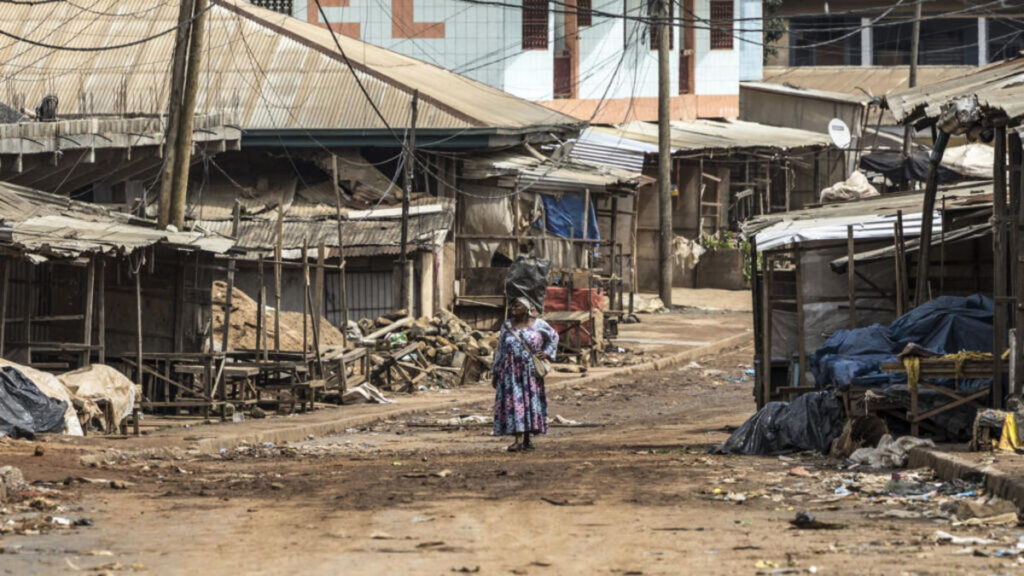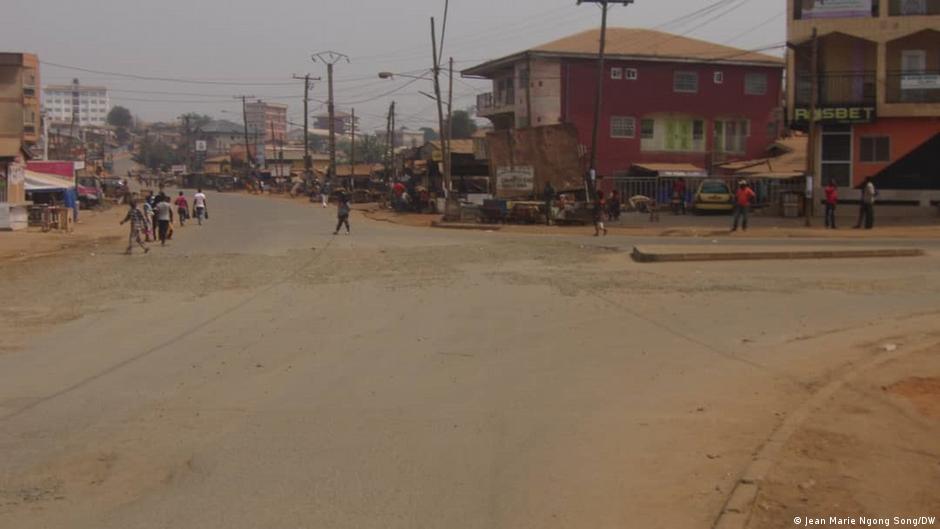
Cameroon’s economic lifeline, National Highway 5—linking the port city of Douala with the regional hub of Bafoussam and continuing toward Bamenda in the Northwest—has fallen into advanced disrepair. The road now holds grim distinctions: among the nation’s most dangerous routes, with accident and fatality rates climbing every season.
Why the national highway 5 is collapsing
Years of heavy truck and inter-city bus traffic, chronic under-investment, and increasingly violent rainfall have stripped the asphalt. Deep potholes, road-washouts, and ground failures now greet drivers daily, turning a 250-kilometre journey once completed in three-and-a-half hours into an ordeal lasting up to ten.
An arduous trip through the worst sections
On a recent crossing from Douala to Bafoussam, passengers endured a gruelling detour after the main artery in Haut-Nkam became impassable. Traveller Alice recounted the detour through Yaoundé and Bagangté: “We left Bafoussam fourteen hours ago. The road is simply un-driveable. We were exhausted, our bodies aching from hours of jolting and swerving.”
The ‘Triangle of death’ lives up to its name
Intense precipitation has weakened the fragile soils of the western highlands. In November 2024, a cliffside collapse near Dschang engulfed several vehicles, killing fourteen people and spotlighting the route’s vulnerability. Local reports indicate close to one hundred traffic fatalities each month along the Douala–Yaoundé–Bafoussam corridor.
Calls for urgent action grow louder
Motorists are incensed at paying tolls for a road that resembles a construction site. Transport operator Mika Séma voiced the frustration: “Tolls are meant for maintenance. When there is no road, why should we pay? The government must act—before another life is lost.”
With the rainy season intensifying and no large-scale repairs in sight, National Highway 5 risks remaining Cameroon’s deadliest stretch of tarmac.