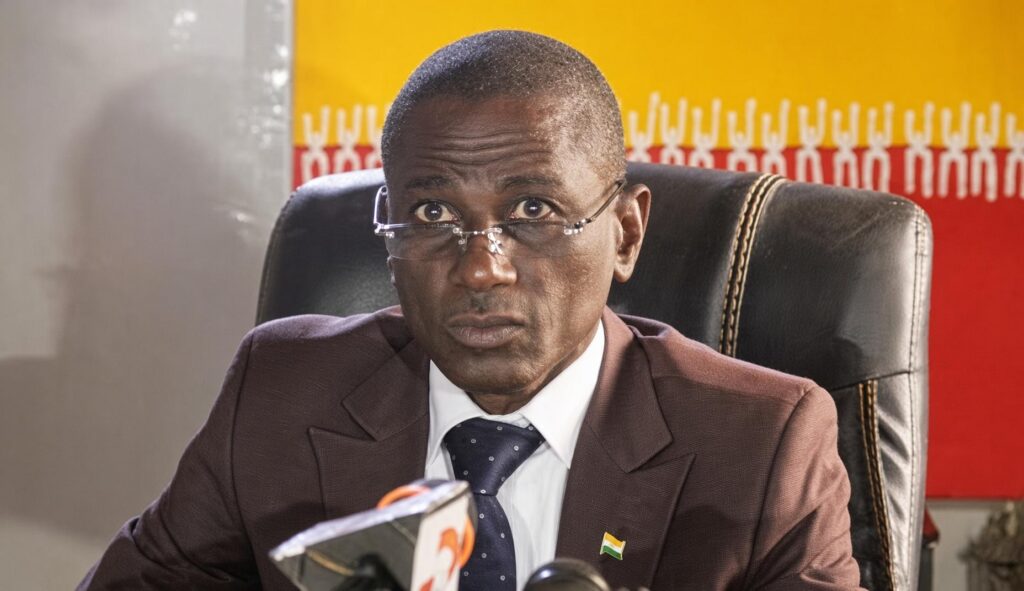
The political storm in Madrid shows no signs of abating following the massive migrant influx into Ceuta at the end of July 2026. Morocco’s Justice Minister Abdellatif Ouahbi’s recent remarks on the status of Ceuta and Melilla have reignited a heated debate in Spain, with the People’s Party (PP) now demanding urgent diplomatic action.

Jaime de los Santos
Reacting swiftly, Spain’s opposition PP party has intensified pressure on Prime Minister Pedro Sánchez’s government. On August 13, 2026, the party called for the immediate recall of Morocco’s ambassador for urgent consultations. PP deputy Jaime de los Santos, speaking during a visit to Barcelona, drew parallels with Madrid’s recent handling of the Italian ambassador after Rome suspended the Schengen agreement, questioning why similar measures hadn’t been taken against Morocco despite the Ceuta border crisis and Ouahbi’s sovereignty remarks.
The conservative party escalated its demands further by submitting written questions to the Congress of Deputies. They are pressing Justice and Presidency Minister Félix Bolaños to clarify all exchanges with his Moroccan counterpart since the recent migrant crisis and explain how Spain plans to respond to Ouahbi’s statements on the two enclaves’ status.
Adding to the controversy, the PP has accused Morocco of threatening to suspend the bilateral extradition agreement with Spain. This accord is seen by the party as crucial for organizing the return of individuals who crossed the border fences.
The diplomatic saga continues to unfold, with Spain’s right-wing opposition leveraging the issue to challenge the Sánchez government’s policies. Meanwhile, the government has yet to respond to calls for a firmer stance from the conservative opposition.
Madrid’s political divide over Morocco’s stance
p]:mb-4 [&>p]:lg:mb-6″ style=”font-size:calc(1.1rem * var(–mh-reader-font-scale, 1));line-height:calc(1.9rem * var(–mh-reader-font-scale, 1))”> With the PP refusing to back down and the government maintaining its measured response, the coming weeks will be critical. The outcome of this diplomatic row could reshape Spain’s approach to its North African neighbor and influence future negotiations on migration, sovereignty, and bilateral cooperation. As the debate intensifies in Madrid, the broader implications for Spain-Morocco relations hang in the balance.