The Joint Expanded Verification Mechanism (MCVE+), launched nearly four months ago in Montreux, remains stalled in its mission to monitor the ceasefire between Kinshasa and the AFC/M23 movement. The primary obstacle? The expulsion of one of three Congolese officers deployed in mid-July to Goma to represent the FARDC within the framework. The AFC/M23 accuses the officer of having previously served in military intelligence. What is the Congolese government’s stance on this incident? How is this paralysis affecting the ground situation?
The roots of the impasse
The MCVE+, designed to enforce the ceasefire terms agreed upon by both parties, has yet to commence operations due to this single expulsion. Established in March, the mechanism was meant to bring stability to a region plagued by recurring violence. However, the AFC/M23’s decision to remove a key representative has left the verification process in limbo, raising concerns about the durability of peace efforts.
Kinshasa’s response and regional implications
Congolese authorities have strongly denied allegations that the expelled officer had any ties to military intelligence, labeling the accusation as unfounded. Defense officials assert that the officer was selected purely on professional merit, emphasizing his role in maintaining transparency within the verification process. Despite this rebuttal, the AFC/M23 has stood firm, demanding his removal as a prerequisite for restarting talks.
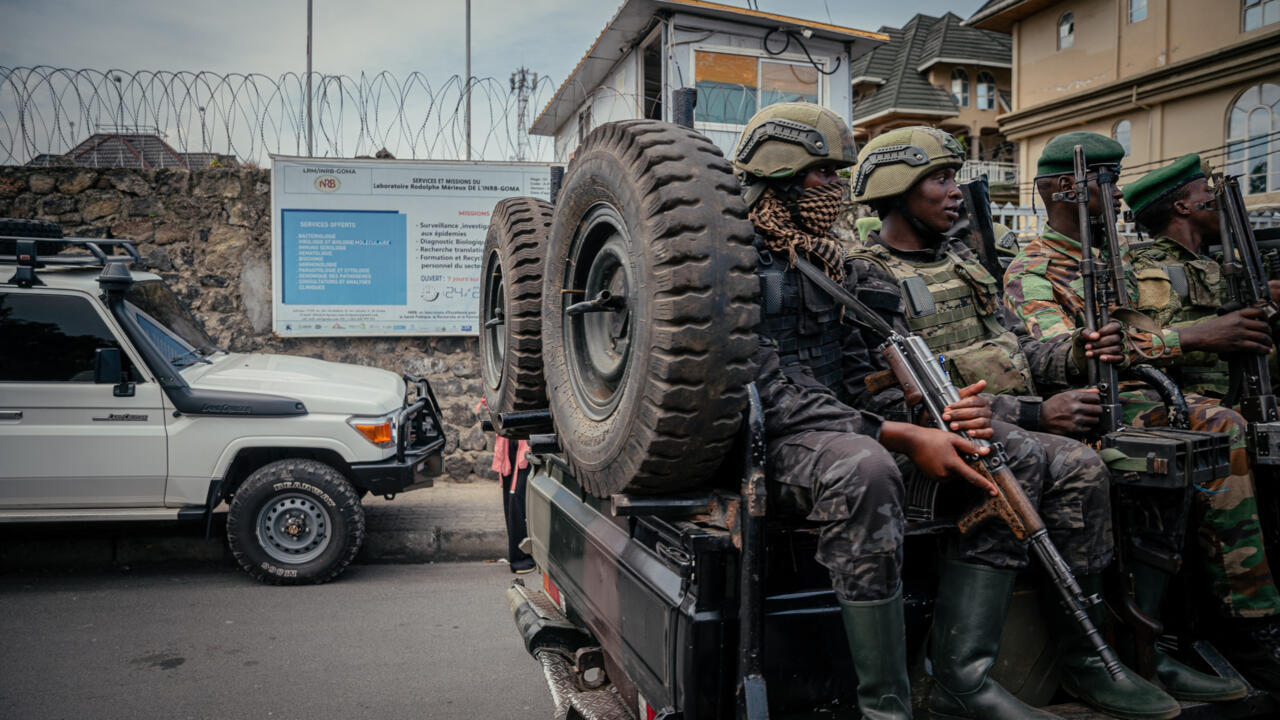
The deadlock extends beyond diplomatic tensions, with civilians bearing the brunt of the uncertainty. Reports indicate a resurgence of localized clashes in eastern DR Congo, where trust in the ceasefire mechanism is already fragile. Analysts warn that prolonged delays could embolden armed groups, further destabilizing a region that has seen decades of conflict.
What’s next for the DR Congo peace process?
The path forward remains unclear as both sides dig in their positions. The Congolese government has called for restarting negotiations without preconditions, while the AFC/M23 insists on the officer’s permanent removal. Meanwhile, international observers are urging swift action to prevent a vacuum that could be exploited by other militant factions.
For now, the ceasefire verification mechanism remains paralyzed, leaving civilians in eastern DR Congo in a state of heightened vulnerability. The coming weeks will be critical in determining whether diplomacy can prevail or if the region will slide back into deeper conflict.