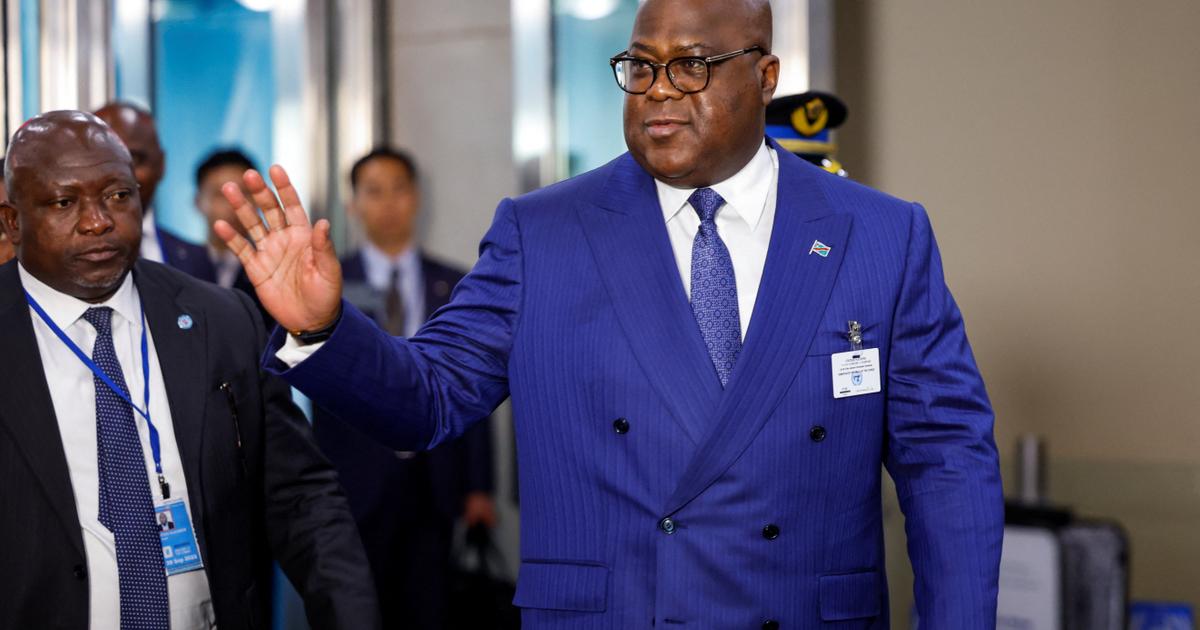
On Thursday, August 13, President Félix Tshisekedi of the Democratic Republic of Congo (DRC) asked the Parliament to revisit a contentious bill. This move came amidst escalating tensions with the Coalition Article 64 (C64), a significant opposition platform established last May by the nation’s primary political opposition forces. The legislation in question outlines the procedures for organizing a referendum on constitutional amendments, a topic that has sparked considerable debate in DRC politics.
The C64 views this proposed law, championed by the presidential party since 2024, as a strategic maneuver designed to pave the way for President Tshisekedi to pursue a third term. Such an extension of presidential tenure is explicitly prohibited by the current 2006 Constitution, forming the core of the opposition’s grievances and fueling widespread concern across the country.
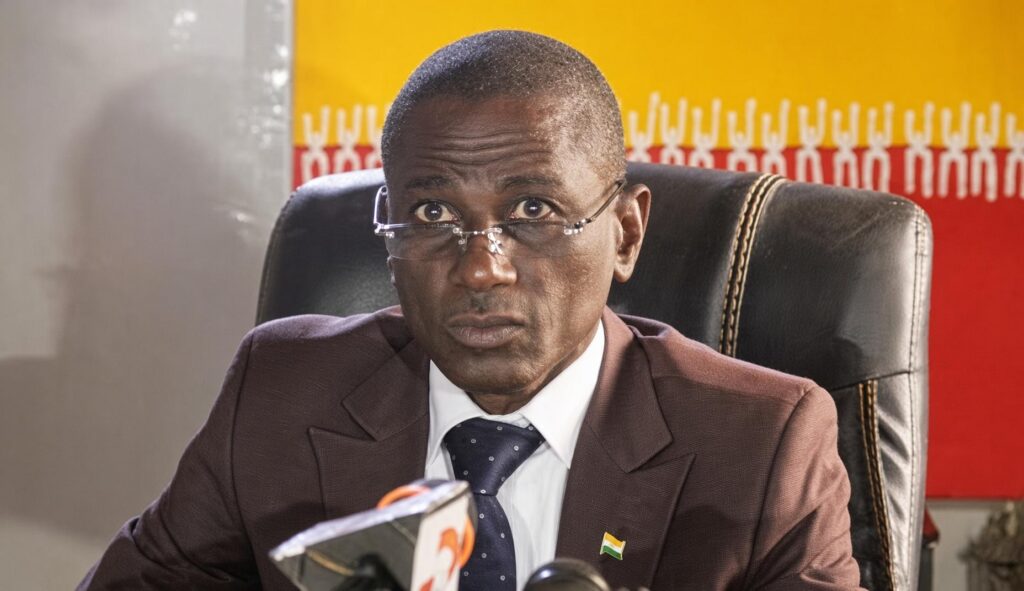
In Kinshasa, on Wednesday, August 12, Dieudonné Bolengetenge, the Secretary General for Moïse Katumbi’s Ensemble pour la République and a spokesperson for C64, issued a stern warning. He declared that the coalition would no longer seek counsel but would instead call for public mobilizations if the President failed to initiate a national dialogue. This statement underscored the growing impatience and determination of the Congolese opposition.
The coalition had set Saturday, August 15, as a critical deadline to assess the progress of political dialogue initiated by the President. Simultaneously, they urged the populace to engage in “mobilization and resistance” should the “withdrawal of the proposed referendum law currently under parliamentary review” not be enacted. This call for action highlighted the high stakes involved in the ongoing constitutional reform debate within the DRC.
A measured stride towards resolution
While President Tshisekedi’s concession does not entirely satisfy the demands of the C64, which has vowed to “maintain” its pressure, it has been characterized as “a small step in the good direction.” Prince Epenge, a co-founder of the C64 Coalition, acknowledged this partial progress, suggesting a glimmer of hope amidst the political deadlock in the Democratic Republic of Congo.
A planned demonstration in Kinshasa by the C64, initially scheduled for July 22, was postponed following interventions from the Catholic and Protestant Churches of Congo. These influential religious bodies had appealed to all political actors to prioritize dialogue, emphasizing the need for peaceful resolution in the delicate landscape of African politics.
Beyond the C64, a collective of 65 Congolese civil society organizations also voiced their concerns. In a memorandum submitted on Monday, August 10, to the Head of State and other key national institutions, they implored Félix Tshisekedi to abandon his proposed constitutional referendum. These organizations argued that “such an initiative would, on the contrary, risk exacerbating political tensions, worsening social fractures, and diverting institutions from the nation’s true priorities.” This collective plea underscores the broad societal apprehension regarding the potential implications of the constitutional changes for the future of the DRC.