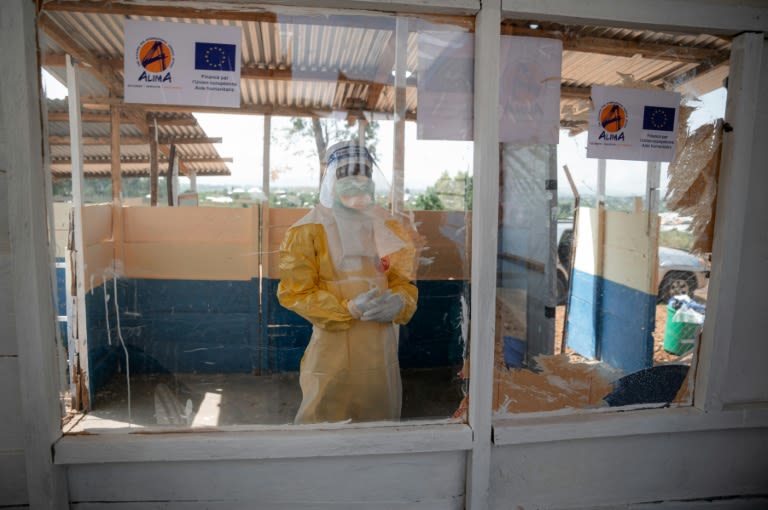
Ebola outbreak in DRC surpasses 2,000 deaths
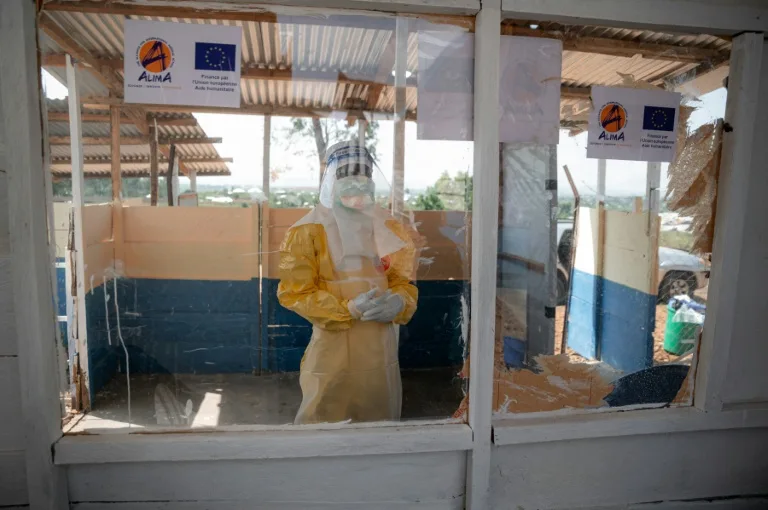
The Ebola outbreak in the Democratic Republic of the Congo (DRC) has now claimed over 2,000 lives, marking a grim milestone as the crisis intensifies. Health officials warn this surge is drawing closer to the country’s deadliest recorded epidemic, which occurred between 2018 and 2020.
The DRC declared its 17th Ebola outbreak on May 15, months behind schedule, and it has since grown into the most severe health emergency of its kind in the nation’s history. Sania Nishtar, CEO of Gavi, the Vaccine Alliance, cautioned that this outbreak could become the largest ever documented worldwide.
According to the latest official figures released by Congolese health authorities on Tuesday, the disease has now killed 2,011 people out of 4,381 confirmed cases. The death toll surpassed 1,000 on July 22.
The 2018–2020 Ebola epidemic remains the most lethal in DRC history, with nearly 2,300 fatalities and 3,500 recorded infections.
Current mortality rates for this outbreak stand at 45.9%, according to health officials.
Health minister warns outbreak has not yet peaked
Samuel Roger Kamba, the DRC’s Minister of Health, cautioned in a televised address that “we have not yet reached the peak” of the outbreak. He expressed cautious optimism, predicting that within the next three months, the spread would begin to slow and cases would decline.
Security threats and public distrust hinder response efforts
The fight against Ebola is being severely hampered by persistent insecurity from armed groups and deep-rooted skepticism among local communities. These challenges are preventing health teams from reaching the majority of infected individuals.
Mohamed Yakub Janabi, WHO Regional Director for Africa, revealed during a press briefing in Bunia, capital of Ituri province, that only 30% of cases are being detected, while 70% of patients are dying at home without medical intervention. He emphasized that “this is why this Ebola outbreak is different” from previous ones.
Vaccine trials and international support
Following recommendations from WHO experts, clinical trials are being prepared to evaluate Ervebo, the only licensed Ebola vaccine, even as it does not target the current Bundibugyo strain. Tedros Adhanom Ghebreyesus, Director-General of the WHO, called the initiative “encouraging news”.
WHO specialists believe there is sufficient data on Ervebo’s safety to proceed directly to Phase 3 trials, typically involving thousands of participants. Supplies of Ervebo, produced by Merck, are being drawn from the global Ebola vaccine stockpile managed by Gavi. This reserve holds approximately 500,000 doses, with a portion maintained in the DRC due to the country’s recurrent outbreaks.
Gavi, founded in 2000, unites public and private donors to help low-income nations access affordable vaccines.
In a separate development, Canada has granted Moderna approval to begin clinical trials for its experimental Bundibugyo vaccine. Two additional vaccine candidates are also under development: the rVSV Bundibugyo vaccine, developed by Hilleman Laboratories and described by the WHO as the “most promising”, and a candidate from the University of Oxford, which administered its first dose to a volunteer in late July.
The United States has committed over $242 million in new funding to support the DRC’s Ebola response.
Ebola, transmitted through contact with bodily fluids, causes severe hemorrhagic fever and has claimed more than 15,000 lives across Africa over the past five decades.
Related posts
Moussa Kaka’s disappearance in Niger: one month on, outrage grows and questions mount
More than a month has passed since Moussa Kaka, a towering figure in Niger’s journalism and...
Mali’s mining standoff breaks: Barrick Gold’s Loulo-Gounkoto deal ignites corruption firestorm
The sudden cancellation of the strike notice at the Loulo-Gounkoto gold complex marks a decisive turning...
Niger’s breaking point: lawyer Lirwana’s jailing ignites a new era of resistance
One courtroom decision in Niamey has become the moment everything changed. With the imprisonment of Maître...