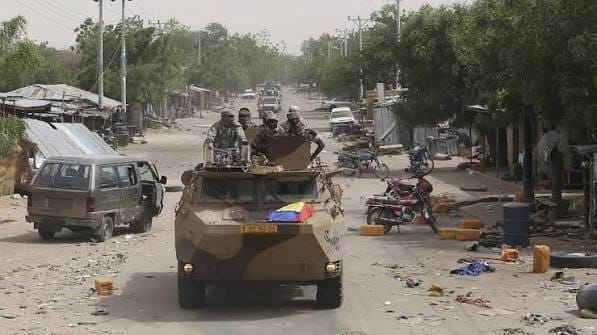
In the southwestern region of Niger, a series of coordinated terror attacks struck villages in mid-July, leaving hundreds of residents displaced and seeking safety in neighboring areas.
The assaults, unprecedented in the Dosso region, unfold near the borders with Nigeria and Benin—a zone that has become increasingly volatile since 2025. Authorities and local observers attribute the violence to extremist factions linked to Al-Qaeda and the Islamic State, as documented by conflict monitoring organizations.
Survivors fleeing the violence have primarily relocated to the Tahoua region, close to the Nigerian border, while others have found temporary shelter in Dogondoutchi, approximately 100 kilometers from Loga. State television footage captured their harrowing journeys, underscoring the human toll of the crisis.
Niger grapples with rising internal displacement
As of 2025, Niger hosts over 450,000 internally displaced persons (IDPs), with the highest concentrations in three regions long plagued by insurgent violence: Tillabéri (west), Diffa (southeast), and Tahoua (central-east). Tillabéri alone accounts for 48% of these displacements, reflecting its status as a frontline in the fight against terrorism.
The latest bloodshed occurred on July 17, when militants targeted a military outpost in western Niger, killing 16 soldiers and injuring 23 more. In the ensuing clash, 15 attackers were neutralized. This attack follows a decade of relentless violence orchestrated by the Islamic State in the Sahel and the Group for the Support of Islam and Muslims (JNIM), an Al-Qaeda affiliate.