Signature: bYU9CuXMOMngPgmD6Q6vvKC/AMqfYm8InPRlBoYu3BbKkFJCbbzQFGHNU2u5WbR9kbW+lHFrWnRBzxbtxIsxfHTHlw4Lo4+sqf07CP0lw+FbYFXy67lKppEzQNi9ydsKLv2kL276J5hOLW3kH10CwVKlEWpzXjqh1/yH6wqGQ3WoF/S5QZJT3BBkpQWBtARZjbBqDz5SyS0dhWdP2+uo1UFY9ttamb4bgbCQJp4ZTIkDXIRepa/1nkmnPTjYI9IVW+AFMs/lDvqgK9b9aSTKwK3yDZTSHwH1tbBv5yGnmKLbiuEc/jzw7lLKm/vM4LZ8QVKdwV+VLYfjNv98+VUP0a80r09cuKXoyWmqlW35RgWUP3Evc7wLQmbmAK1cL3rPP50p7Nx9cYd3J+Q2CybMP2Cla8pNLC5nSde99C87+S8CHZt531D17q+g3BTb/bSKYxywmReS/AzIFuu3slAywbfWt4HYJBgZgN55HSx+enBkIhx8Kb42/9eWwhkSZmWIUKqfN40eCD1RwXv4xNril/DPrEXIM2OpgP6Sb9QNz4OYHEQyijoy/yuAvhtdjKLZpxf9gBCc7cyIdoQ7d0M8U7EfJF8uwcVt2h0e4cTq8dJuh9X4k1wwPJxtCi3sOMPHd//JEo/73e//rKHm8poYNLBd0EoiWsbIwM4CyaADIm3iXORxK/DUhFR2+p7hsK2U7M0hl3v3Kut++T/S9lpPYsIKgd+IwrrHSfPNEIBAZfq6Wjo+rRRYDVfuvrL4yXKoTjDfLtV+H756A/69KmZLDjwH9NF0PVNksc2GSiO6vFAg8530XS+2nUFdqNogFFMQDNx4O8g2TAs/2Lk+cGGFX46+fTV9MHt0OkL972Hh2Y9eZaVzcsTYZu1b+hkAZrf9PvAN5HyTEFNPJpgG/3SvmHPD3wqG8SG0GfQmgT86uzqDhVaq0dYFaxpb+8KHgjKFOQe0sE5oxww1bJZ8Dw8EzT9sKtB8w9FcVQdufNTH5HY=
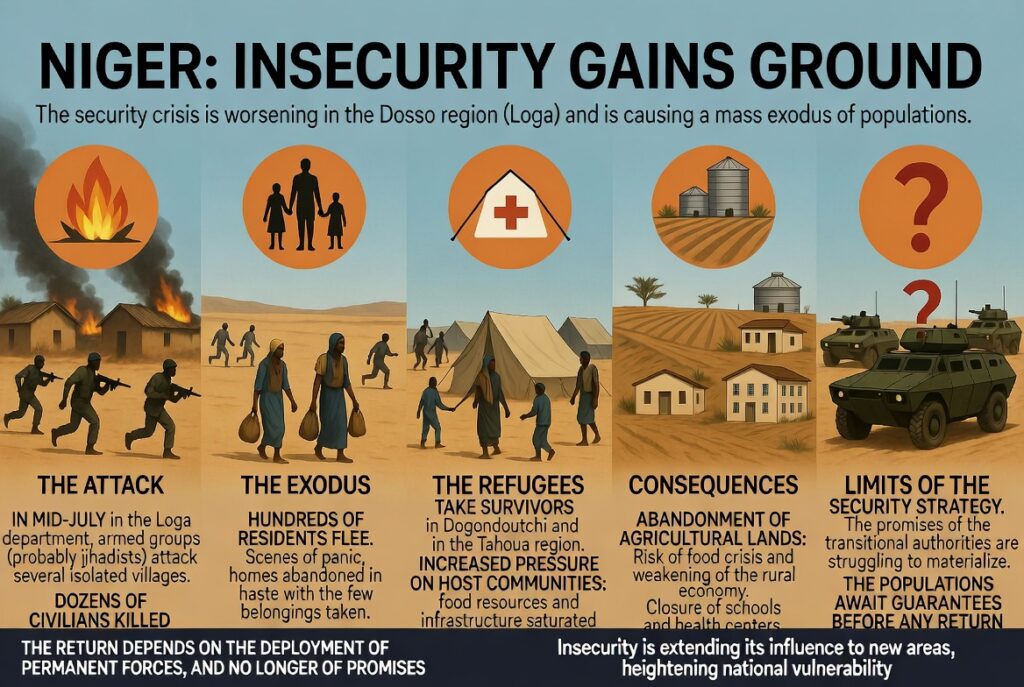
Niger’s Dosso region, particularly the Loga department, has experienced a dramatic surge in violence in recent weeks, with mid-July attacks displacing hundreds of residents. While military officials had promised heightened protection, civilians remain exposed to sudden and devastating incursions by armed factions, exposing a critical gap in regional security.
Survivors recount harrowing escapes amid targeted assaults
Testimonies from affected communities depict scenes of chaos as armed groups exploited weak security protocols to launch brutal raids on remote villages. Many residents fled under heavy gunfire, abandoning homes and possessions to escape the onslaught. The attacks resulted in significant casualties, leaving families and entire communities reeling from the sudden violence.
Displaced populations strain already fragile host regions
The majority of those uprooted have sought refuge in Dogondoutchi and surrounding areas in Tahoua, regions once deemed more secure. However, this mass displacement has placed immense strain on local infrastructure, which was already crippled by economic hardship, inadequate services, and persistent food shortages.
Government assurances clash with mounting insecurity
Despite repeated declarations from Niger’s transitional leadership that national security remains its top priority, violent incidents continue to spread, encroaching deeper into both border and inland areas. This persistent instability raises serious doubts about the efficacy of current military strategies and the long-term viability of troop deployments.
A shattered trust in security promises
For displaced families, the prospect of returning home is no longer a temporary retreat but a demand for absolute assurances of safety. Many now insist that sustainable peace can only be achieved through a robust and permanent military presence capable of deterring future attacks. Local officials have vowed to intensify security operations in Loga to facilitate safe returns, but skepticism among residents runs deep. Memories of unfulfilled pledges and recurring violence have eroded public confidence in half-measures.
Humanitarian crisis deepens as conflict disrupts daily life
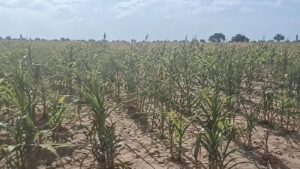
The violence has left farmlands abandoned, crippling food production and rural livelihoods already weakened by years of instability. Schools are shuttering, medical facilities are struggling to function, and trade networks are collapsing under the strain, pushing resilient communities to the brink of survival. Humanitarian organizations report a critical shortfall in resources as displaced families scramble for food, clean water, medical care, and shelter.
Armed factions exploit systemic vulnerabilities
The widening footprint of violence now infiltrating areas previously considered stable signals a dangerous escalation. Armed groups appear to be capitalizing on structural weaknesses in Niger’s defenses, deepening their operational reach. For the people of Loga, the message is clear: without decisive security measures, the cycle of displacement will persist, further undermining Niger’s social, economic, and humanitarian resilience.