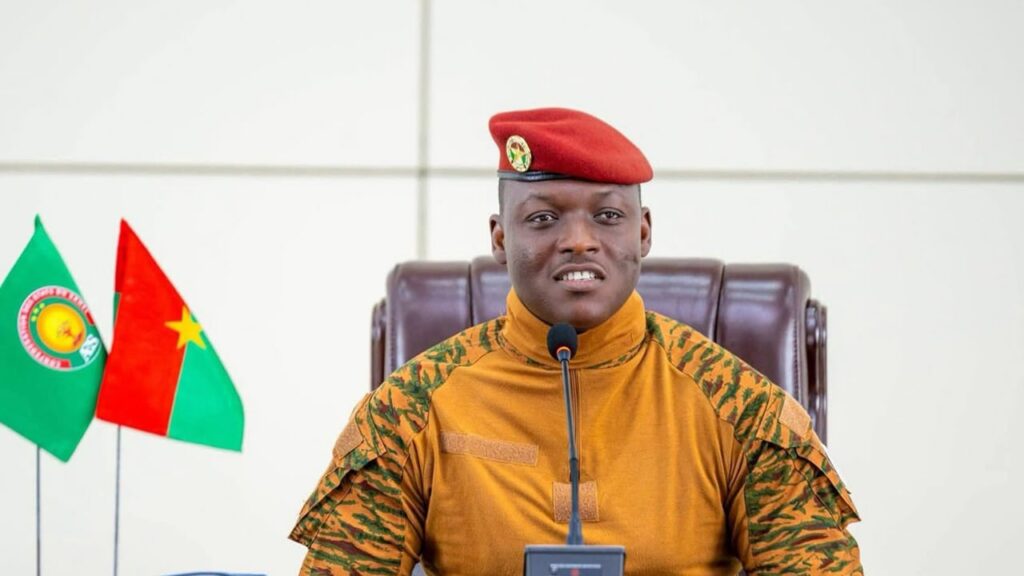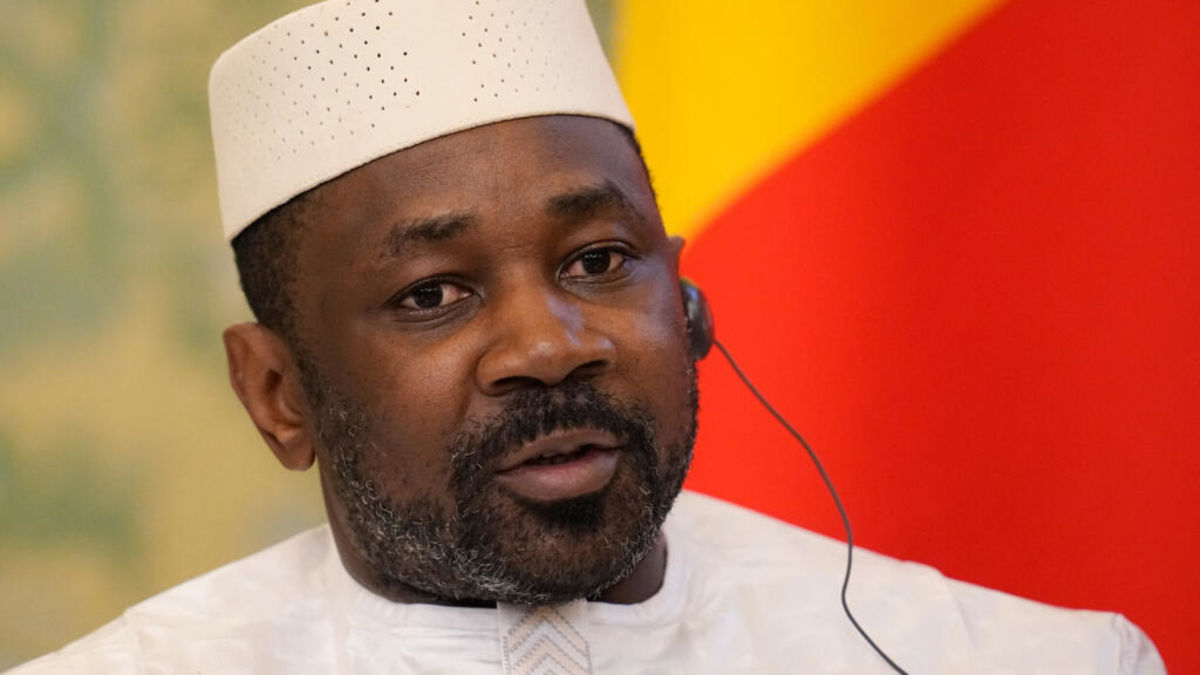
As Mali marks its Independence Day on September 22, transitional leader General Assimi Goïta addressed the nation on September 21, highlighting the country’s economic progress, pledging to intensify efforts against armed terrorist groups, and advocating for national reconciliation.
Goïta, who seized power over six years ago without elections and maintains his position with support from the Russian Africa Corps, also emphasized Mali’s continued pursuit of sovereignty within the Alliance of Sahel States (AES).
Malians demand tangible results
The president’s speech, however, has drawn sharp criticism from opposition figures both inside and outside the country. Those within Mali face severe restrictions, leaving dissenting voices largely unheard.
One prominent critic, Etienne Fakaba Sissoko, resides abroad. A former academic turned opposition leader, he serves as spokesperson for the Coalition of Forces for the Republic (CFR), led by Imam Dicko, which unites political and civil society opponents in exile.
Sissoko expressed disappointment with Goïta’s address, arguing that the 66th anniversary of Mali’s independence should not be conflated with the transition’s performance. In an interview with David Baché, he stated:
« One can deeply love Mali, support our soldiers, and defend our sovereignty while still demanding accountability from those who have seized power. Malians need results: safety to travel, jobs to sustain their families, reliable electricity, freedom to live without fear, and a genuine political future. »
He criticized the omission of Russia’s role in the president’s speech, calling it a tacit admission of failure. « The partnership’s outcome is clear, » he noted. « Just days ago, the Dioura attack occurred—a brutal assault by Jnim terrorists, linked to al-Qaeda, that killed over a hundred Malian soldiers and left many more captured. »
« Mali is in mourning, not celebration »
Sissoko concluded with a stark assessment of the nation’s condition:
« Today, Mali is in sorrow. The country’s decline has reached unprecedented levels in our political history. I refuse to celebrate this day. I mourn. The state of Mali today does not honor those who govern it. »