Armed forces and allied militias accused of targeted killings in Ségou
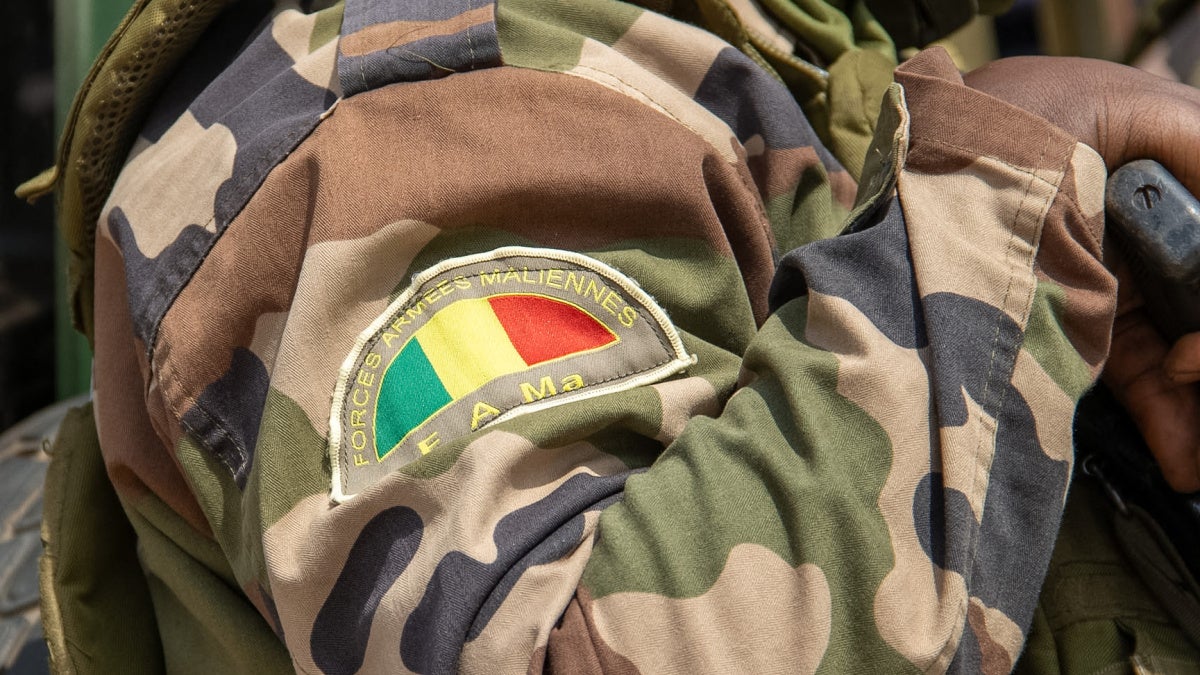
Military personnel from the Malian Armed Forces (FAMA) and allied Dozos militias stand accused of carrying out deliberate attacks against civilians in two villages within the conflict-stricken Ségou region. On October 2 and October 13, at least 31 villagers—including women and men—were killed, and several homes were set ablaze, according to local testimonies compiled during field investigations.
Village of Kamona: Execution-style killings and arson
On the morning of October 2, armed forces personnel arrived in Kamona aboard seven pick-ups and three armored vehicles, accompanied by Dozos militiamen on motorcycles. Witnesses reported that the Jama’at Nusrat al-Islam wa al-Muslimeen (JNIM), an Al-Qaeda-affiliated group, had alerted residents of the approaching military, prompting many to flee. Those who remained were systematically rounded up and executed, survivors recounted.
At least 21 men were killed in cold blood, and ten homes were torched. In the aftermath, villagers discovered 17 bodies beneath a large tree and four more north of the village. A 40-year-old herder, who had hidden with his nine-year-old daughter, described the scene: “The bodies were riddled with bullets. One man’s head was completely crushed.” Another survivor, a 39-year-old man, revealed that the 17 victims were buried in a mass grave under the tree, while the additional four were interred in another location after being found with bullet wounds to the abdomen and head.
The list of victims, provided by locals, included 21 men aged 20 to 65. However, villagers suspect the toll may be higher, with rumors of at least 15 additional men killed in nearby bushland. Fear of further military reprisals prevented them from confirming these claims.
Village of Balle: Another wave of violence
Thirteen days later, on October 13, the same pattern of violence unfolded in Balle, located approximately 55 kilometers from Kamona. Military forces arrived in five pick-ups, while Dozos militiamen arrived on over 30 motorcycles. The sudden incursion forced some residents to flee, while others were subjected to brutal treatment.
A 24-year-old man recounted witnessing soldiers conducting door-to-door searches, assaulting men with punches and kicks. From his hiding place, he heard gunshots. By the time the attackers departed, ten civilians lay dead—nine men aged 22 to 67 and one woman aged 55. The assailants also looted over 100 cattle before leaving the village.
The victims were found sprawled in the village center, their bodies bearing signs of extreme violence. A 33-year-old man described the aftermath: “They were lying side by side, riddled with bullets. Some had broken limbs.” The daughter of the slain woman, aged 21, shared her account: “My mother confronted the soldiers, accusing them of abusing the villagers. They dragged her to where the men were gathered and shot her.”
Military denies responsibility amid conflicting narratives
In an October 14 statement, the Chief of Staff of the Malian Armed Forces claimed that a “reconnaissance offensive” near Balle had resulted in the “neutralization of around twenty terrorists” and the seizure of military equipment. However, residents of Balle disputed this account, asserting that the village has been under JNIM control for years. “We pay zakat to them annually,” one villager explained. “They resolve disputes. The army assumes we are JNIM fighters because they make no distinction between us and them.”
Escalation in central Mali amid ongoing conflict
The recent attacks in Ségou follow a series of offensives by JNIM, including a high-profile assault on the Siribala sugar factory in August. The surge in violence has contributed to a humanitarian crisis, with over 402,000 internally displaced persons since 2012. Both state forces and armed groups have been documented committing grave violations, including extrajudicial killings, torture, and destruction of property.
International humanitarian law prohibits attacks on civilians, summary executions, and cruel treatment of detainees. Perpetrators of war crimes may face prosecution under the Rome Statute, despite Mali’s withdrawal from the International Criminal Court (ICC) in September 2023. The ICC retains jurisdiction over crimes committed before September 2026, with an ongoing investigation into alleged war crimes in Mali since 2012.
Regional response falls short amid deteriorating security
The African Union (AU) has faced criticism for its limited action in addressing the escalating conflict in Mali. Despite its mandate to promote peace and security, the AU’s Peace and Security Council has confined its response to issuing statements expressing concern, without implementing concrete measures to hold perpetrators accountable.
Human rights advocates emphasize the urgent need for a coordinated regional and international response to curb abuses by all parties involved. “The AU must prioritize the Malian conflict,” said a senior researcher. “Regular briefings, strengthened diplomatic efforts, and coordinated accountability measures are essential to ending the cycle of violence.”