Eyewitness Accounts Reveal Brutal Killings in Ségou Region
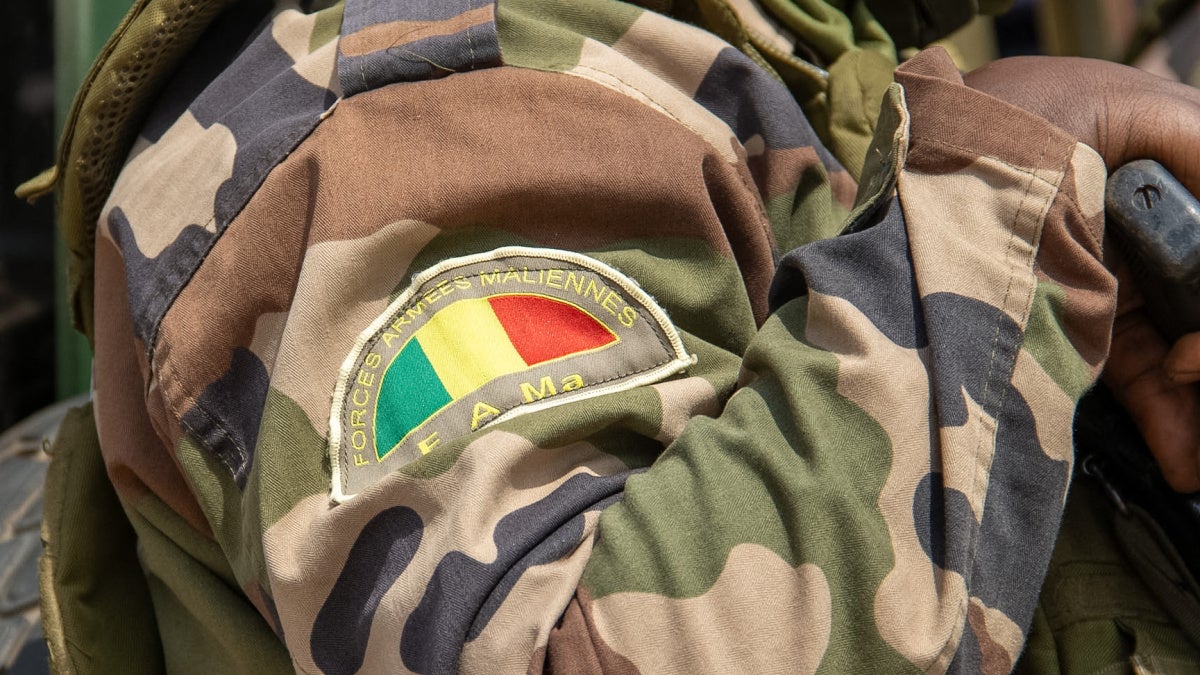
Dramatic testimonies from survivors describe how soldiers from the Malian Armed Forces (FAMA) and allied Dozos militia executed at least 31 civilians—21 men in Kamona on October 2nd and 10 more in Balle on October 13th—while burning homes in this volatile central region.
October Violence Leaves Deep Scars in Rural Communities
In Kamona, attackers arrived in seven pickup trucks, three armored vehicles, and on motorcycles around 10 a.m., targeting men solely based on ethnicity and alleged ties to armed groups. Survivors report that those who couldn’t flee were rounded up and shot at point-blank range. Seven bodies were later found beneath a single tree, with others scattered nearby. Witnesses confirmed the attackers wore military camouflage and traditional Dozo attire, including distinctive amulets.
A local shepherd recounted discovering 17 bullet-riddled bodies in an abandoned house: “One man’s head was completely shattered. Spent cartridges littered the ground.” Community leaders provided names of 21 male victims aged 20 to 65, though residents suspect the toll may be higher, with reports of at least 15 additional men killed in surrounding bushland during the same assault.
In Balle, 55 kilometers away, soldiers and Dozos militants stormed the village around 1 p.m. on October 13th. A 24-year-old resident described hearing gunfire after soldiers forcibly entered homes, assaulting men and stealing over 100 cattle. Ten bodies were later found—nine men and one 55-year-old woman—laid out in the village center with visible signs of torture.
Military Denies Wrongdoing Amid Escalating Conflict
The Malian Army’s Chief of Staff claimed the October 13th operation in Balle was a “defensive reconnaissance” that “neutralized around 20 terrorists” and seized weapons. However, residents insist the village has been under the control of the Group to Support Islam and Muslims (JNIM) for years, paying Islamic taxes (zakat) and resolving disputes through jihadist courts. “The army doesn’t distinguish between us and them,” one villager explained. “We’re trapped between two fires.”
Human Rights Watch Calls for Accountability
“The October massacres in Ségou are the latest in a pattern of atrocities linked to Mali’s armed forces and their allies,” stated a senior Sahel researcher. The organization documented similar abuses in previous months, including the burning of Fulani-owned huts in Kamona. Survivors allege military forces summarily executed civilians accused of collaborating with JNIM, despite no evidence of active combat in either village.
International humanitarian law prohibits deliberate attacks on civilians, extrajudicial killings, and destruction of property. The Mali conflict, now in its twelfth year, has displaced over 400,000 people and killed thousands. Since Mali’s withdrawal from the International Criminal Court (ICC) in 2025, accountability mechanisms remain limited, though the ICC retains jurisdiction until September 2026.
Regional Inaction Fuels Cycle of Violence
Critics argue the African Union has failed to address Mali’s deepening crisis, despite its mandate to uphold peace and security. Calls for urgent diplomatic intervention and coordinated regional action have gone unheeded, leaving civilians caught in the crossfire of a war where accountability is rare.
The Malian government has yet to respond to requests for comment on the allegations.