Civilian killings in Ségou region amid escalating violence
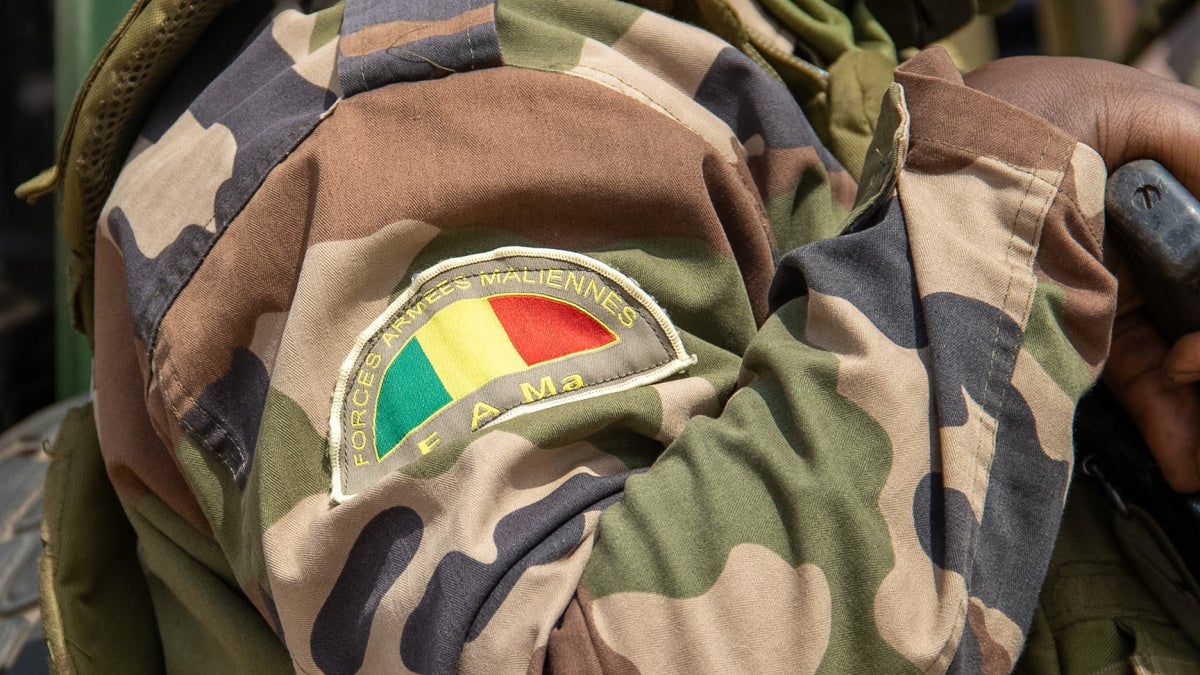
In a series of brutal attacks during October, Malian armed forces and allied Dozo militias executed at least 31 civilians in two villages under the control of Islamist insurgents. The killings occurred on October 2 in Kamona and October 13 in Balle, both located in central Mali’s Ségou region—a hotbed of conflict between government forces and the Group for the Support of Islam and Muslims (JNIM), an Al-Qaeda affiliate.
Execution-style killings and village burnings
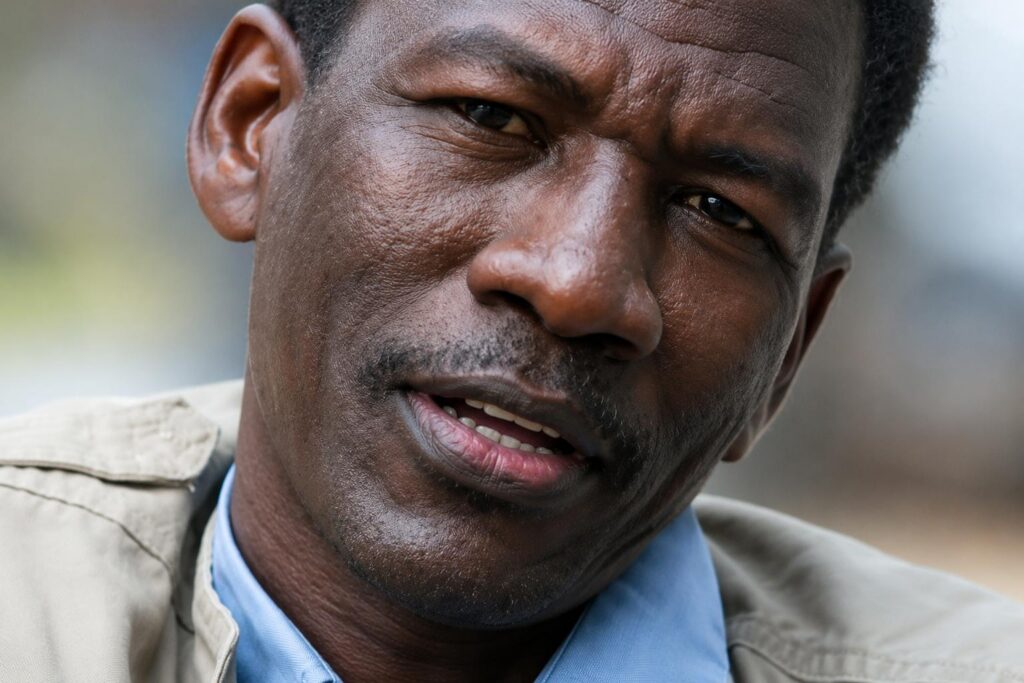
On October 2, soldiers in camouflage uniforms, accompanied by Dozo militiamen on motorcycles, stormed Kamona. Witnesses reported that the soldiers rounded up and summarily executed at least 21 men, including several whose bodies were later found under a tree. The attackers also torched at least 10 homes and three storage sheds belonging to Fulani residents. A 40-year-old shepherd, who hid with his 9-year-old daughter, described discovering 17 bullet-riddled bodies, some with crushed skulls. Survivors claimed that many other men may have been killed in nearby bushland, though fear prevented them from verifying the exact number.
By evening, villagers had buried 17 of the victims in a mass grave beneath the tree, while four more bodies were found and interred farther north. All were men aged 20 to 65. Local leaders provided a list of the dead, though they suspect additional casualties.
Second attack leaves 10 more dead in Balle
Thirteen days later, a similar scene unfolded in Balle, another village under JNIM control. Soldiers arrived in five pickup trucks, accompanied by at least 30 Dozo militiamen on bikes. A 24-year-old man recounted how soldiers went door-to-door, assaulting men before opening fire, forcing residents to flee. The attackers killed 10 civilians—nine men aged 22 to 67 and a 55-year-old woman—and stole over 100 cattle. The bodies were found strewn in the village center, some with broken limbs, a testament to the brutality of the assault.
A 33-year-old resident described the aftermath: “They lay side by side, riddled with bullets. Some had shattered legs and arms.” The woman’s daughter tearfully recalled how her mother, defiantly confronting the soldiers, was dragged away and executed alongside the men.
Military denies responsibility amid conflicting narratives
The Malian army’s chief of staff claimed in a statement that the October 13 operation in Balle was a “offensive reconnaissance” that resulted in the “neutralization of around twenty terrorists” and the seizure of military equipment. However, residents dismissed this account, insisting that Balle had been under JNIM control for years. “We pay zakat to the jihadists,” one man explained. “They settle disputes here. There are no soldiers, gendarmes, or police. The army doesn’t distinguish between us and them.”
Rising civilian toll in Mali’s decade-long conflict
Since 2012, Mali has been locked in a brutal war against Islamist armed groups, leaving thousands of civilians dead and displacing over 400,000 people. Both government forces and insurgents have been accused of grave abuses. The recent escalation followed a JNIM blockade of Bamako, cutting off fuel supplies and forcing the military junta to shut down all schools and universities in the capital. The siege has further strained an already dire humanitarian situation.
International humanitarian law prohibits attacks on civilians, murder, and cruel treatment. Those responsible for war crimes—whether through direct action or command responsibility—can face prosecution. Though Mali withdrew from the International Criminal Court (ICC) in September, it remains a party to the Rome Statute until September 2026. The ICC opened an investigation into alleged war crimes in Mali in 2013.
The African Union (AU) has faced criticism for its limited response to the crisis. Human rights advocates urge the AU’s Peace and Security Council to prioritize Mali, warning that without urgent diplomatic and coordinated action, accountability for atrocities will remain elusive.