Gruesome killings in central Mali prompt calls for justice
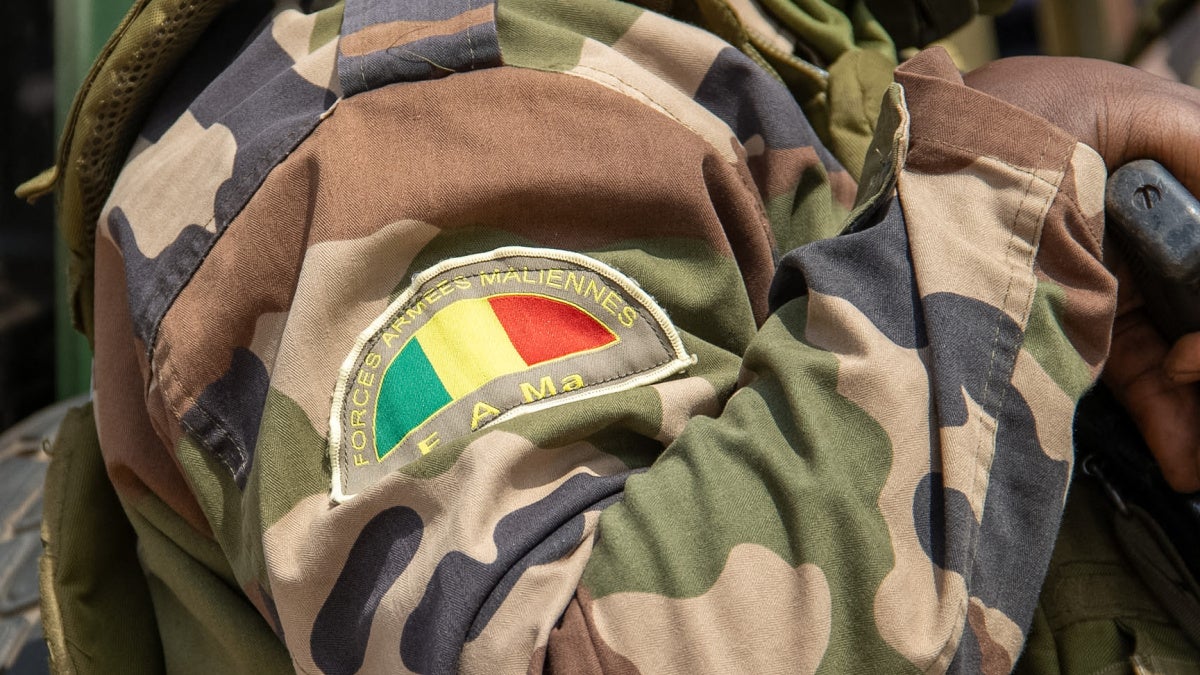
The Malian army and allied Dozos militias stand accused of executing at least 31 civilians and torching homes in two villages in the conflict-ridden Ségou region during early October, according to fresh accounts from local witnesses and community leaders.
The first of these tragic incidents unfolded on October 2 in Kamona, where soldiers operating seven pickup trucks, three armored vehicles, and Dozos on motorcycles stormed the settlement. Survivors reported that suspected Jama’at Nusrat al-Islam wal-Muslimeen (JNIM) militants had alerted villagers of the approaching forces, triggering a mass exodus. Those unable to flee were rounded up and shot dead, witnesses testified.
Ten huts and three storage buildings belonging to Fulani residents were set ablaze, while seventeen bodies were later recovered beneath a single tree. A 40-year-old herder, who had hidden in an abandoned home with his nine-year-old daughter, described the horrific scene: « The victims were riddled with bullets; one man’s skull was shattered. Spent cartridges littered the ground. »
Local leaders provided names of 21 male victims aged 20 to 65, though some residents claimed up to 15 additional men may have been killed in surrounding bushland. « We heard the gunfire but dared not investigate, fearing the soldiers’ return, » said a Kamona elder.
A second massacre occurred on October 13 in the nearby village of Balle, some 55 kilometers away. Soldiers in five pickup trucks, accompanied by at least 30 Dozos on motorcycles, descended on the settlement. A 24-year-old resident recounted: « I stayed briefly before fleeing when I saw soldiers kick and slap men door-to-door. From my hiding place, I heard gunshots. »
Ten civilians—nine men aged 22 to 67 and a 55-year-old woman—were killed, and over 100 cattle were stolen. The victims’ bodies were found clustered in the village center, some with broken limbs. The woman’s daughter tearfully recalled: « My mother confronted the soldiers, accusing them of brutality. They dragged her to where the men were held and shot her. »
Military authorities claimed the October 13 operation was an « offensive reconnaissance » that « neutralized around twenty terrorists » and seized weapons. However, residents insisted Balle had been under JNIM control for years. « We pay zakat to them annually, » said a local man. « They resolve disputes; there are no soldiers or police here. The army makes no distinction between us and them. »
The Malian junta has faced repeated accusations of human rights violations during counterterrorism operations, including extrajudicial killings, torture, and indiscriminate attacks on civilians. Since 2012, over 402,000 people have been displaced by the conflict, which has claimed thousands of lives. Both state forces and Islamist militants have been implicated in atrocities.
International law, including Common Article 3 of the Geneva Conventions and customary war rules, prohibits attacks on civilians, murder, and cruel treatment. Perpetrators or commanders who commit or enable such crimes may face prosecution for war crimes. Despite Mali’s withdrawal from the International Criminal Court (ICC) in September, the court retains jurisdiction over alleged crimes committed before September 2026, following an ongoing investigation opened in 2013.
The African Union has been criticized for its limited response to the escalating crisis. Analysts urge the Peace and Security Council to prioritize Mali, intensify diplomatic efforts, and coordinate regional action to hold all parties accountable for abuses.