Civilian deaths and destruction in Ségou following armed clashes
In the heart of Mali’s central region, two villages became the grim stage for a brutal confrontation on October 2 and 13, where a combined force of Malian soldiers and allied militias unleashed violence that left at least 31 civilians dead and entire homes reduced to ashes. The attacks unfolded in Kamona and Balle, both located in Ségou, an area long contested by armed groups linked to Al-Qaeda.
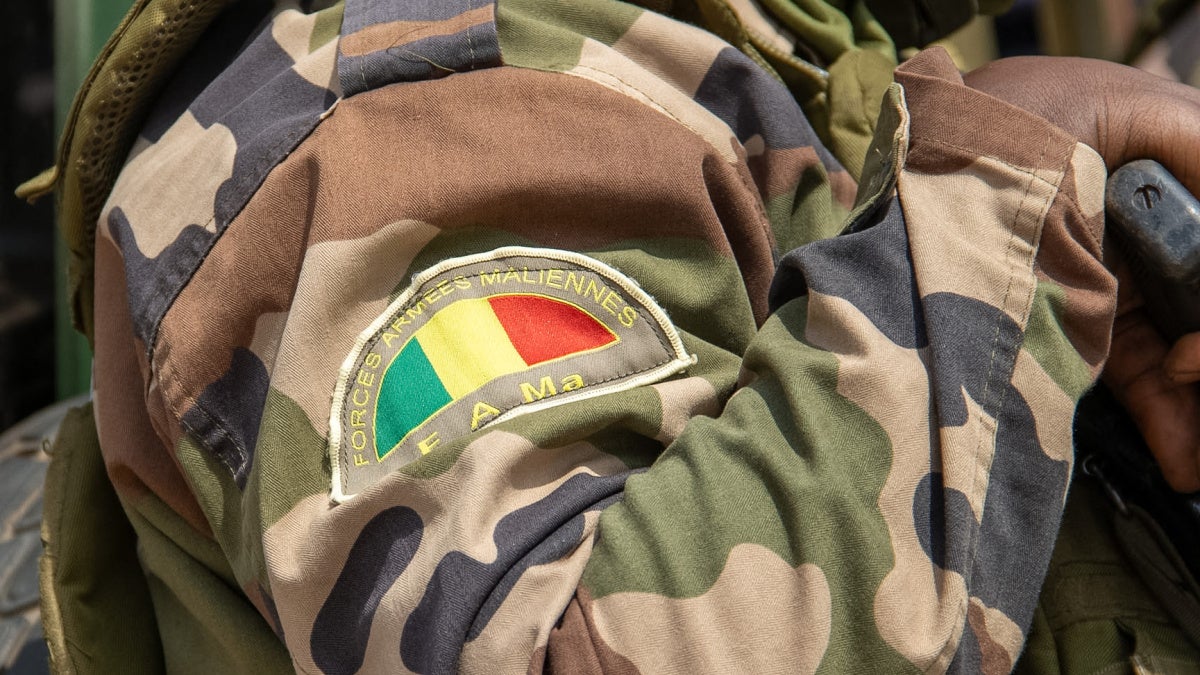
On October 2, just before midday, military vehicles—including at least seven pickup trucks and three armored carriers—rolled into Kamona alongside dozens of Dozo militiamen on motorcycles. The Dozos, a predominantly Bambara ethnic militia that has fought alongside government forces for over a decade, conducted house-to-house searches targeting men. Survivors recounted how those unable to escape were gathered and executed on the spot.
«Anyone who couldn’t run was caught and killed without hesitation», shared a local survivor who hid in an abandoned building. By late afternoon, at least 21 men lay dead, their bodies riddled with bullets. Among the ruins, 10 homes and three storage buildings belonging to Fulani villagers were set ablaze, further deepening the destruction.
Witnesses identified the attackers by their camouflage uniforms and the traditional charms worn by the Dozos around their necks. Before the assault, residents had received warnings from Islamist fighters, prompting many to flee. Yet, those who remained paid the highest price.
Seventeen bodies were later discovered beneath a large tree, with four more found scattered north of the village. All showed signs of gunshot wounds to the head and torso. A 40-year-old herder who had taken refuge with his nine-year-old daughter described the horrific scene: «The bodies were strewn across the ground, some with shattered skulls. Spent cartridges littered the area.»
Local leaders provided a list of the 21 victims, all men aged 20 to 65. Rumors persist that at least 15 additional men were killed in nearby bushland, though fear prevented villagers from verifying the claims.
Second attack leaves nine more dead days later
On October 13, just after 1 p.m., the same pattern of violence unfolded in Balle, 55 kilometers from Kamona. Five military pickups and at least 30 motorcycles carrying Dozo fighters entered the village, sparking panic. Some residents fled immediately, while others became targets of violence.
A 24-year-old man who initially stayed behind recalled: «I saw soldiers going door to door, beating and kicking men.» From his hiding place, he heard gunfire erupt. When the attackers left, he found 10 bodies—nine men and one woman—lying in the village center. Some victims showed signs of blunt force trauma in addition to gunshot wounds.
The attackers also seized over 100 cattle before departing, depriving the community of vital livestock. The daughter of the slain woman, aged 21, recounted her mother’s final moments: «She confronted the soldiers, accusing them of mistreating villagers. They dragged her to where the men were gathered and shot her.»
Balle has been under the control of the Group for the Support of Islam and Muslims (GSIM) for years. Residents confirmed paying Islamic taxes (zakat) and relying on the group to resolve disputes, as government forces were absent. «The army doesn’t distinguish between us and them. They assume everyone is a GSIM fighter,» explained a local elder.
Calls for accountability amid escalating violence
These attacks followed a surge in GSIM operations, including a high-profile assault on the Siribala sugar refinery in August that cut off a critical supply route. The escalation prompted the Malian junta to temporarily close all schools and universities in Bamako, the capital, as fuel shortages crippled the city.
Human rights advocates have long documented abuses by Malian forces and allied militias during counterinsurgency operations. International humanitarian law strictly prohibits attacks on civilians, executions, and cruel treatment. Perpetrators of such crimes—whether acting under direct orders or command responsibility—can be prosecuted for war crimes.
Though Mali withdrew from the International Criminal Court (ICC) in September, it remains bound by the Rome Statute until September 2026. The ICC opened an investigation into alleged war crimes in Mali in 2013, but accountability efforts have stalled in recent years.
Regional bodies, including the African Union (AU), have yet to take decisive action despite the worsening crisis. Analysts urge the AU’s Peace and Security Council to prioritize Mali, warning that delayed responses only embolden perpetrators of violence.
«The AU must move beyond public statements and coordinate stronger regional and international efforts to hold all parties accountable,» stressed a senior researcher familiar with the conflict. «Silence enables further atrocities.»