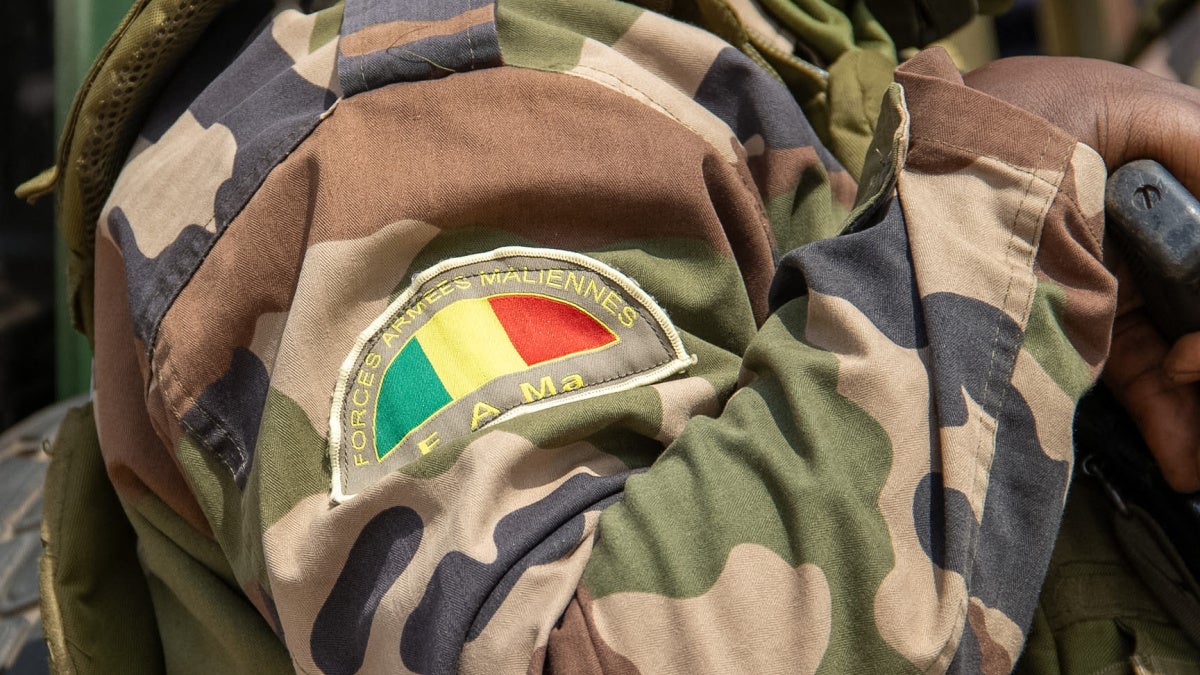
In a distressing escalation of violence in central Mali, soldiers from the Malian Armed Forces and allied militias have been accused of executing at least 31 civilians and torching homes during raids on two villages in the Ségou region on October 2 and 13.
Villages targeted under suspicion of ties to armed groups
On October 2, Malian troops accompanied by dozos—traditional hunters turned counterinsurgency allies—allegedly stormed the village of Kamona. Witnesses reported that soldiers and militiamen rounded up and summarily executed at least 21 men, while torching over 10 homes. The dozos, predominantly from the Bambara ethnic group, have been active in anti-jihadist operations for over a decade.
Just two weeks later, on October 13, a similar operation unfolded in the nearby village of Balle, some 55 kilometers away. Nine men and one woman were reportedly killed in the attack, which also involved troops and dozos seizing over 100 cattle from residents. Survivors described how soldiers conducted house-to-house searches, assaulting men before executing them.
Both villages lie within areas controlled by the Group for the Support of Islam and Muslims (GSIM), an Al-Qaeda-linked faction that has intensified attacks across central Mali, including a high-profile assault on the Siribala sugar factory in August.
Witness accounts reveal brutal tactics
Survivors and community leaders provided harrowing details of the raids. In Kamona, a 40-year-old herder recounted hiding with his 9-year-old daughter as masked soldiers and dozos—identified by their traditional charms and camouflage uniforms—methodically hunted down men. By evening, he discovered 17 bodies under a tree, including one with a shattered skull. A 39-year-old man, who helped bury the dead, described a second mass grave with four additional victims, all shot in the abdomen and head.
In Balle, a 24-year-old man witnessed soldiers dragging men from their homes, slapping and kicking them before opening fire. He later found 10 bodies sprawled in the village center, some with broken limbs. The attackers also looted livestock, leaving residents destitute.
Military denies wrongdoing amid conflicting narratives
The Malian military has framed the October 13 raid as a successful “offensive reconnaissance” operation near Balle, claiming it neutralized “around 20 terrorists” and seized weapons. However, locals contradict this account, stating that GSIM fighters fled before the attack and that Balle has been under jihadist control for years, where residents pay Islamic taxes and settle disputes through the group’s courts.
“The army doesn’t distinguish between us and them,” said one resident. “They assume we’re all GSIM fighters.”
Accountability and international response
Human rights advocates have condemned the killings as potential war crimes, urging Malian authorities to conduct transparent investigations and hold perpetrators accountable. Since 2012, Mali’s conflict has claimed thousands of civilian lives and displaced over 400,000 people. Both state forces and armed groups, including GSIM, have been implicated in atrocities.
In a rare move, the African Union (AU) has largely remained silent despite its mandate to address regional security crises. Analysts call for urgent AU action, including diplomatic pressure and coordinated international efforts to ensure justice for victims of all parties involved.
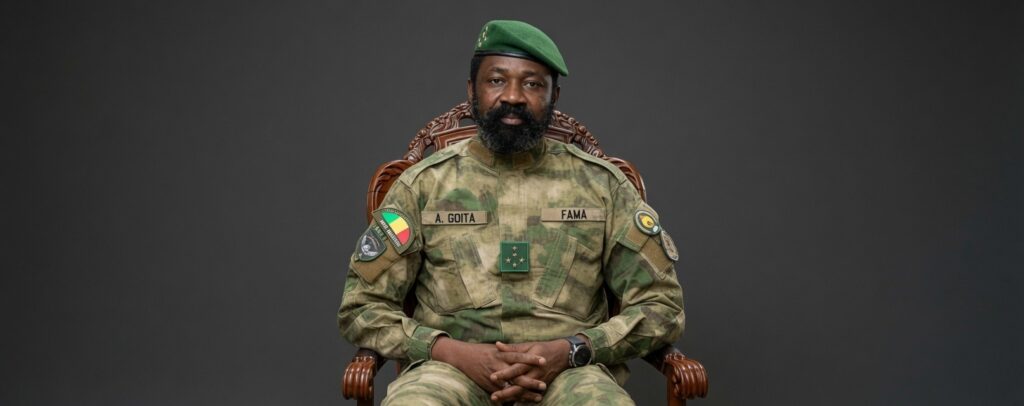
The Malian junta, which seized power in a 2020 coup, continues to face scrutiny over its counterterrorism strategies. Meanwhile, GSIM’s siege on Bamako since September has crippled the capital’s fuel supply, prompting the closure of schools and universities—a tactic that has further destabilized the nation.
Under international humanitarian law, all conflict parties must refrain from targeting civilians, torture, or unlawful executions. While Mali’s withdrawal from the International Criminal Court (ICC) in September limits immediate prosecution, the country remains bound by the Rome Statute until 2026, leaving room for future accountability.