




Senegal’s 2027 budget triggers debate on debt, education, and Casamance development
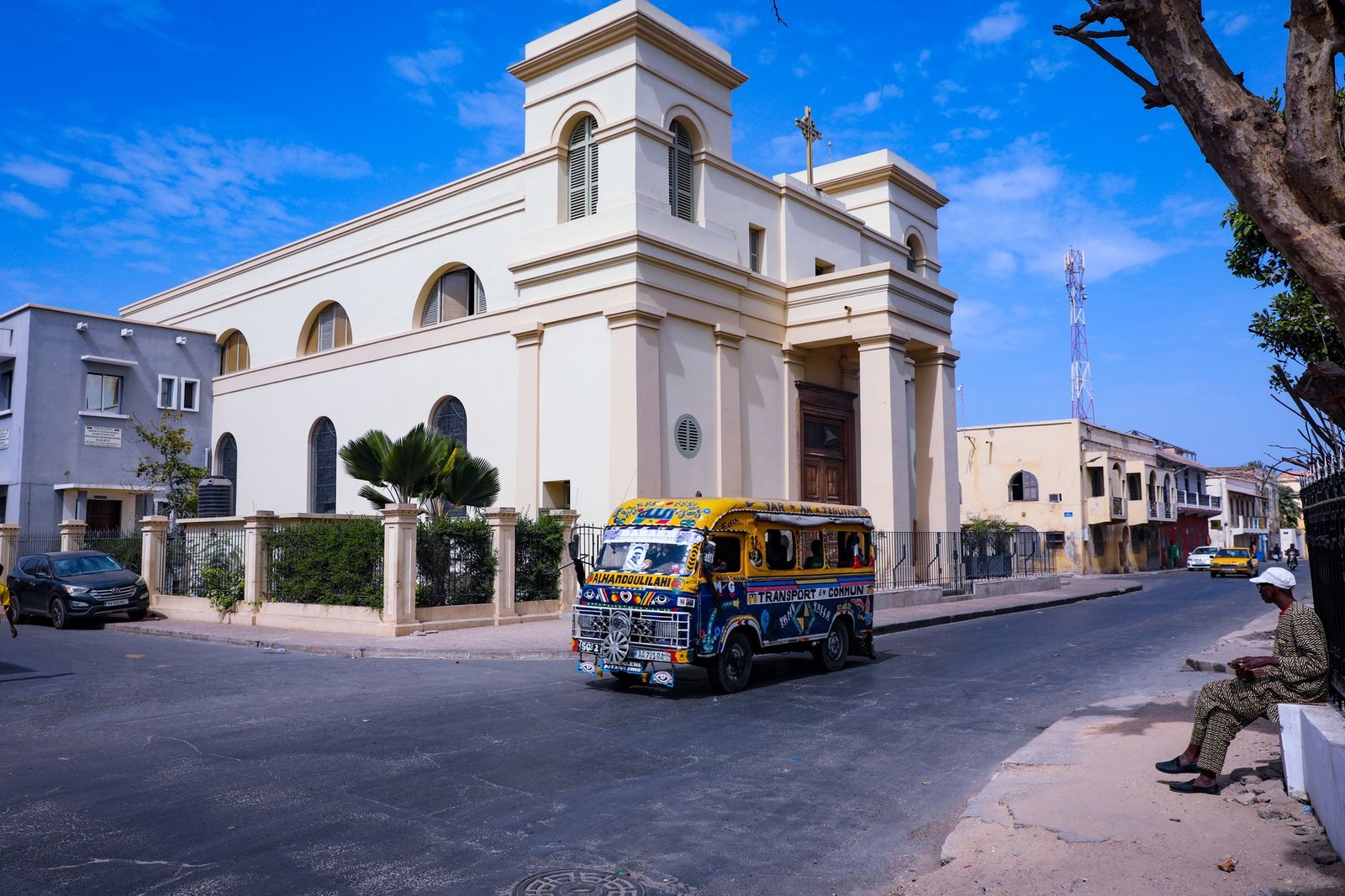
Senegal’s 2027 budget proposal has sparked intense public and political reactions, revealing deep tensions between economic austerity demands and the government’s push for ambitious human capital and infrastructure investments. The budget, unveiled by President Bassirou Diomaye Faye’s administration, prioritizes digital schools and cross-regional connectivity projects as key pillars of its strategy to address long-standing developmental challenges. However, critics question whether these priorities align with fiscal realities amid mounting debt concerns and International Monetary Fund (IMF) negotiations. Public scrutiny intensifies as Senegal navigates debt crisis Public debate over the 2027 budget…

Read More

Mali’s security crisis: rising civilian toll amid JNIM attacks and foreign-backed operations

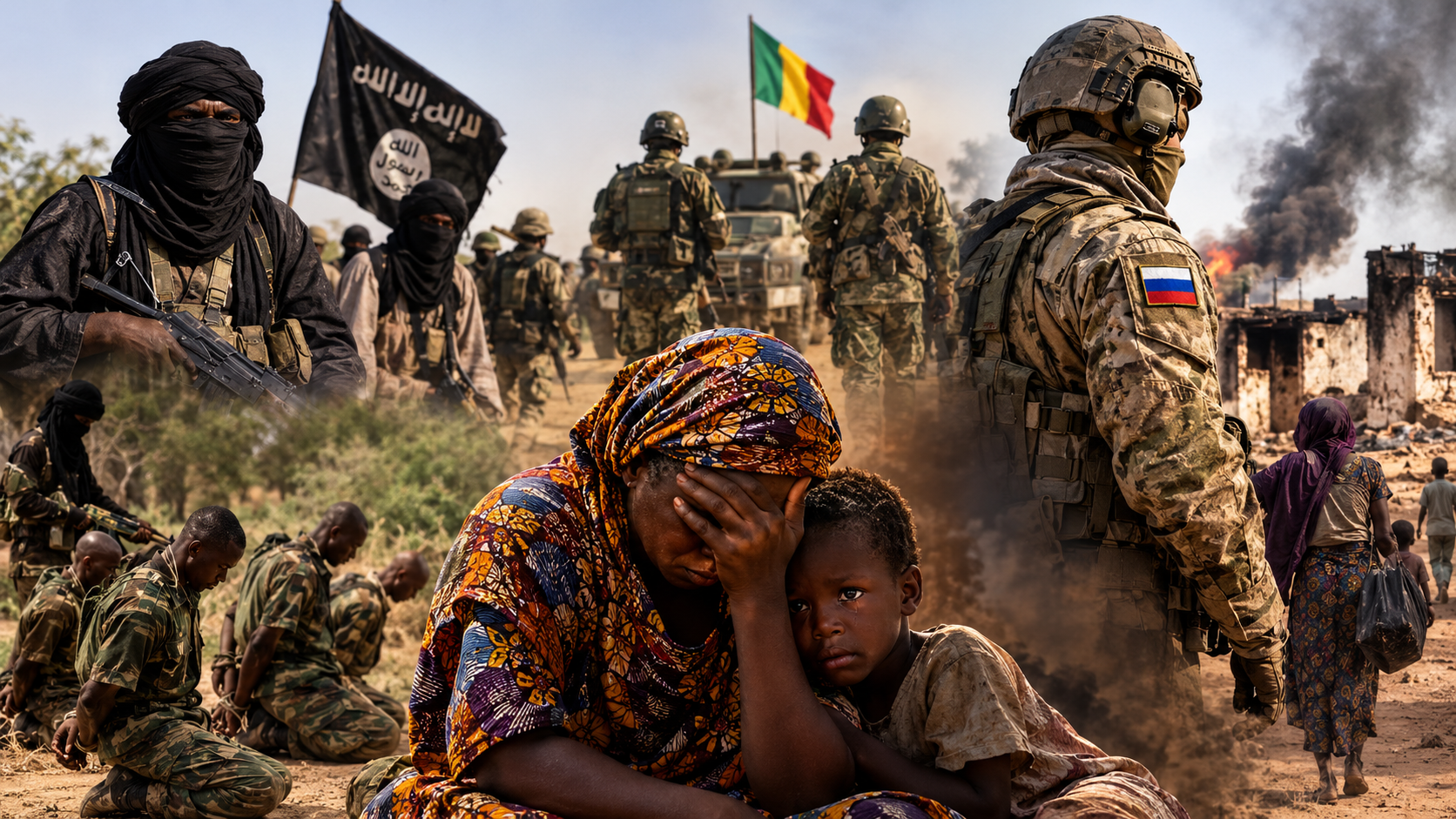
The recent surge in violence in Mali has exposed a troubling paradox: while soldiers fall victim to the brutal tactics of the Group for the Support of Islam and Muslims (JNIM), civilians are increasingly caught in the crossfire of military operations backed by foreign forces. This escalation of hostilities has intensified public scrutiny over the conduct of Mali’s military and its international partners, raising urgent questions about accountability and the protection of vulnerable communities. Military under siege: soldiers targeted while civilians bear the brunt The conflict in Mali has taken…

Read More

Niamey’s fuel crisis sparks nationwide debate over government’s handling of shortages

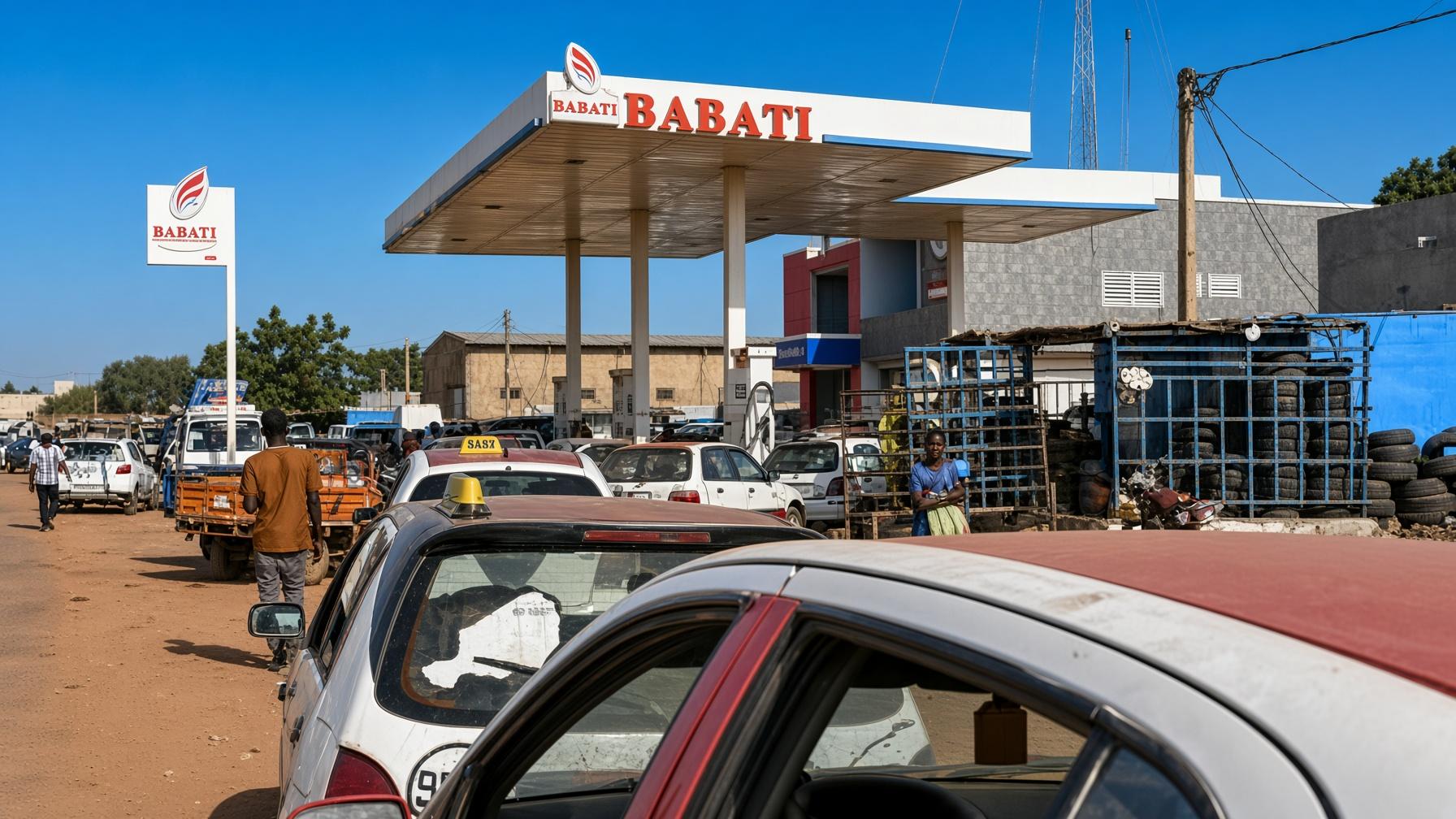
Niamey’s streets are no longer just crowded—they’re paralyzed. The Nigerien capital has become the epicenter of a burgeoning fuel crisis, where citizens now spend their days navigating a maze of empty pumps and endless queues. What began as a logistical hiccup has snowballed into a public outcry over the government’s feeble attempts to mitigate the chaos. The aftermath of this mismanagement is forcing Nigeriens to question not just the present shortage, but the future stability of their economy and trust in their leaders. From queues to chaos: how the crisis…

Read More

Central African Republic: mounting controversies over Russia’s expanding footprint

The Central African Republic stands at the center of escalating geopolitical debates as Russia’s influence continues to reshape its political and security landscape. Critics argue that Moscow’s growing presence, often linked to shadowy security arrangements, has sparked sharp public reactions and raised urgent questions about the country’s future direction. Public sentiment shifts amid Russian engagements Public opinion in the Central African Republic has become increasingly polarized, with growing skepticism about the long-term implications of Russian involvement. Debates rage over whether military cooperation has brought tangible benefits or merely entrenched external…

Read More

Cameroon’s decade-long crisis: separatist leaders accused of exploiting chaos for personal gain

Ten years on: how anglophone separatists weaponized grievances into a predatory enterprise The aftermath of Cameroon’s anglophone crisis has exposed what critics call a calculated betrayal of the people’s original demands. As the country marks a decade since the first protests in October 2016, the debate over accountability and the true motives behind the separatist insurgency has intensified, with accusations of orchestrated manipulation and systemic exploitation of the civilian population taking center stage. A decade of escalation: from legitimate grievances to armed insurrection In October 2016, demonstrations by anglophone lawyers…

Read More

Togo’s opposition rejects government dialogue, demands political transition

The Togolese government’s push for political dialogue has hit a major roadblock after four opposition groups withdrew, intensifying public debate over the country’s future. The refusal, framed around a broad coalition called the Manifeste Génération Togo, underscores deep divisions over a 2024 constitutional reform and a landmark ruling by the ECOWAS Court of Justice. Opposition unites in rejection of government-led talks On October 15, 2026, four major opposition coalitions jointly announced their refusal to participate in the government’s initiative, describing it as a “sham dialogue.” The groups—Dynamique Monseigneur Kpodzro (DMK),…

Read More

Benin’s fuel reserves spark debate amid supply shifts and public demand

Benin’s fuel reserves spark debate amid supply shifts and public demand The Beninese government has dismissed fears of a fuel shortage this week, though public frustration over long queues at service stations continues to mount. Officials attribute the congestion not to a supply crisis, but rather to a surge in demand as consumers shift from the informal market to licensed stations. Government reassures: reserves secure, but market dynamics shift Government spokesperson Wilfried Léandre Houngbédji confirmed on Sunday that Benin now holds enough fuel reserves to cover three to six months…

Read More
Uncategorized

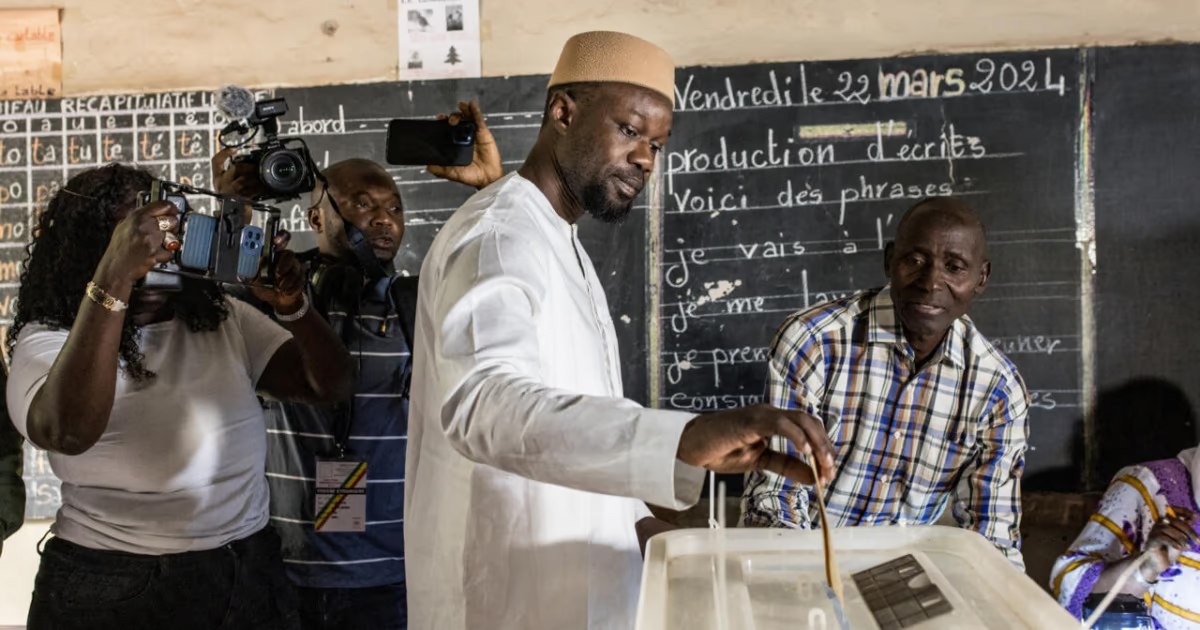
Senegal’s 2027 local elections: early candidates and the public response sparking debate

What the early candidates reveal about Senegal’s political future With the 2027 local elections in Senegal drawing closer, the first wave of declared candidates has already begun reshaping the electoral landscape. While formal candidate lists have yet to be finalized, the public declarations and party endorsements reveal emerging alliances, ideological clashes, and the evolving priorities of Senegalese voters. These early signals are not just political maneuvers—they are setting the stage for a national conversation about local governance, service delivery, and the future direction of municipalities from Dakar to Matam. Dakar’s…

Read More

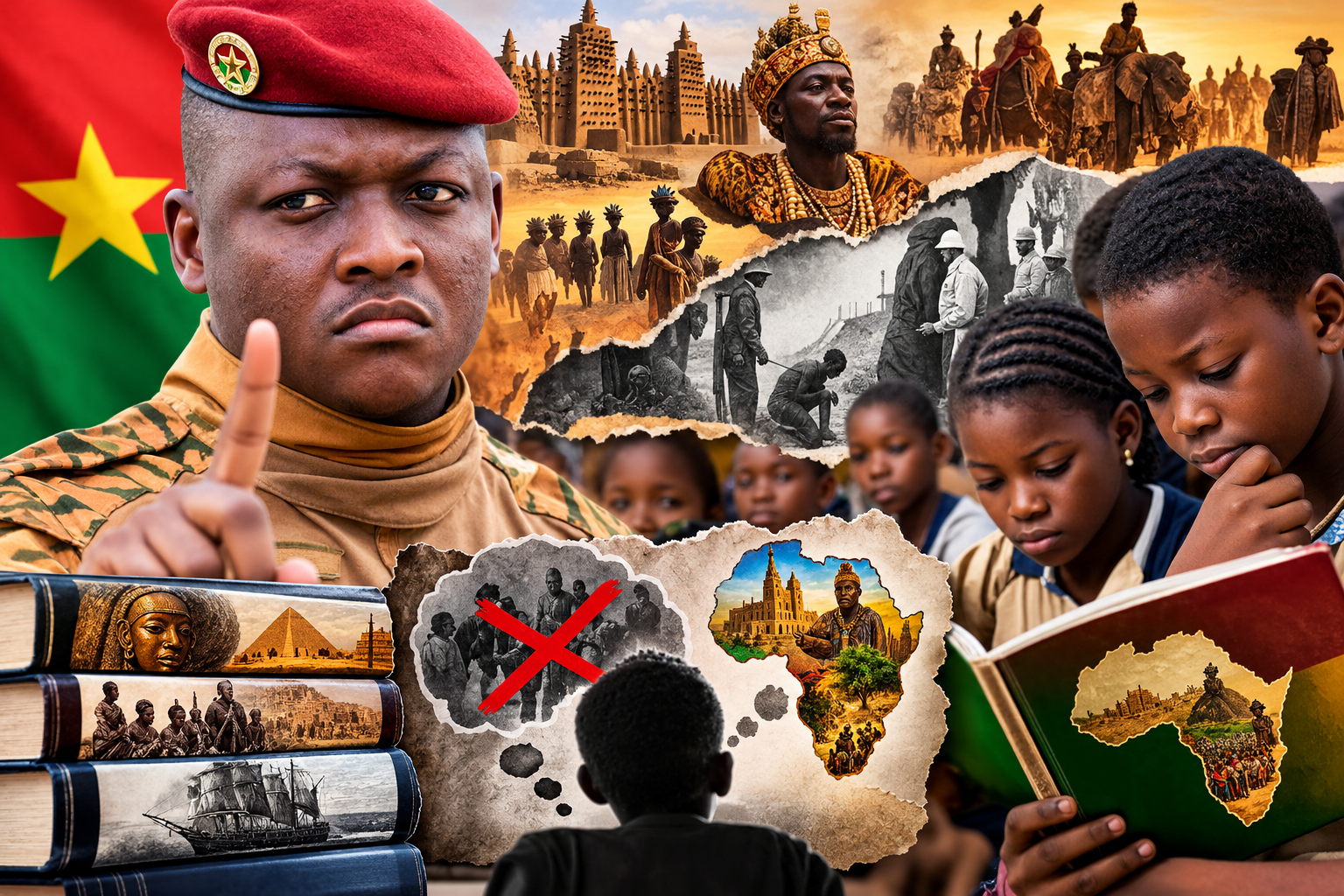
Burkina Faso’s history curriculum reform sparks debate over balanced education

Confronting colonial legacies without erasing complexity The Burkina Faso government’s push to reform history and geography curricula aimed at “decolonizing” textbooks has ignited a national debate over how the nation’s past should be taught to future generations. While the initiative addresses valid concerns about the underrepresentation of African narratives in education, it also raises critical questions: Can redefining school curricula truly correct historical injustices, or does it risk replacing one distorted lens with another? The dangers of a one-sided historical narrative are clear. History is not a monolith shaped solely…

Read More

After massive crackdown, what’s next for west african cybercrime networks

Following one of the largest coordinated takedowns in digital fraud history, the fallout from Meta’s latest operation against West African cybercrime rings is sparking intense public debate—and raising critical questions about what happens next. With over 3.7 million fraudulent accounts removed, the unprecedented crackdown has exposed deep-rooted criminal ecosystems, triggered arrests, and even saved human trafficking victims in Ghana. But as authorities hail the milestone, experts warn that this is just the beginning of a long, complex battle against a global threat that keeps evolving. How the operation unfolded and…

Read More

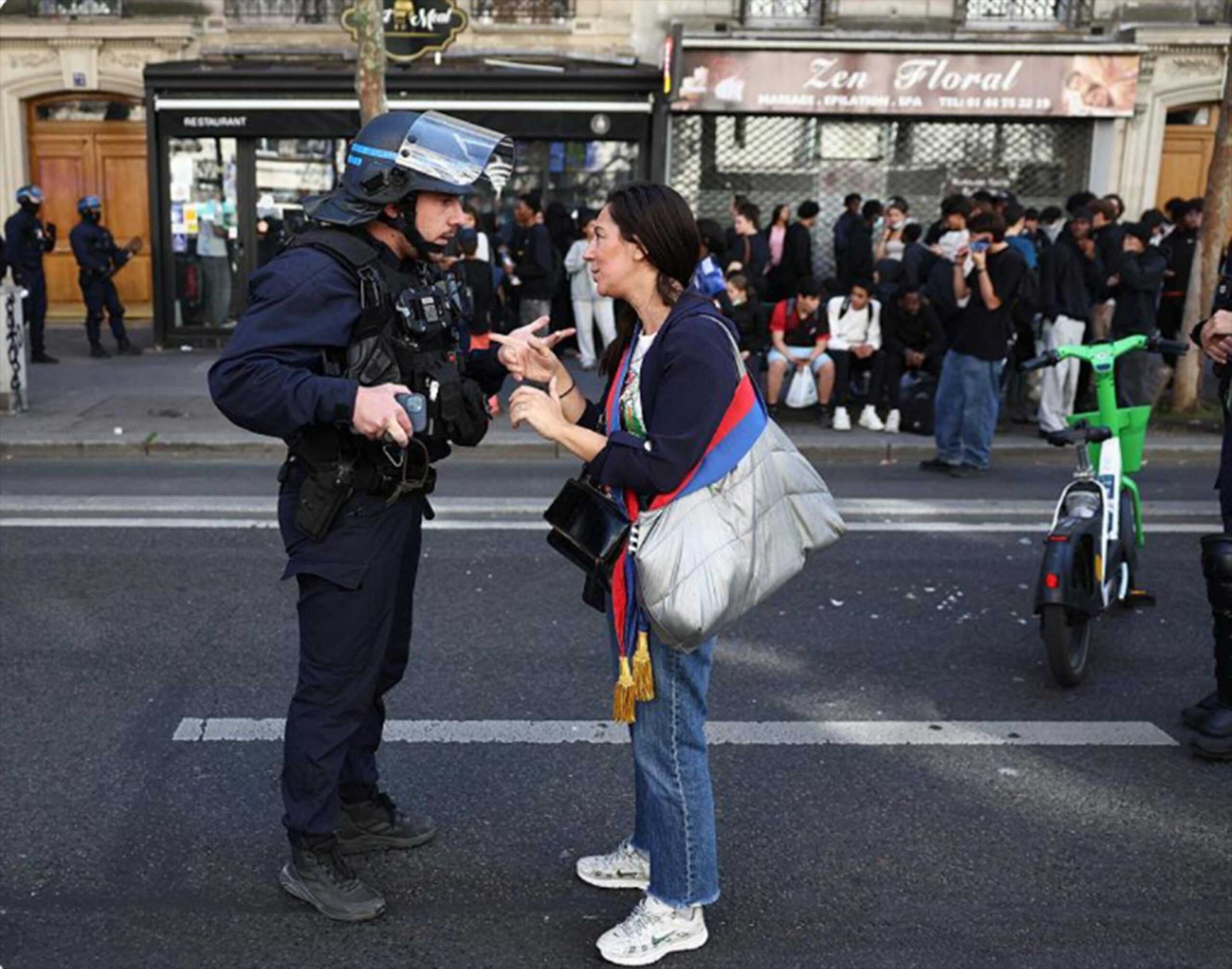
French youth protests expose deep cracks in education system ahead of 2027 vote

The streets of France are once again a battleground, this time with education at the epicenter of a growing storm. As the nation gears up for the pivotal 2027 presidential election, a wave of youth-led protests has exposed raw frustrations over crumbling school infrastructure, overcrowded classrooms, and what many young people describe as a broken promise of equal opportunity. The unrest, which began with high school students, has evolved into a broader social outcry, forcing politicians to confront uncomfortable questions about the future they’re leaving for the next generation. From…

Read More

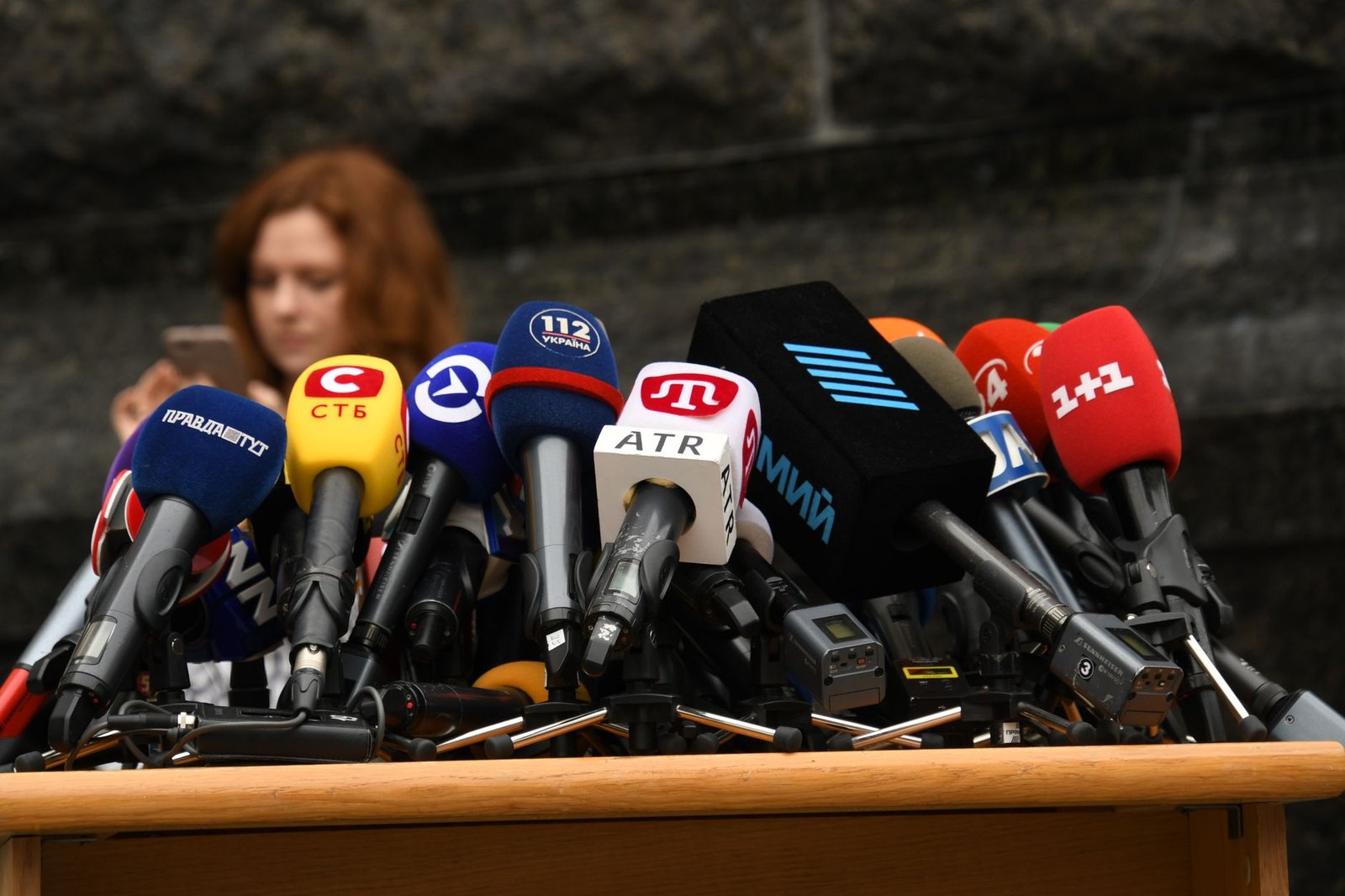
Gabon’s press card revival sparks debate over press freedom amid tight deadlines

Gabon’s press card has returned after a five-year hiatus, reigniting discussions about the future of media freedom and institutional transparency. Announced this week in Libreville, the reopening of the accreditation system offers journalists a chance to reclaim an essential professional credential. However, the abrupt five-day filing window has raised eyebrows among media professionals, who question whether such a compressed timeline can ensure fairness. Five years of administrative limbo for Gabon’s journalists The absence of an updated press card dates back to 2019, leaving journalists operating in a legal gray area.…

Read More