Senegal and Gambia renew border talks after Bullock incident
Following a recent incident in Bullock, Senegal and Gambia have reached a “definitive agreement” to clarify their shared border. Both nations plan to resume joint boundary demarcation operations in mid-August, including the installation of physical markers and community awareness campaigns. What sparked the tensions? Will this agreement resolve them permanently, or could lingering disputes persist on the ground?
Behind the Bullock incident
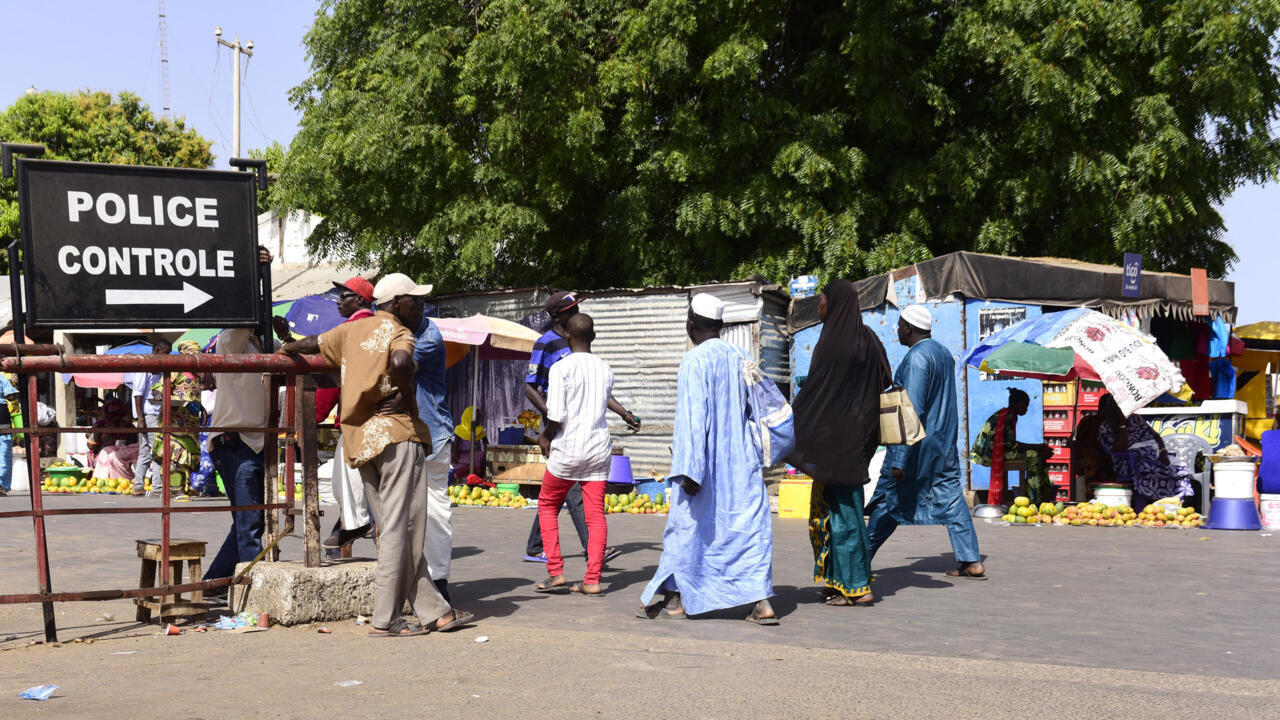
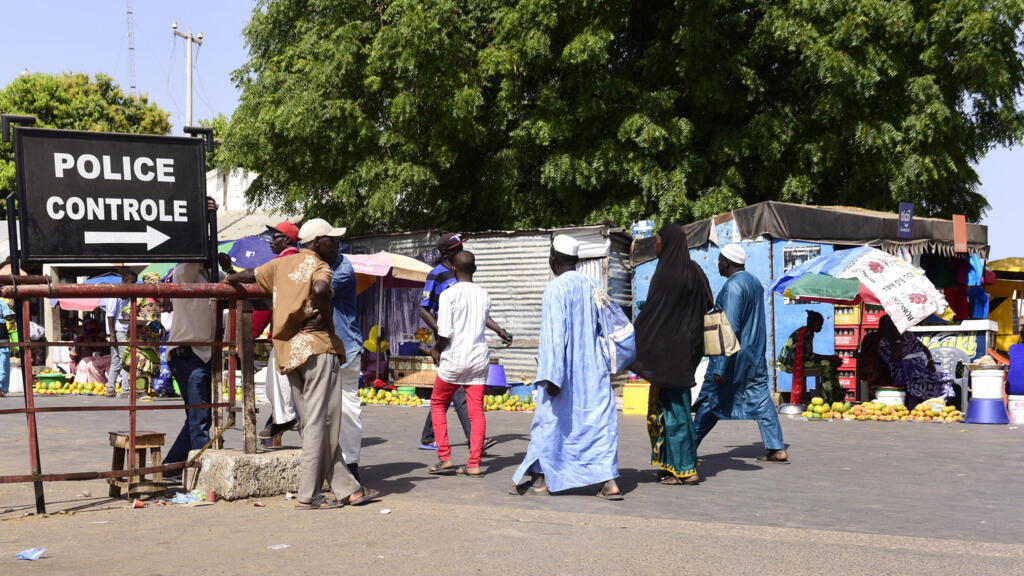
The recent tensions between Senegal and Gambia trace back to an altercation in Bullock, a border area where communities on both sides have long navigated overlapping claims. While the specifics of the incident remain under review, it served as a catalyst for both governments to revisit long-standing boundary disputes that had simmered for years.
What’s next for the border?
The newly signed agreement outlines a clear roadmap for joint operations. Starting in mid-August, teams from both nations will collaborate to install physical boundary markers and conduct sensitization campaigns for border communities. These efforts aim to provide clarity and reduce friction, but uncertainties remain about how effectively the new markers will be accepted by local populations.
Can this agreement last?
While the agreement signals a step forward, historical border disputes often resurface when local communities feel their livelihoods are at stake. Whether this initiative resolves tensions permanently will depend on sustained cooperation, transparent communication, and addressing the concerns of those directly affected by the border.