The standoff that almost derailed Senegal’s budget revision
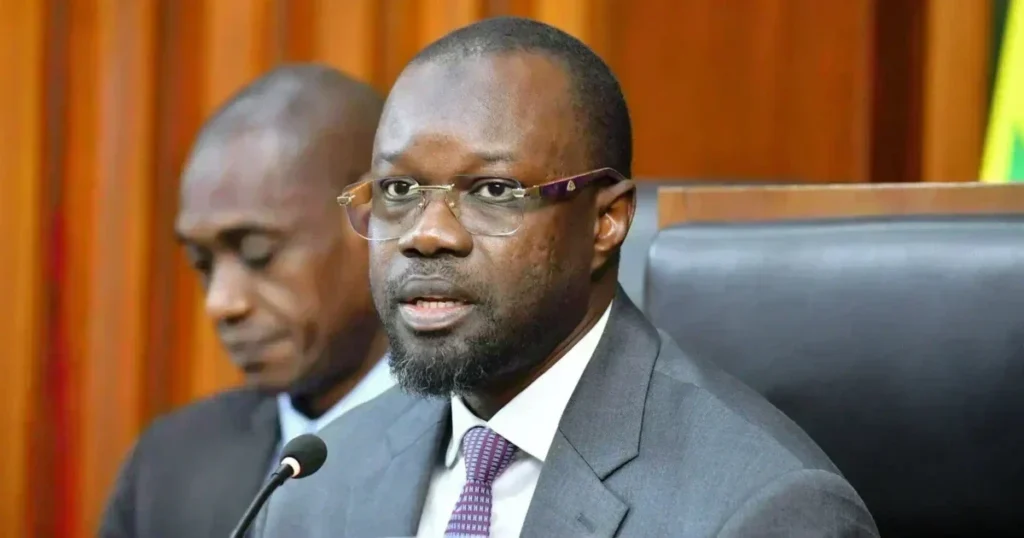
For days, the fate of Senegal’s 2026 revised finance bill hung in the balance. A deadline set by the Prime Minister’s office came and went. Accusations flew. And the President of the National Assembly, Ousmane Sonko, publicly declared he had received no notification of the text. The question on everyone’s mind: would the government miss its own budget timetable, or would the bill finally arrive?
On Friday, September 18, 2026, the National Assembly announced it had received the draft revised finance bill (LFR) for 2026. According to the parliamentary institution, the text was formally delivered to its General Secretariat that afternoon, along with the President’s transmission letter and the decree ordering its presentation to lawmakers. The wait was over — but the three-day delay had already raised serious questions about the government’s ability to stick to its fiscal calendar.
What exactly happened with the transmission?
The deposit ended several days of uncertainty surrounding the budget schedule set by the Prime Minister’s office. Prime Minister Ahmadou Al Aminou Lô had instructed the Minister of Economy, Finance and Planning, Cheikh Diba, back on September 10 during a Council of Ministers meeting, to ensure the text reached the National Assembly by September 15 at the latest. That deadline was not met. A controversy erupted over a possible blockage, with National Assembly President Ousmane Sonko himself stating that same Friday that he had received no notification of the text until then. The parliamentary press release confirmed that the transmission did eventually take place — three days late.
The presidential decree and a fresh start
The presidential decree attached to the transmission, Decree No. 2026-1645, specifies that the bill will be presented to the National Assembly by the Minister of Economy, Finance and Planning, who is also responsible for outlining its motives and supporting the discussion before the deputies. This text repeals and replaces a previous decree, No. 2026-1236 of June 29, 2026, which already concerned the presentation of the same revised finance bill — a sign that the procedure had to be restarted from scratch. The decree also tasks the Minister of Economy and the Minister of Communication and Relations with Institutions with ensuring, each in their own capacity, the execution of the text, which will be published in the Official Journal. It was signed in Dakar on September 18 by President Bassirou Diomaye Faye, with the countersignature of the Prime Minister.
What happens next for the 2026 budget?
The deposit now opens the way for the examination of the 2026 revised finance bill by the deputies, a particularly closely watched step in a context of public finance recovery and commitments made by Senegal to its international partners. The Prime Minister’s budget calendar also includes the examination of the initial finance bill for 2027 in the Council of Ministers by the end of September — a deadline whose respect will be scrutinized even more closely after this episode.