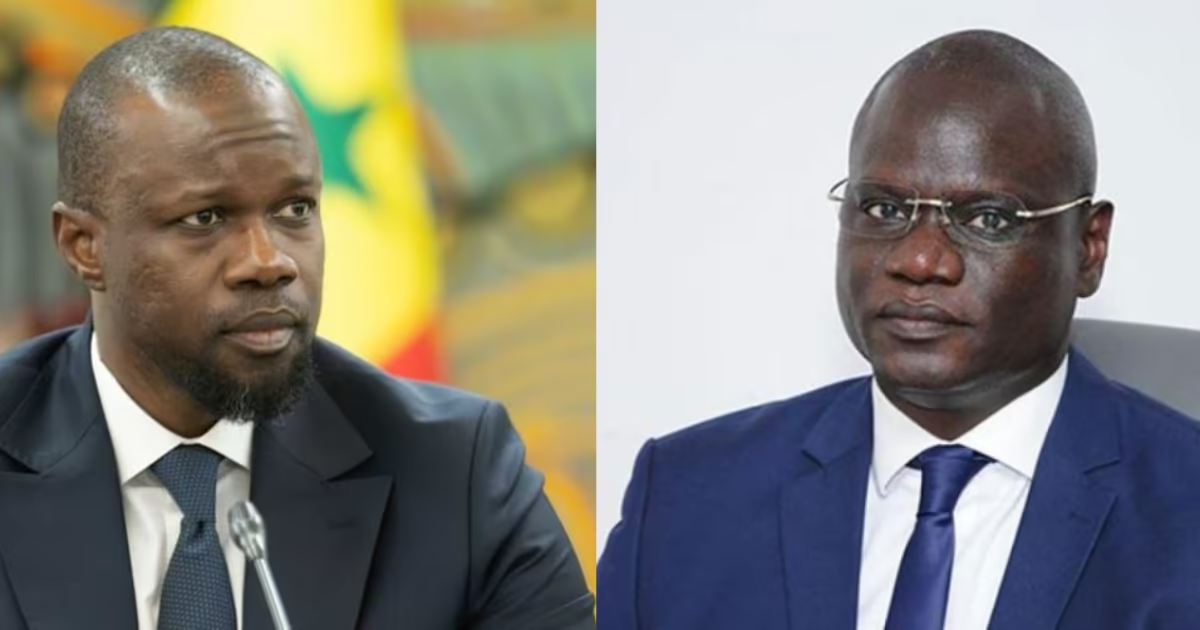
The Higher Education portfolio has undergone significant turnover in recent years, with Abdourahmane Diouf, Daouda Ngom, and Boubacar Camara successively holding the position—Camara has been in office since June 1, 2026.
Political storm brewing over university laptop program
Among the six parliamentary inquiry commissions slated for discussion during the extraordinary Assembly session on August 10, 2026, one stands out: an investigation into alleged irregularities in the procurement and execution of the “One Student, One Laptop” program. Managed by the Ministry of Higher Education, Research, and Innovation since 2017, the initiative represents a cumulative financial commitment of approximately 48 billion CFA francs. A pressing question emerges: is this inquiry, whether intentionally or not, targeting former minister Abdourahmane Diouf?
A long-simmering controversy
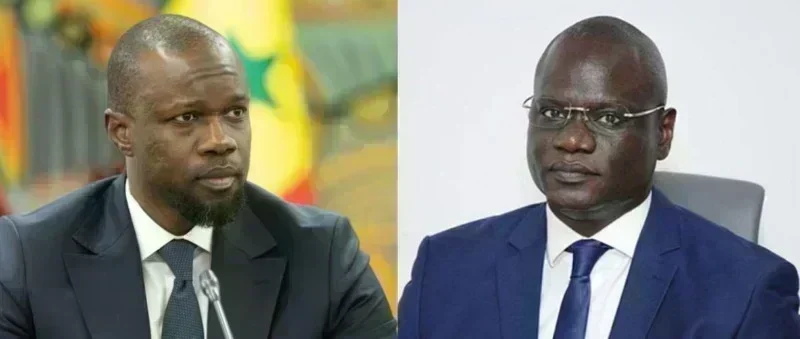
The current investigation has deep roots. As early as November 8, 2025, then-Prime Minister Ousmane Sonko publicly flagged irregularities in higher education program management, specifically implicating the administration led by Abdourahmane Diouf. Diouf responded by challenging lawmakers to establish a parliamentary inquiry commission to fully investigate these issues—including the construction of five university complexes—while acknowledging shared responsibility with the Prime Minister.
However, the Higher Education Ministry has seen three ministers in the past two years alone: Abdourahmane Diouf first, followed by Daouda Ngom, and currently Boubacar Camara. The inquiry spans 2017 to 2026—a decade of program management that potentially implicates multiple ministers and technical directors, though no individuals are named in the official decree.
Clashing political trajectories fuel speculation
The inquiry arrives against a backdrop of escalating political tensions between Sonko and Diouf. Once a leading figure in the Awalé party and a key ally within the ruling coalition, Diouf later joined Kiiraay – Les Patriotes républicains, the president’s new party, marking a definitive break with Pastef and its leader. This political realignment has fueled speculation among observers that the inquiry may serve as a veiled attempt to settle scores.
The official convocation document for the extraordinary session does not explicitly mention Abdourahmane Diouf by name. The commission’s mandate covers the entire 2017–2026 period, encompassing nearly a decade of program oversight across multiple administrations. While the timing of the inquiry coincides with Diouf’s departure from the presidential camp and his subsequent alignment with Kiiraay, no concrete evidence currently suggests that Sonko is specifically targeting his former colleague through this parliamentary procedure. Only the commission’s findings, once published, will reveal the true extent of responsibilities in managing the 48 billion CFA franc program.