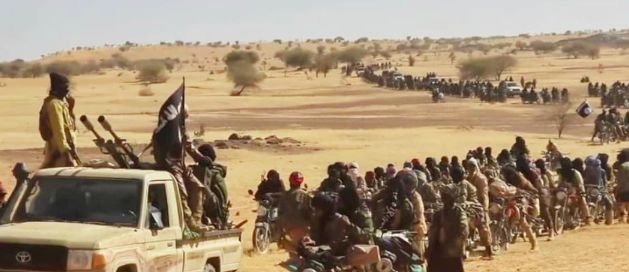
The United Nations has raised the alarm over the growing threat posed by the Islamic State (ISIS) in Africa, particularly in the Sahel and the Lake Chad Basin, where the group has established strongholds despite setbacks in its central leadership.
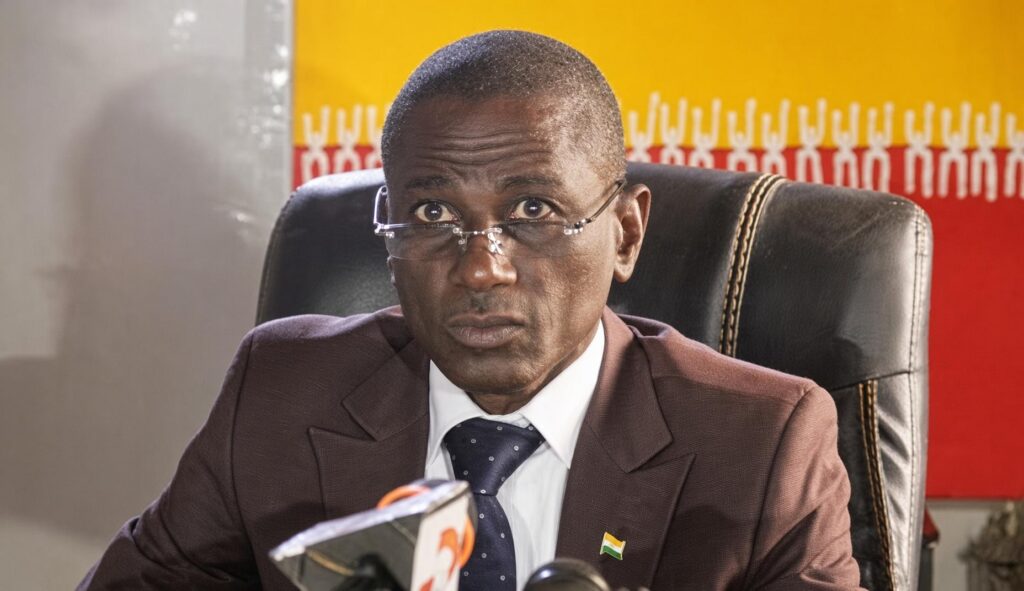
In a detailed report submitted to the UN Security Council, Secretary-General António Guterres underscored that terrorism risks remain alarmingly high in these regions, as ISIS affiliates continue to expand their operations. The assessment, presented by Oguljeren Niyazberdiyeva of the UN Office of Counter-Terrorism (UNOCT), highlights the Sahel and Lake Chad Basin as critical zones of ISIS expansion.
The report identifies the Islamic State’s West Africa Province (ISWAP) as the group’s most active affiliate worldwide. It notes that ISWAP is enhancing its military capabilities, increasingly deploying commercial drones for surveillance and offensive operations. The document also warns that despite regional and international counter-terrorism efforts, ISIS-affiliated factions in the Democratic Republic of the Congo (DRC) and Mozambique persist in carrying out attacks, recruiting fighters, and strengthening local networks.
Oguljeren Niyazberdiyeva emphasized that ISIS has adapted to survive military campaigns, transforming into a decentralized network of regional branches. This shift allows the group to exploit local weaknesses, prolonged conflicts, and economic instability to deepen its presence.
The UN report also highlights ISIS’s growing reliance on advanced technologies, including artificial intelligence, encrypted communications, digital platforms, cryptocurrencies, and drone technology. These tools are being used to refine propaganda, recruitment, financing, and attack planning. The UN stresses the urgent need for stronger international cooperation and collaboration with tech companies to regulate these emerging technologies effectively.
However, the report acknowledges that when used responsibly and within the bounds of international law, these same technologies can serve as powerful instruments in the fight against terrorism.
ISIS’s evolving strategy in Africa
Despite sustained military pressure that has weakened ISIS’s central command, the group’s regional affiliates have gained greater operational autonomy. This evolution enables them to adapt quickly to local conditions, ensuring their survival and continued growth. The UN warns that ISIS is leveraging institutional fragilities, ongoing conflicts, and economic hardships to expand its influence across the continent.
The role of technology in terrorism and counter-terrorism
The increasing use of drones, AI, and digital platforms by ISIS underscores the dual nature of modern technology. While these tools empower terrorist groups to enhance their operations, they also offer opportunities for more effective counter-terrorism measures when deployed responsibly. The UN calls for a balanced approach that leverages technology to disrupt terrorist networks while safeguarding human rights and adhering to legal frameworks.