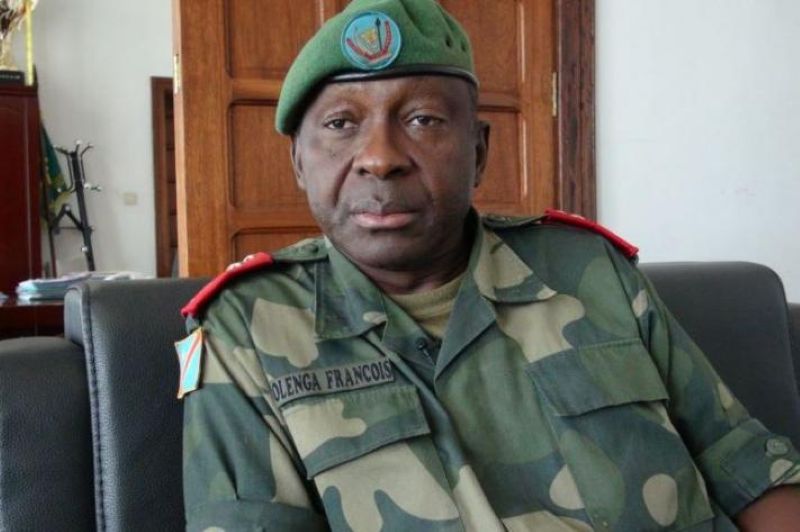
Can a Congolese general really walk away from nine years of US sanctions unscathed? What happens when a man who spent nearly a decade on America’s financial blacklist suddenly finds the door reopened? That is the question now facing Kinshasa after the US Treasury Department’s Office of Foreign Assets Control (OFAC) formally removed retired four-star General François Olenga Tete and his Safari Club from its sanctions list. The decision, confirmed in a notification to his legal team, ends a nine-year freeze that had barred him from any dealings with US…
Read MoreMonth: September 2026
Hormuz: strike a seven-day deal with Tehran, or risk a global energy meltdown?
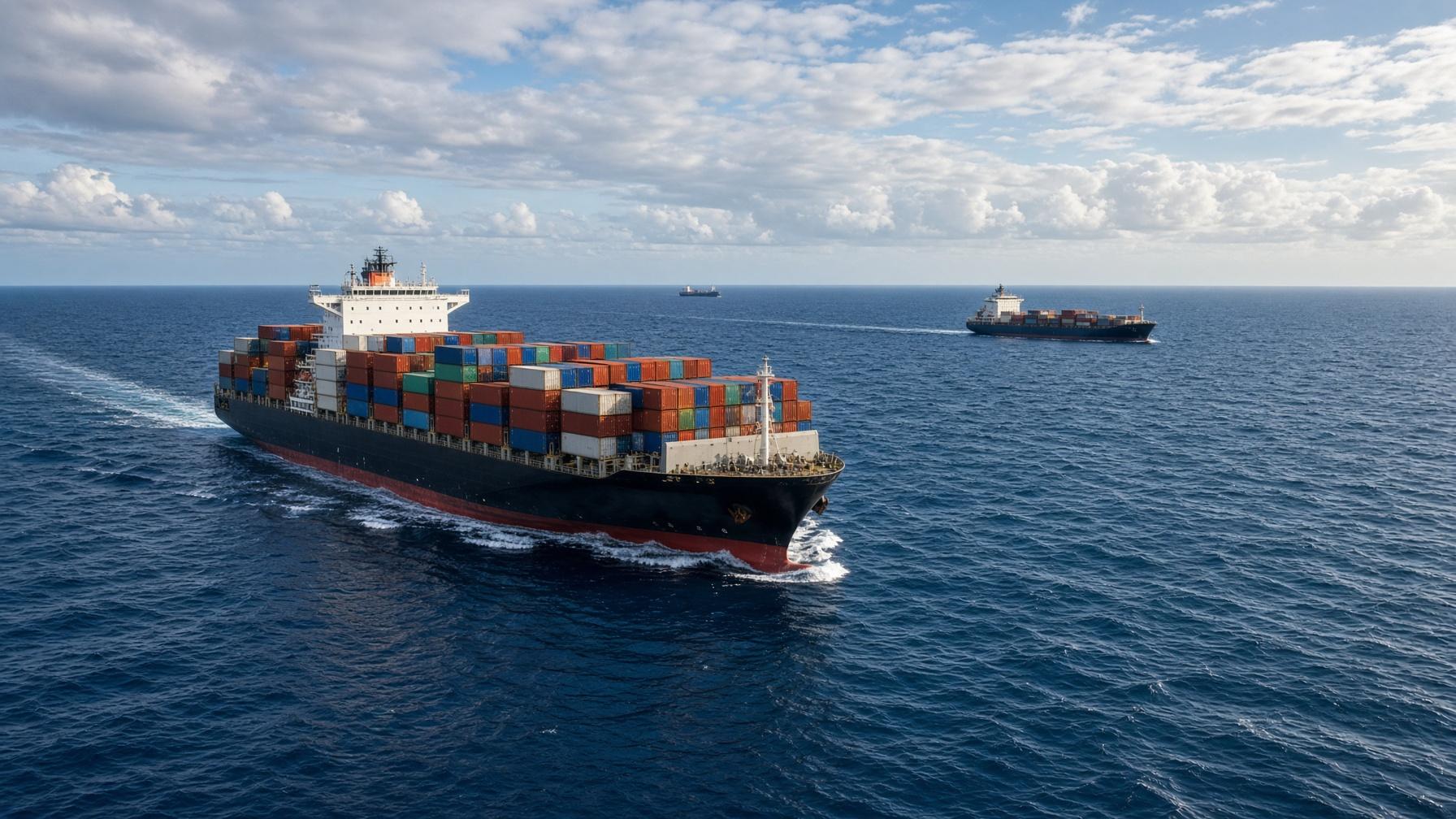
Can seven days of diplomacy undo a blockade that has sent shockwaves through the global economy? That is the question now dominating the corridors of the United Nations headquarters in New York, where Iran’s top diplomat announced he had handed Washington a concrete plan to restore shipping through the strait of Hormuz within a week. Speaking before a crowd of foreign correspondents, Iranian foreign minister Abbas Araghchi said the offer had been formally passed to the American envoy Steve Witkoff on Tuesday. His message was blunt: the decision now belongs…
Read MoreCan Senegal’s elections truly reflect the people’s will? The case for a bold electoral overhaul
Is Senegal’s current electoral system capable of delivering a National Assembly that genuinely mirrors the votes cast by its citizens? That is the pressing question at the heart of a new contribution by Khalidou dit Mbaye Sokoma, president of the Mouvement Patriotique pour un Développement Durable (MPPD) / AND DEFAR SUNU REEW. In a detailed proposal, he argues that the country’s hybrid voting mechanisms fall short of true democratic representation and calls for a far-reaching national conversation on how lawmakers are elected. The limits of the current hybrid system Senegal’s…
Read MoreHow much does sovereignty cost? The 8,731.5 billion FCFA debt question Burkina Faso must answer
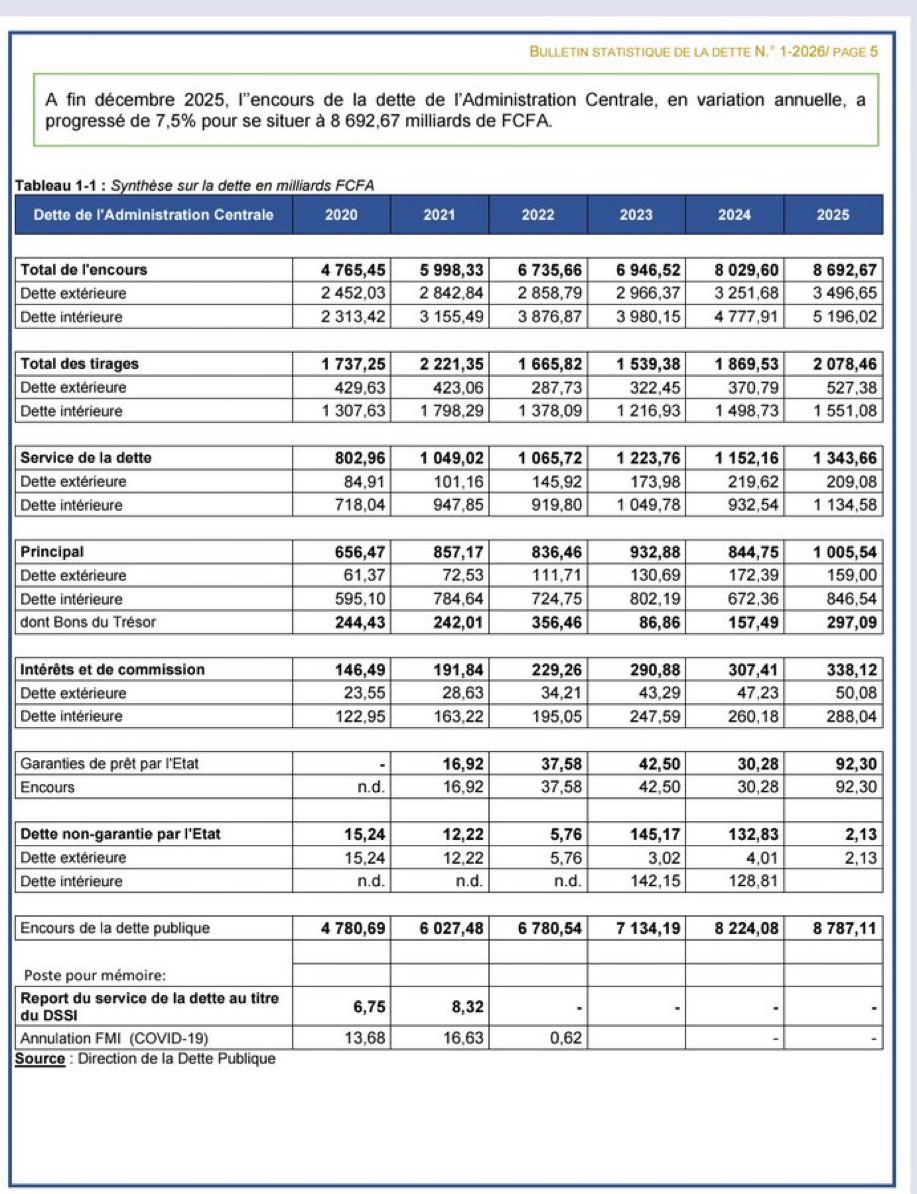
Can an administration that has built its political identity on rejecting dependence explain a public debt that has swelled by close to 4,000 billion FCFA in a little over five years? That is the awkward question now confronting Burkina Faso’s authorities, and it sits at the centre of the country’s economic debate. Ibrahim Traoré has made self-reliance a founding element of his message. He states repeatedly that Burkina Faso must count on its own strength, and that the country does not need to borrow in order to construct its development.…
Read MoreWhat will decide whether Benin’s new forensic policing can truly weaken terror networks?
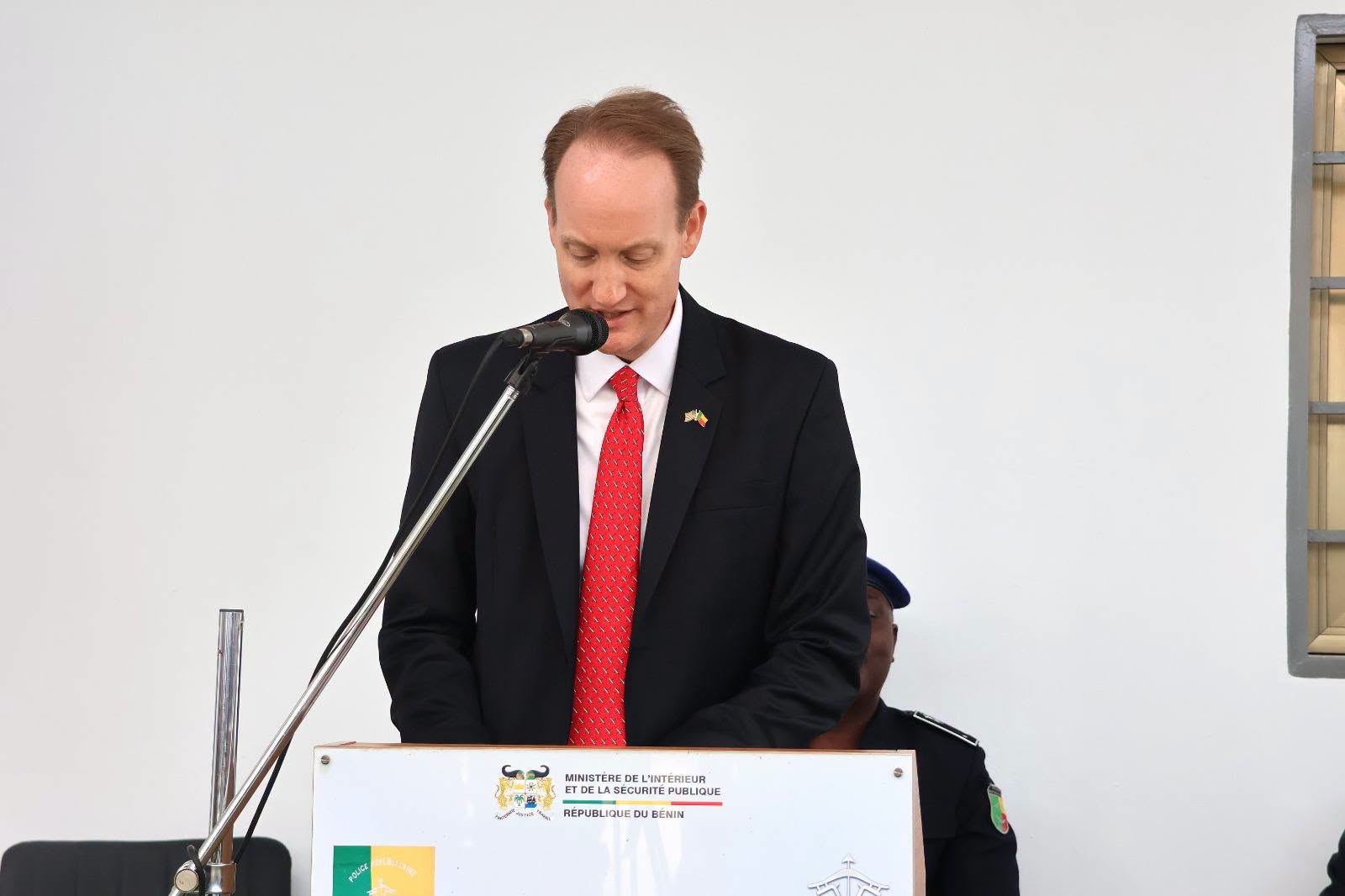
Can Benin’s Republican Police turn a new generation of investigation tools into a real deterrent against terrorism, or will armed groups and cross-border criminal networks keep adapting faster? That is the strategic question behind the government’s latest push to strengthen the country’s internal security forces. With persistent risks along Benin’s northern borders, where transnational crime networks constantly change their methods, Cotonou has taken a decisive step. Fully renovated facilities have been handed back to the Republican Police, together with advanced investigation equipment. The goal is clear: link tighter territorial security…
Read MoreCan one Ivorian jurist’s three-decade push really transform West Africa’s business law?
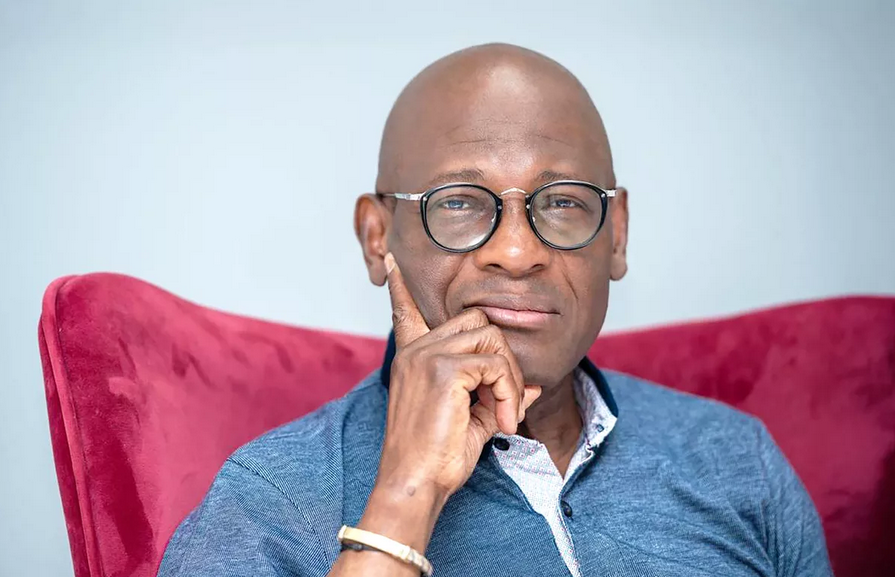
Some legal careers are measured not by titles but by the institutional footprints they leave behind. Bakari Traoré, an Ivorian business lawyer and tax specialist, has spent thirty years quietly laying the groundwork for West Africa’s commercial legal framework — a contribution whose scale raises a critical question: can a single jurist’s persistence truly reshape how an entire region does business? The overlooked flaw that sparked a regional overhaul In the late 1990s, Traoré — a doctor of business and economic law — alerted his minister to a glaring problem:…
Read MoreDoes Algeria hold the key to Benin’s northern security dilemma?
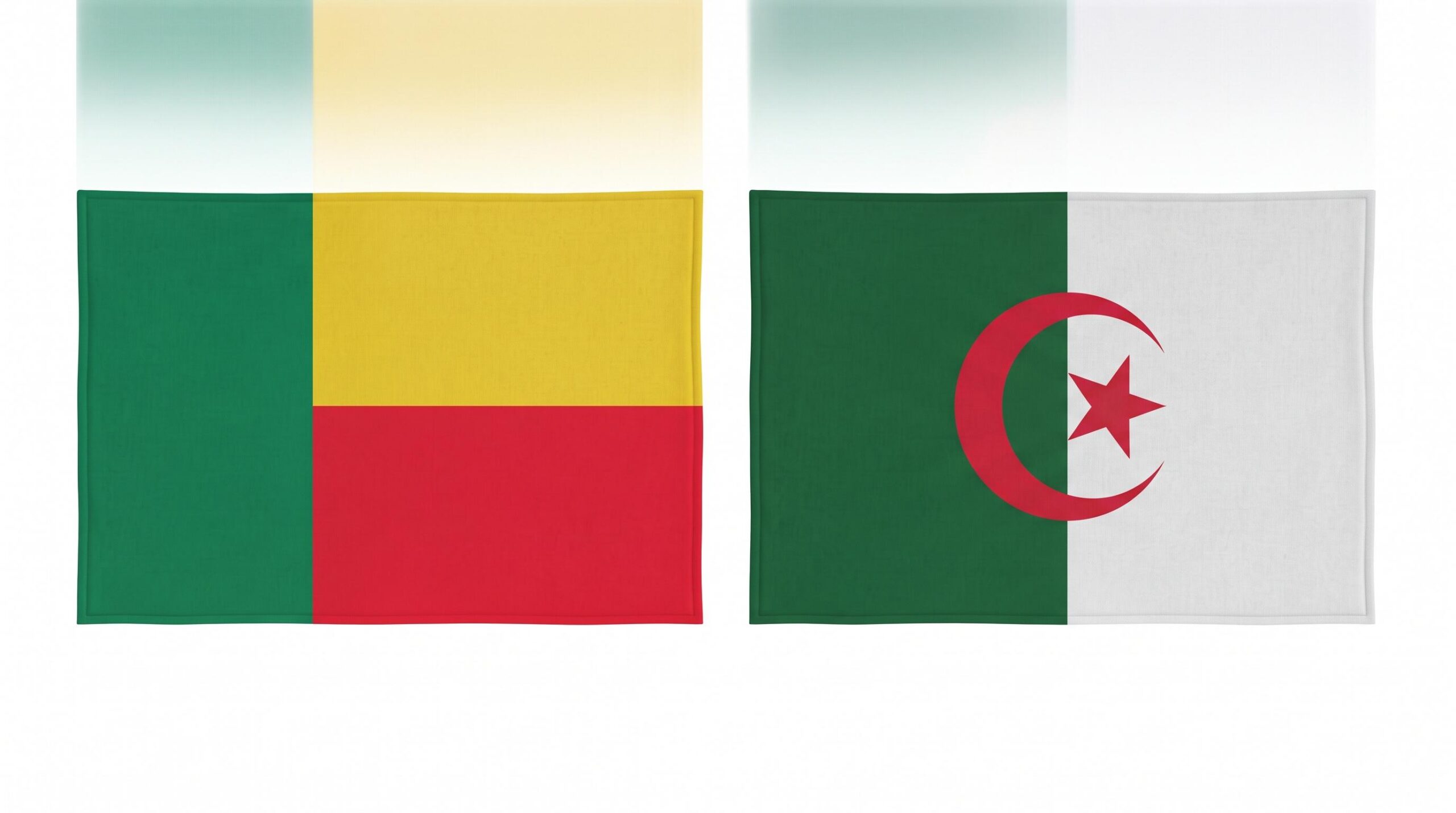
As West Africa’s geopolitical map keeps shifting, Benin faces a troubling question: can a fresh defense partnership with Algeria meaningfully blunt the Sahel’s spreading extremist threat, or is Cotonou overestimating what a distant ally can deliver? The stakes were on full display during a meeting at the Ministry of National Defense, where Beninese officials received a high-level diplomatic and military delegation from the People’s Democratic Republic of Algeria. That encounter did more than exchange pleasantries — it moved a bilateral strategic defense partnership closer to reality. Why Cotonou is betting…
Read MoreBurkina Faso’s army: was it really undertrained, or is today’s strategy the real failure?
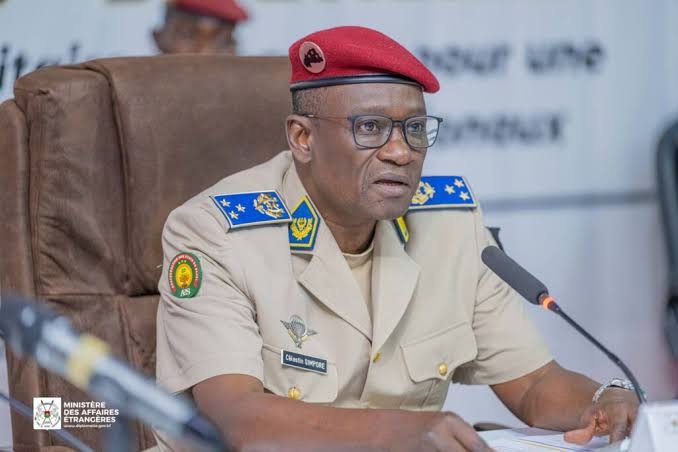
It was supposed to be a routine television appearance, a chance to celebrate the security record of Captain Ibrahim Traoré’s government. Instead, Defence Minister General Célestin Simporé turned it into something far more revealing. To explain why the fight against armed groups keeps deteriorating, he reached for a single argument: the Burkinabè army, he said, was historically “poorly trained”. The claim may have been designed to deflect blame, but it has ignited a far more uncomfortable question across Burkina Faso — if yesterday’s supposedly deficient force managed to contain the…
Read MoreCan Gabon turn 1,473 dismissed absentees into 11 billion CFA francs of public value?
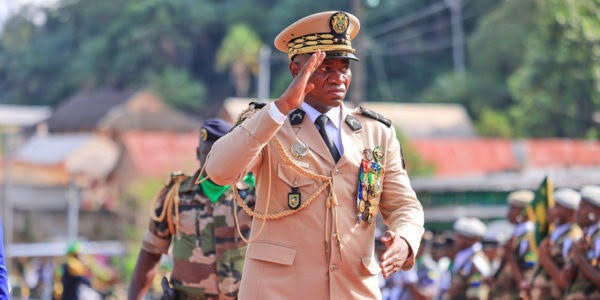
Gabon’s decision to dismiss more than 1,400 public employees for abandoning their posts raises a blunt question: will the 11 billion CFA francs saved each year actually be turned into better hospitals, schools and public services — or will the old habits quietly return? The answer will shape how citizens judge the transitional authorities’ promise to clean up public spending. Inside the audit that removed 1,473 absent workers The government did not act on a hunch. A sweeping accounting and biometric review ordered by the transitional authorities was designed to…
Read MoreWhat is at stake as Burkina Faso ties NGO funding to an 80% field-spending threshold?
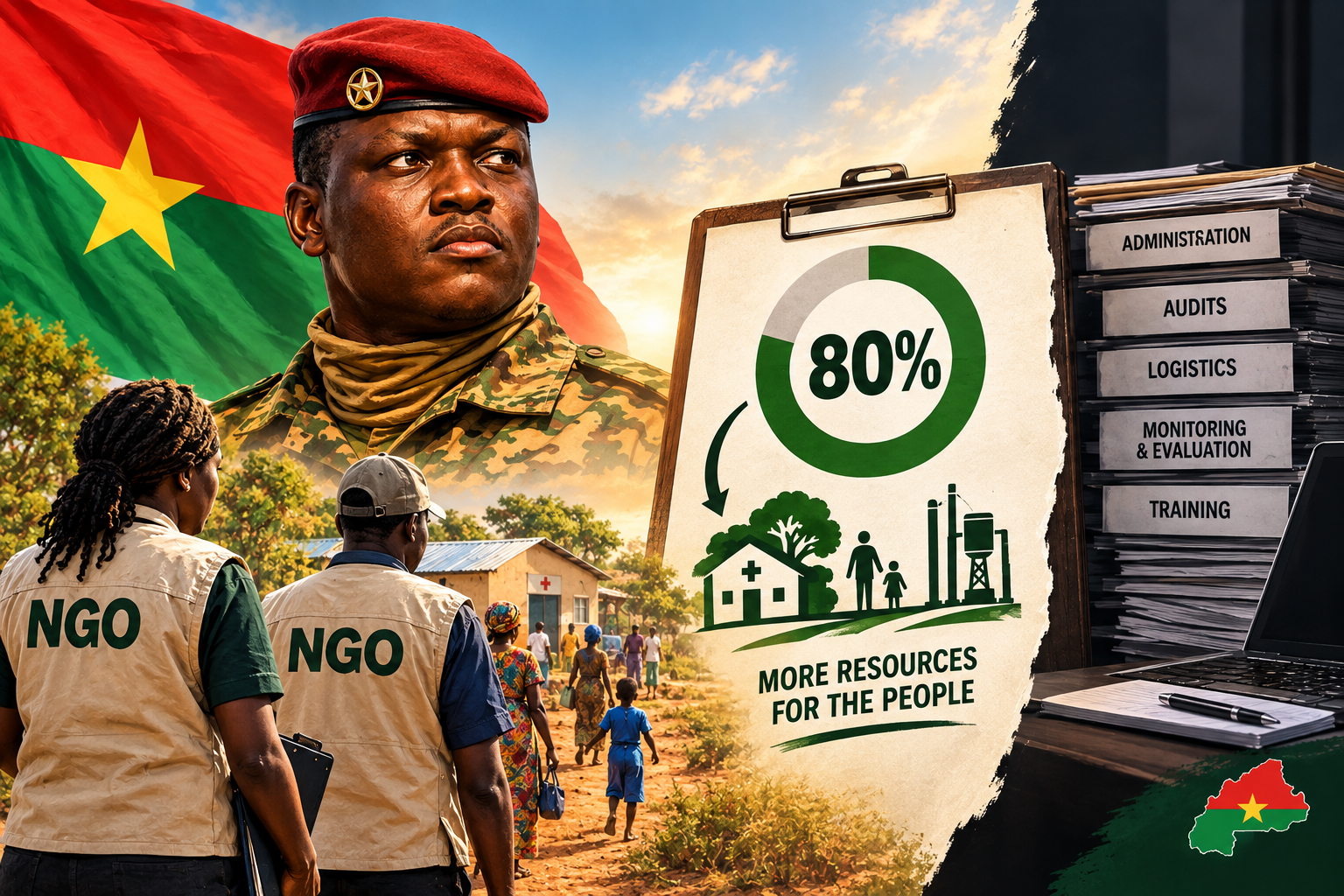
The authorities in Burkina Faso have entrusted a single figure with a considerable responsibility. Under the regulation adopted on 24 September 2026 during the presidency of Captain Ibrahim Traoré, non-governmental organisations are now required to direct at least 80% of their resources towards direct investment in the field. The measure is presented as a tool for transparency and efficiency: fewer administrative costs, and more money reaching the communities that need it. Yet the stakes extend well beyond the arithmetic. Can a fixed percentage genuinely improve the way aid is delivered,…
Read MoreBenin’s startup funding lead: a genuine strategic shift or a passing anomaly?
Can a small West African economy genuinely out-rank Egypt and Morocco when it comes to money raised by its startups — and, more importantly, can it stay there? That is the uncomfortable question now facing founders, fund managers and policymakers after Benin climbed to the top of the continent’s venture capital table in terms of capital captured by its young companies. A position that would have sounded far-fetched only a few years ago now demands a serious answer, because the stakes go well beyond a single quarter of deal-making. Why…
Read MoreGabon at the UN: does Tassyla-Ye-Doumbeneny’s vice-presidency deliver real leverage?
Gabon has entered the 81st United Nations General Assembly, underway in New York since 22 September, carrying a fresh institutional responsibility. Elected in June as a vice-president of the Assembly, Libreville is marking its debut on the General Committee of the UN’s principal deliberative body. That upgraded status adds weight to Gabon’s presence in New York. It comes as Libreville works to deepen its multilateral engagement and advance its priorities on major global issues. Marie-Édith Tassyla-Ye-Doumbeneny is leading the Gabonese delegation in this context, raising a key question: can this…
Read More